Cosmetology School Costs: Tuition Is Just the Opening Bid
Programs range from about $5,000 to $25,000 in tuition alone, but the real bill adds tools, fees, and living costs, and most of the price data here comes from schools with a stake in the answer.
 By AnselmRoarke ·

Cosmetology school usually costs somewhere between $5,000 and $25,000, and the number on the brochure is rarely the number you pay. Barber school is murkier, because the sources behind this guide mostly price cosmetology. Treat everything below as a general range. Costs vary by state, school and situation.
Tuition is the number they print in large type. The tools, the books and the exam fees are the ones you discover later.
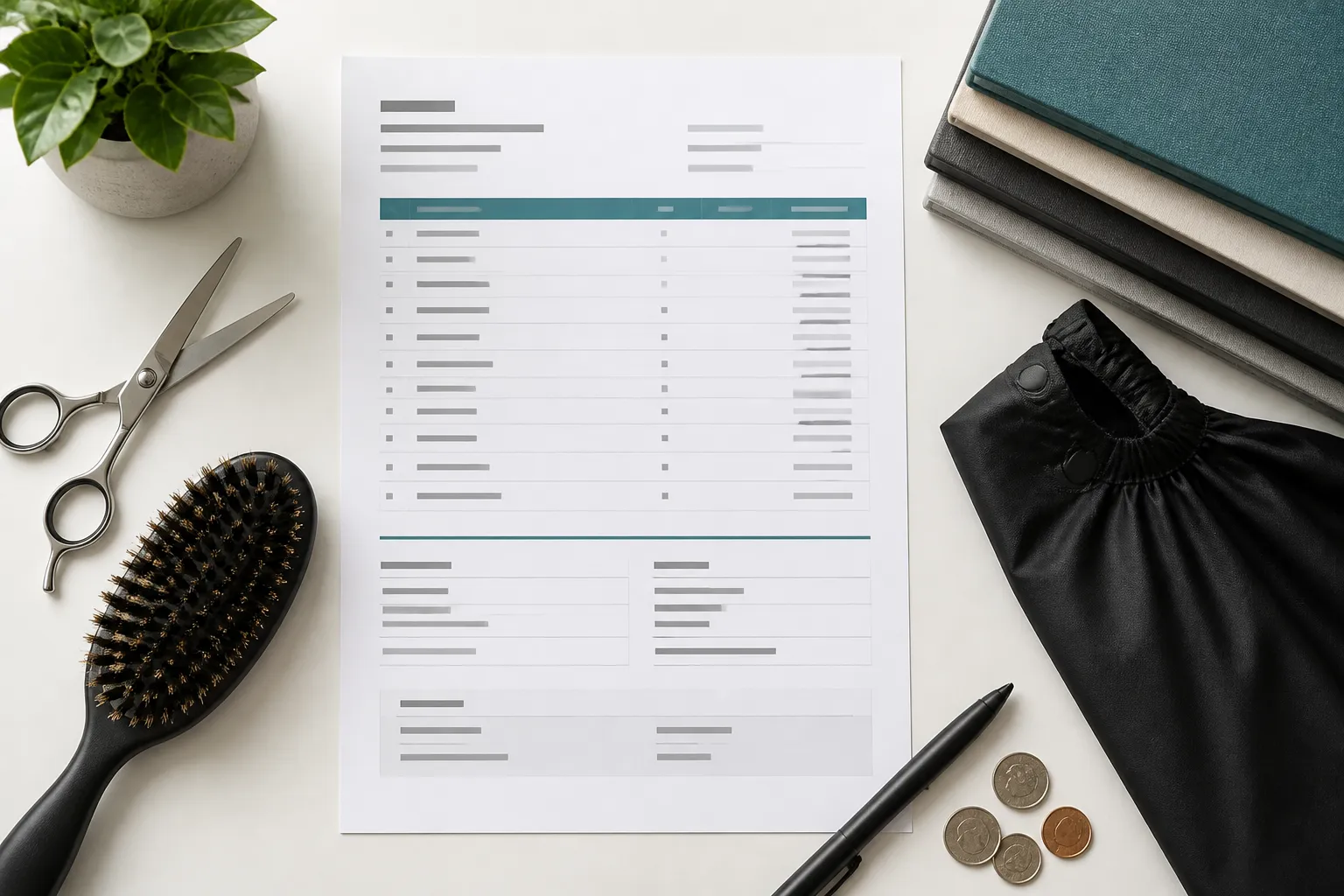
What cosmetology school typically costs
The short version: most programs come in under $20,000. Community colleges are usually the cheapest door in, with full programs commonly estimated at about $5,000 to $10,000 in 2026. Private beauty schools run higher, roughly $15,000 to $25,000 for the same period.
Federal data from 2019-2020 shows how wide the gap gets. Reported tuition ran from about $4,887 at a Tennessee technical college to about $24,474 at a brand-affiliated school in Los Angeles. Same license at the end. Five times the price at the start. Big-city, brand-name academies tend to sit at the top, and rural community colleges tend to sit at the bottom.
Those figures come from school and industry publications and older federal data. Call and get the current price in writing.
Costs beyond tuition
Tuition is usually the largest line, but it is not the only one. Students commonly pay for a tool kit, textbooks, uniforms, and state board or licensing fees. Living expenses during the program count too. The sources mention them but put no numbers on them, so you will have to price your own rent and groceries.
Trade schools bill differently from universities, which means the full cost of attendance matters more than the headline rate. Ask for a written list of every charge. Then compare schools on the total, not the pitch.
How trade programs track hours and aid
Cosmetology and barber programs generally count clock hours, not college credits. Your state licensing rules set the required total, so the hours you need depend on where you plan to be licensed. The training is mostly hands-on and typically covers hair, skin and nails.
Here is the catch. Missed class time stops the hour count. That can push back your completion date and may delay financial aid payouts, which are often tied to hours earned. Ask how attendance is tracked and what a missed week does to your timeline and your aid. A vague answer is an answer.
Paying for school
Aid can come from federal and state governments, from schools, and from professional or private organizations. Grants and scholarships exist in some cases. Other sources sometimes named include state workforce support, VA education benefits, 529 plans and federal tax credits. Eligibility depends on your location and student status.
Federal aid has a gate. The school generally has to be accredited and take part in Title IV programs. It should have an active Federal School Code, and the specific track you pick must be aid-eligible. Do not assume. Confirm with the school and with official government sources before you count on federal money.
How to choose and what to ask
Start with school type and location, since community colleges and private schools differ in price and format. Then look at curriculum, schedule, training format and career support after graduation. A cheap program that misses your state's hour requirement is not a bargain. It is a delay.
Questions worth asking, in writing if possible:
- Is the school Title IV eligible, with an active Federal School Code?
- Does my chosen track qualify for aid?
- What is the total cost, including tools, books, uniforms and state board fees?
- How many clock hours are required, and how is attendance tracked?
- How do missed classes affect my hours and my aid payouts?
Red flags and gaps in the evidence
Be wary of a school that quotes only base tuition, assumes federal aid without confirming accreditation and eligibility, or cannot explain how absences affect hours and disbursements. Each one can leave you owing more than you planned.
This guide also has holes. State-by-state tuition and licensing hours are not listed. Barber school costs are not specifically established. Official Bureau of Labor Statistics figures on training and earnings were not extracted, and most sources are school or industry publications, which have reasons to look friendly. You can read the Bureau of Labor Statistics outlook page yourself. Verify current numbers with your state licensing board and the school. This is general information, not financial or legal advice, so consider talking with a licensed professional about your own situation.
Sources
- Barbers, Hairstylists, and Cosmetologists : Occupational Outlook Handbook: : U.S. Bureau of Labor Statistics
- How Much Does Cosmetology School Cost and How Can You Pay for It? – Dalton Institute of Esthetics and Cosmetology
- https://vertexaisearch.cloud.google.com/grounding-api-redirect/AUZIYQGA59E25MTQY_DRvvzF3_VNmitW_7QG8TbNeF_DUDYtjGPNRbP1J-g8a1wm7T3-j7FQTRvThzU0r03tYfwAG6ax_6oLhBm8MCtLL2ucTC5X0HAV2svoFjUwVLldAuUT51M01PjxSjI5fvr-zM4r9NlGArerWIUndO-mdT97ZeoOog6Me7dcyhLzjGMTyn6N
- How much is cosmetology school in 2025? (In all 50 states) - Milady
- Cost of Cosmetology School: Tuition, Fees, and Budgeting
- How Much Does Cosmetology School Cost?
Still have a question?
Related guides
-

What the PMP Actually Costs, Once You Stop Reading Only the Exam Fee
The headline price leaves out membership, the 35 required training hours, study materials, retakes, and renewal, so budget for the full cycle before you register. By Dolores Kinnane
-

Try the Free Office First: What American Job Centers Actually Offer
Before paying for resume help or career coaching, check what the public workforce network already provides at no cost, and how to confirm a provider is legitimate.By Dolores Kinnane
-

Income Share Agreements: A Loan by Any Other Name
Federal regulators classify most ISAs as private education loans, so the finance charges, repayment terms and placement claims deserve the same scrutiny you would give any loan.By Dolores Kinnane