Do You Really Need to Pay Someone to Write Your Federal Resume?
Most of what paid federal resume writers offer is laid out in official guidance you can read yourself, so check the claims before you pay for them.
 By Imogen Tarrant ·

Verdict first: you probably need less paid help than the marketing suggests, and you definitely need to know the rules before you hire anyone. A federal resume is a different document from the one you send to a private employer. Plenty of people selling help would prefer you not notice that you can check most of it yourself.
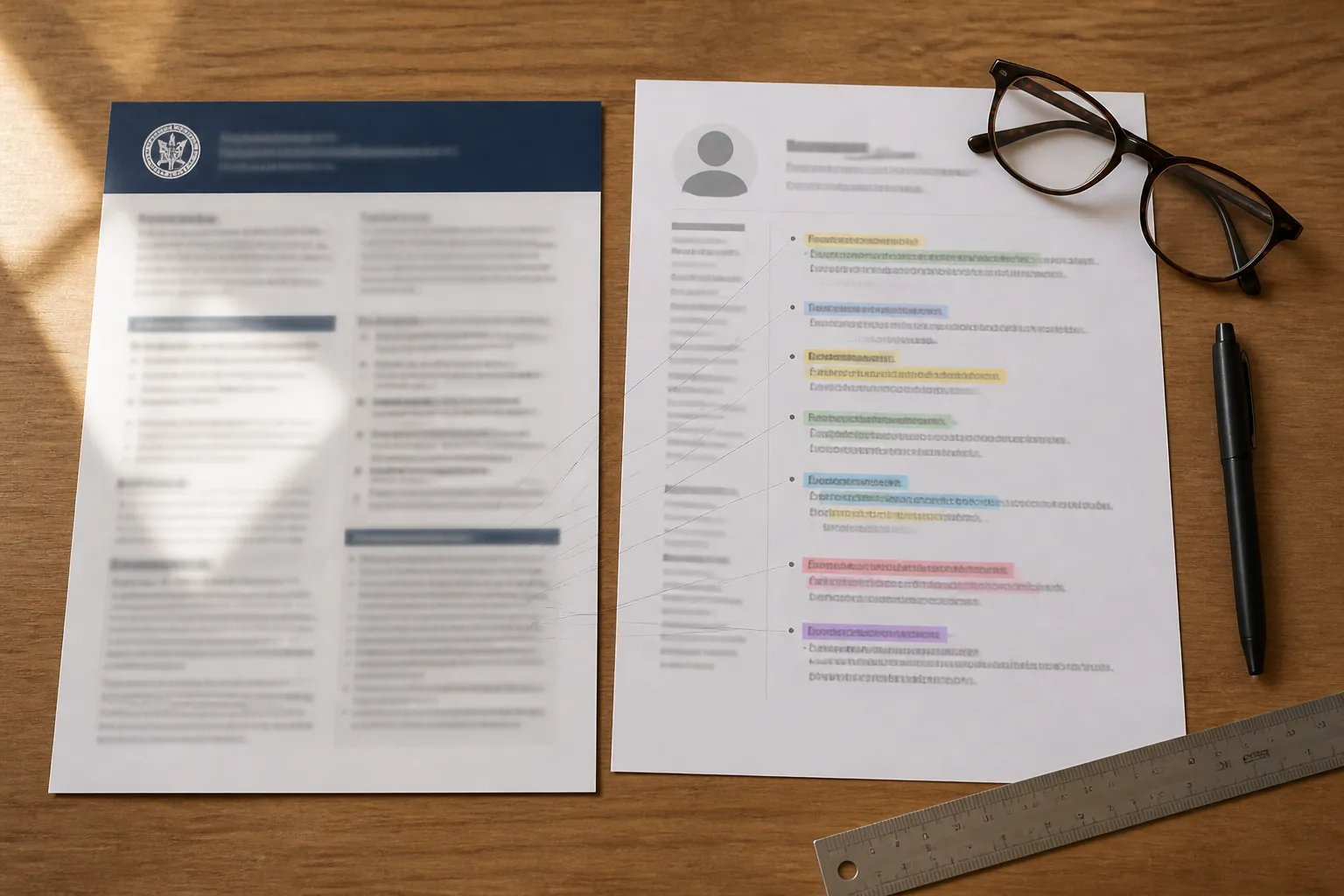
Why a federal resume is different
A private-sector resume is a marketing piece. Its job is to win an interview. A federal resume is read to decide whether you meet the minimum qualifications in the announcement. That is a screening question, and the document is built to answer it.
The University of Arizona's Center for Career Readiness notes that a federal resume can run several pages so all relevant experience is documented, while a private-sector resume is usually held to one or two. Reviewers tend to check your experience against the stated requirements. So mirroring the announcement's language, and backing it with specifics, beats a punchy summary. A vague line that charms a recruiter can leave a federal reviewer unable to confirm you qualify.
What official guidance says to include
Federal guidance typically asks for each job's title, employer, dates by month and year, hours worked per week, supervisor's title and contact information, pay, veteran status, and any security clearance. NIST's careers site recommends the USAJOBS Resume Builder when possible and points to USAJOBS guidance on documents and resumes.
The same guidance says what to leave out: country of citizenship, street address, salary history and a list of references. Check your draft against the official NIST resume tips before you submit. If a helper's template ignores these points, that tells you something about the helper.
Read the job announcement first
Every announcement lists the salary, pay scale and grade, clearance requirements, background check type, drug testing and the documents you must send. Those details decide what your package needs. They are the starting point for any writing help, paid or not.
Do one test before spending money. Take your draft and the stated minimum qualifications. Can you point to a specific example for each? If yes, you may need a proofread, not a rewrite. If no, ask what the gap is. A clear explanation of the gap is worth more than a polished document that hides it.
Questions to ask before you hire help
Ask these, and write down the answers:
- Will you follow the USAJOBS format and the detail requirements in official guidance? How do you handle hours per week and supervisor contact fields?
- What exactly will you do? Reviewing my draft against the announcement and checking required fields are reasonable answers.
- How do you verify your own qualifications, and what oversight applies to your work?
- What is the total price, in writing, and what does it include?
Be wary of any promise that a document will guarantee a hiring result. Nothing in the sources I reviewed supports that claim, and no one controls the hiring decision except the agency.
On credentials, I found no authoritative source explaining how to verify a federal resume writer, or any regulator that oversees them. So the answer is only as good as what you can check yourself. Ask for sample work and compare it to the official guidance.
On price, the sources give no ranges, and they do not say what USAJOBS tools cost. Costs vary by state, provider and how much work your situation needs, so get the quote in writing. Treat this as general information, not personal career or financial advice. A licensed career professional or a federal agency HR contact can speak to your case.
Warning signs and common scam patterns
A top search result is not a credential. The Federal Trade Commission warns that scammers and dishonest businesses sometimes pay to appear at the top of search results, and that sponsored social media ads are not always vetted. An ad proves only that someone paid for it.
The FTC also warns that some companies charge service fees and then do not do the work. Slow down if you see an upfront fee for a vague service, a request for personal financial information, or pressure to pay before you have seen a draft. The FTC's job scams guidance is worth reading directly, since I could not review all of its specific tactics. Then compare any offer against what the official guidance already tells you for free.
Sources
- USAJOBS - Job Announcement
- What should I include in my federal resume? – Career Management Center Colorado State University
- https://vertexaisearch.cloud.google.com/grounding-api-redirect/AUZIYQF_dueizTeWWDh9vYs0uqISSwAeAOo5HRKZb172pFTun5I12LyGpr8B5SvhbszeR7a4vB7Paeg03X22yzagbmNPTApM9g1UM55cUA6Vf4Tm-fpu5Ikrw2fC4QGX-DexwUKPMFFMczc_hbx67sMBLSQ0Utnuw_5CBqYQ4gM=
- Federal Resume Examples – Center for Career Readiness
- Section 4: Resume Tips | NIST
- Federal Resume Tips - Alcorn State University
- Job Scams | Consumer Advice
- Don’t let job scams block your path forward | Consumer Advice
Still have a question?
Related guides
-

What the PMP Actually Costs, Once You Stop Reading Only the Exam Fee
The headline price leaves out membership, the 35 required training hours, study materials, retakes, and renewal, so budget for the full cycle before you register. By Dolores Kinnane
-

Try the Free Office First: What American Job Centers Actually Offer
Before paying for resume help or career coaching, check what the public workforce network already provides at no cost, and how to confirm a provider is legitimate.By Dolores Kinnane
-

Income Share Agreements: A Loan by Any Other Name
Federal regulators classify most ISAs as private education loans, so the finance charges, repayment terms and placement claims deserve the same scrutiny you would give any loan.By Dolores Kinnane