Pick the Credential Before the School: How to Vet Solar Installer Training
Check the NABCEP credential, the accreditation, and the course catalog listing before you look at a single brochure or price.
 By Imogen Tarrant ·

Verdict first: pick the credential, then pick the school. Most people do it backward. They read a brochure with a smiling person on a roof and ask about tuition later. For solar installer training, the order should be credential, accreditation, format, then price. This guide covers solar. It does not cover wind technician training, and I will say why near the end.
Training is a route into the exam. It is not a replacement for the exam.
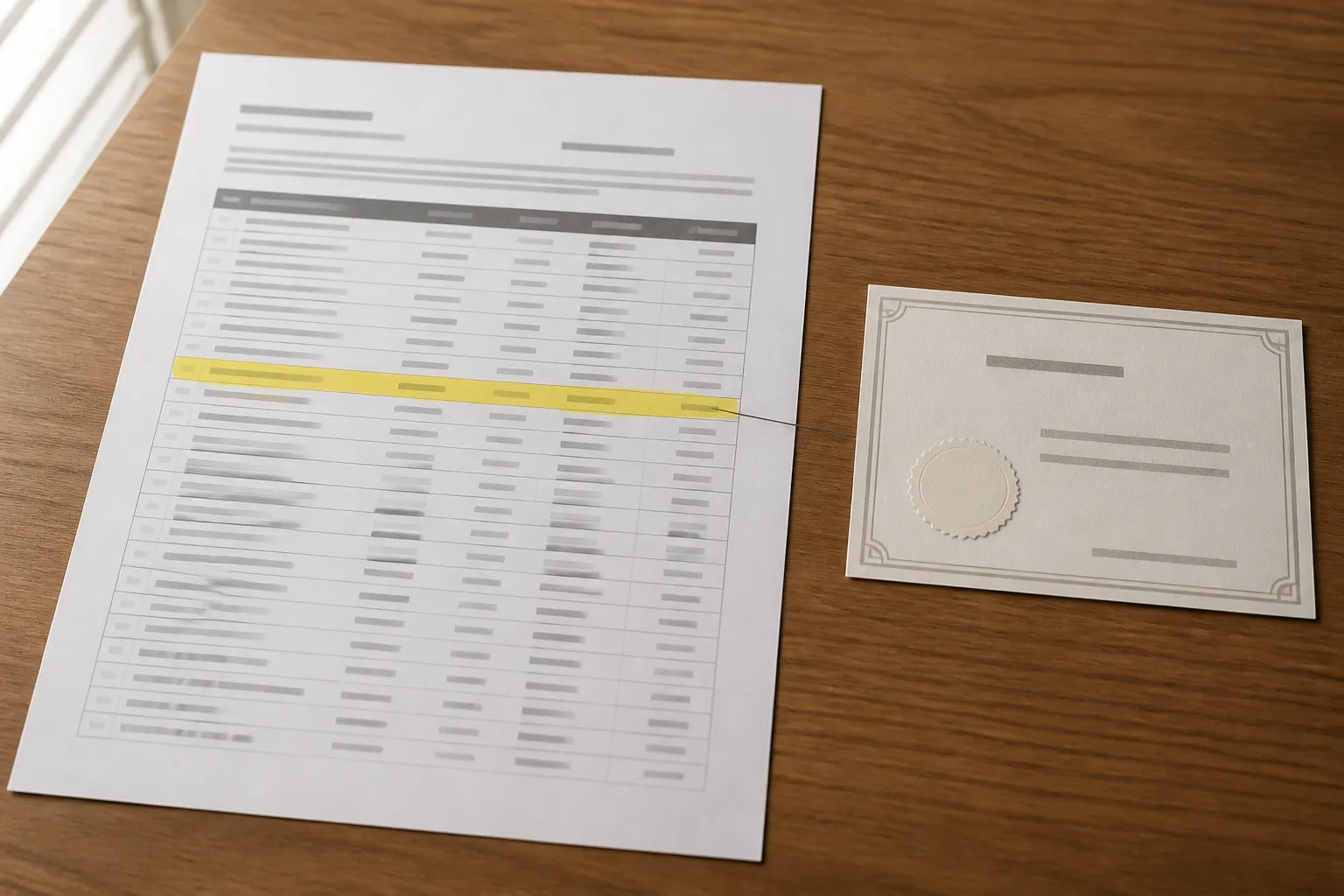
Start with the credential you want
In solar, the main name is the North American Board of Certified Energy Practitioners, or NABCEP. It offers Associate credentials, including the PV Associate and the Solar Heating Associate. You earn one by passing an exam based on NABCEP's job task analysis or learning objectives. You do not earn it by sitting in a classroom. A program that promises the credential without an exam is selling something other than the credential.
Next, check that the course maps to the exact credential you want. NABCEP's course catalog links each course to a credential. A course that prepares you for one Associate credential may not count toward another. That is a cheap thing to check and an expensive thing to get wrong.
Also ask about current content. As of April 7, 2026, the PV Associate exam adds new content domains on safety and core knowledge. Ask the provider to show you where its course covers them. If the answer is a vague smile, you have learned something.
Understand what accreditation and registration mean
Two words get blurred in sales talk: registered and accredited. They are not the same. To sit for a NABCEP Associate exam, you need training from an Associate Registered Training Provider. Those providers must also hold third-party accreditation to deliver Associate-level training. So confirm both, in that order, and get it in writing.
The Interstate Renewable Energy Council, known as IREC, is one of the accrediting bodies in clean energy training. It describes having accredited more than 200 programs and certified more than 100 instructors. Its reviews look at instructor recruitment, learner support, curriculum and assessments, training center safety, and safe work practices. That is a decent quality signal. It is still a separate question from whether a course sits in NABCEP's catalog for your credential.
One wrinkle. Recertification credits can come from accredited or non-accredited sources. A non-accredited course may be fine for continuing education and useless for qualifying for your first exam. Do not let a provider blur that line for you.
Use the search tools and compare formats
The NABCEP Course Catalog lets you filter by state, technology, credential, provider name, and format. Work in that order: credential first, then state, then format, then provider. It cuts the list fast and keeps you from shopping on vibes.
Formats include online, in-person, hybrid, and conference forums. NABCEP says all of them are acceptable for its requirements. So the real question is yours. Can you learn wiring and mounting from a screen? Probably not all of it. Ask exactly how hands-on lab work is delivered, where, and how often.
For accredited providers and certified instructors near you, IREC offers a Green Workforce Connect tool and a Credential Holder Registry. Use them to check a name rather than trusting a flyer. If you take a course that is not on the registered list, you can still submit completion documents, but expect to supply more information. Ask both the provider and NABCEP what paperwork you will need before you pay.
Know what it costs and what to ask before you pay
Here is the honest cost answer: the sources behind this guide contain no tuition figures, course lengths, or total costs. NABCEP lists its fees on its website. Training prices vary widely by provider, format, state, and whether equipment and exam fees are bundled. Anyone quoting you one tidy national number is guessing. Ask each provider for a written, itemized total that includes exam fees, and check current exam fees with NABCEP directly.
Some course listings note that certain courses may qualify for GI Bill reimbursement. If that applies to you, get eligibility confirmed in writing. Other aid options are not covered here, so ask providers and your state workforce or education agency.
Questions worth putting to every provider:
- Is this course listed in the NABCEP Course Catalog for the credential I want?
- Are you an Associate Registered Training Provider with third-party accreditation?
- Does the course cover the current PV Associate content, including safety and core knowledge?
- Are you IREC-accredited, and are your instructors IREC-certified?
- How is hands-on work delivered, and what format fits my schedule?
- If the course is not registered, what extra documents will I need?
Watch for red flags and known gaps
Walk away from training pitched as a substitute for passing the exam. Walk away from claims of NABCEP qualification from a provider you cannot find in the registered list or catalog. Be wary of non-accredited training sold as exam qualification. Each of these is checkable in about ten minutes, which is the point.
Now the gaps. Nothing here covers wind technician training or its credentials. If that is your goal, research it separately through its own professional bodies and ask the same cross-examining questions: what credential, who accredits, what does it cost in writing. Also missing: job placement rates, wages, job market outlook, state licensing and electrical rules for installers, exam pass rates, and scheduling. Check those with your state labor agency, your state licensing board, and the credentialing bodies. This is general information, not personal career, legal or financial advice. A licensed professional or your state agency can speak to your situation.
Sources
- Registered Courses for Exam Qualifications (Accredited and Non-Accredited) | North American Board of Certified Energy Practitioners
- NABCEP Course Catalog | North American Board of Certified Energy Practitioners
- For Training Providers - NABCEP
- Associate Program - NABCEP
- Credential Holder Registry - Interstate Renewable Energy Council (IREC)
- Credentials - Interstate Renewable Energy Council (IREC)
- Clean Energy Training - Interstate Renewable Energy Council (IREC)
- Why IREC Accreditation is Important for the Clean Energy Workforce
Still have a question?
Related guides
-

What the PMP Actually Costs, Once You Stop Reading Only the Exam Fee
The headline price leaves out membership, the 35 required training hours, study materials, retakes, and renewal, so budget for the full cycle before you register. By Dolores Kinnane
-

Try the Free Office First: What American Job Centers Actually Offer
Before paying for resume help or career coaching, check what the public workforce network already provides at no cost, and how to confirm a provider is legitimate.By Dolores Kinnane
-

Income Share Agreements: A Loan by Any Other Name
Federal regulators classify most ISAs as private education loans, so the finance charges, repayment terms and placement claims deserve the same scrutiny you would give any loan.By Dolores Kinnane