Before You Pay for an HVAC or Welding Program, Check the Certification, the Real Price and the Paycheck
The right program matches the credential you need, prices everything in writing, and lets you earn while you learn.
 By AnselmRoarke ·
Verdict first: the best welding or HVAC program is the one that matches the credential you need, tells you the full price in writing, and lets you work while you learn. Everything else in the brochure is decoration. Costs and rules vary by state and by situation, so treat the numbers below as starting points, not quotes.
This is general information, not personal career, legal or financial advice. A licensed professional, your state licensing office and the program itself can confirm what applies to you.
What HVAC/R and welding training prepares you for
HVAC/R technicians install, clean, maintain, inspect, test and repair heating, ventilation, air conditioning and refrigeration systems. Some later specialize in radiant heating, solar panels, testing and balancing, or commercial refrigeration. The work also has to follow federal rules on refrigerant conservation, recovery and recycling. That is a legal duty, not a nice extra.
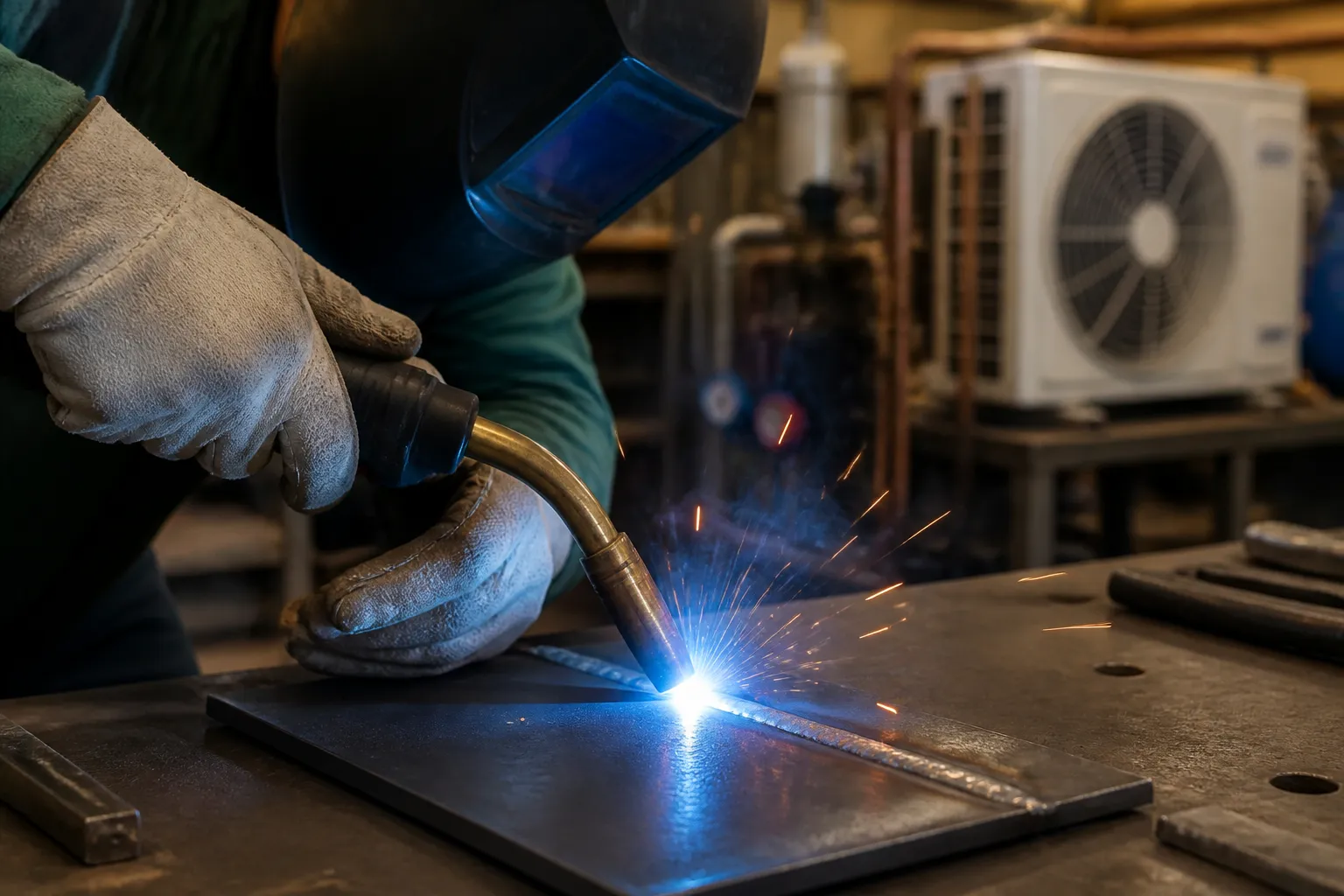
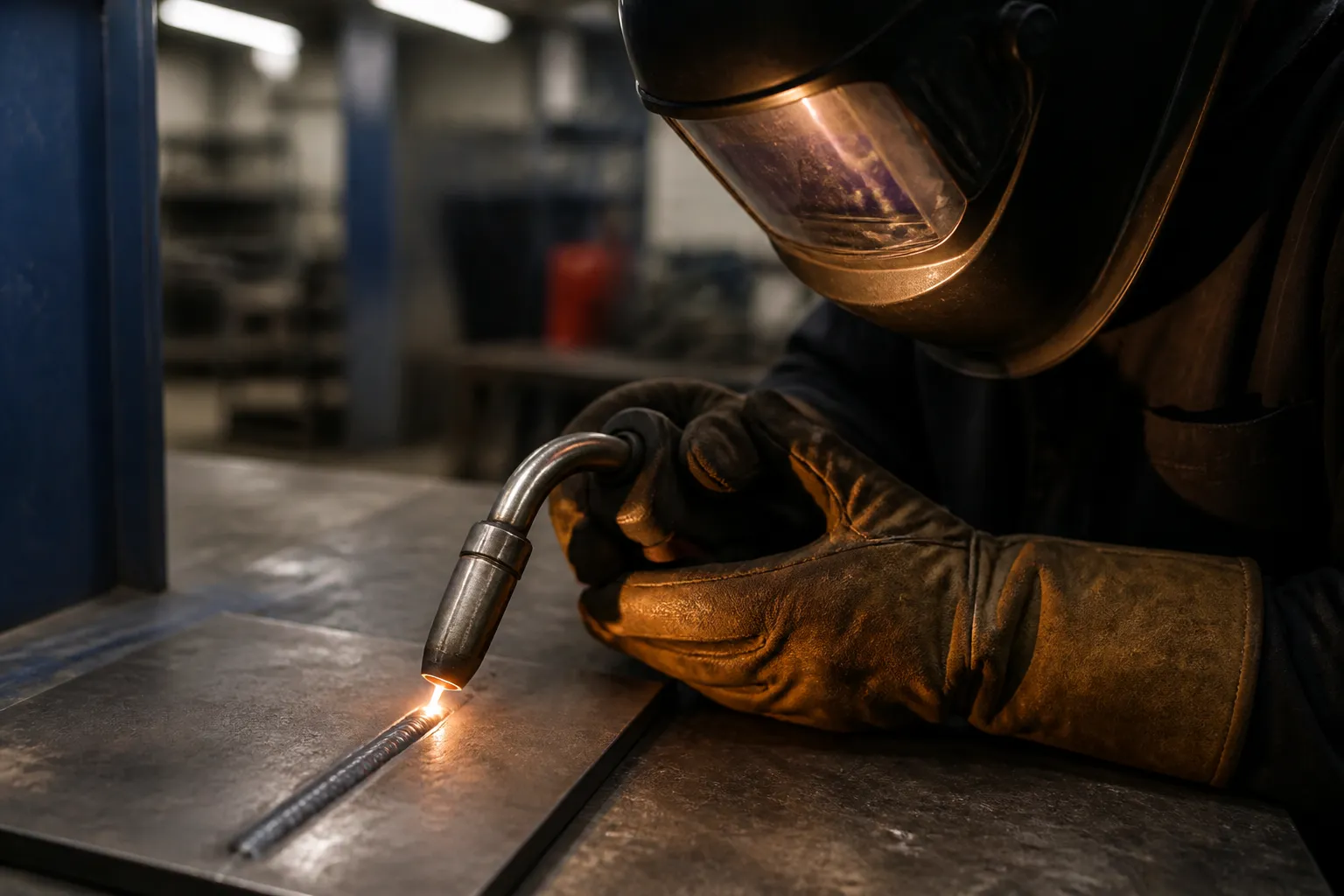
Welding is more specific. Programs teach processes by name: SMAW, GTAW, GMAW, plasma arc and oxy-acetylene cutting. That process list is the product. If a shop near you hires for one process and the program teaches another, you have bought the wrong thing. One sample program also includes OSHA-10 safety certification, which is a useful line item to look for.
Understanding the EPA Section 608 requirement
If you touch equipment that could release refrigerant, you need EPA Section 608 certification. The EPA spells out the technician certification requirements plainly. Check this before anything else in an HVAC/R program.
There are four types. Type I covers small appliances. Type II covers high- or very high-pressure appliances, excluding small appliances and motor vehicle air conditioners. Type III covers low-pressure appliances. Universal covers all of them. Tests are specific to equipment type, so ask which one the program actually prepares you for.
Testing must be an EPA-approved test from an EPA-approved certifying organization. The core test must be proctored. A core test taken open book cannot count toward Universal. So a program that promises Universal on an open-book core is selling you something that does not meet EPA rules. Walk away.
The credential does not expire, which is the one genuinely kind fact here. Apprentices may work without their own certification only if a certified technician closely and continually supervises them. Ask how that works on a real job site, not on paper.
Comparing apprenticeships, certificate programs and self-paced options
A Registered Apprenticeship pairs paid work with a mentor, classroom instruction, progressive raises and a portable, nationally recognized credential. You earn from day one. That can cut how much you borrow, which is the part tuition-based programs rarely advertise. Apprenticeship.gov is a reasonable place to start looking for registered programs.
A classroom program usually charges up front and leaves the job hunt to you. One sample welding course runs 18 weeks, part-time in the evening, with 108 hours in person and 10 online, on a learn-while-you-earn model. Evenings suit people who already have a day job. They are slower than a full-time course.
For welding inspection, the American Welding Society lists several training formats for the Certified Welding Inspector credential: in person, online instructor-led, self-paced online, and seminar plus exam. Pick by schedule and budget. Self-paced is cheap on time only if you actually finish.
One caution. The sources here do not explain how to verify that a program is legitimate beyond using the registration tools. Call your state apprenticeship office or workforce agency and ask.
What training typically costs and what it leaves out
Straight answer: I cannot give you a reliable HVAC/R tuition range or a Section 608 testing fee from the sources here, and anyone quoting one without knowing your state and school type is guessing. Public, private and employer-sponsored training price very differently. Get quotes from at least three places and compare them line by line.
One sample welding program lists tuition at $3,150. It says that covers program costs, fees, certifications, books and course materials. It also says students pay for some supplies separately. So the sticker price is not the final price. Ask for a written list of what is in and what is out. Gloves, boots and a helmet are the usual suspects.
On the payoff side, the Bureau of Labor Statistics reported a median annual wage of $48,630 for HVAC/R mechanics and installers in May 2021, with 5% projected growth for 2020 to 2030. That is old data. Local wages differ, so check current figures for your area before you do any math on payback.
Financial aid, payment plans and tuition assistance are not described in the sources. Ask the program directly, and ask any agency you may qualify for.
Questions to ask before you enroll
- Which Section 608 types does the program prepare me for, and is the core test proctored?
- Which welding processes and certifications are covered, and do local employers use them?
- Is this a registered apprenticeship? What do apprentices earn during training, and who supervises them?
- What does tuition include, and what must I buy separately?
- How many total hours is it, and does the schedule fit my job?
- What are the entrance requirements?
That last one matters. The sample welding program requires applicants to be 18 or older, pass an ACT WorkKeys entrance assessment and complete enrollment documents. A high school diploma or GED is recommended, not required. Confirm you qualify before you hand over a deposit.
Red flags and gaps to research further
Two red flags come straight from the EPA material. One is any Universal promise built on an open-book core test. The other is apprentices working without close, continuous supervision by a certified technician. They may not be exempt from certification, which puts you on the wrong side of the rules.
Then there is what the brochures skip. The sources here say nothing on job placement rates, graduate outcomes, accreditation, state licensing differences, or the cost of AWS exams and CWI training. Ask each program for those in writing. A school proud of its numbers will hand them over. One that changes the subject has answered anyway. Then check what you hear against your state licensing board and the certifying bodies.
Sources
Still have a question?
Related guides
-

How to Compare Training Vendors Without Buying the Best Slide Deck
A plain method for small-business buyers to define the need, weight a scoring rubric, and pilot a program before signing a contract. By Imogen Tarrant
-

How to Check a Nursing or Allied Health Program Before You Pay
Accreditation, exam results, and clinical placements are the three claims a program should prove, and you can verify each one yourself before you commit money. By Dolores Kinnane
-

Ask for the Math Before You Trust a School's Placement Rate
A placement percentage means nothing until the school shows how it was counted, and a federal results site gives you a way to check.By Dolores Kinnane