What Pilot Training Actually Costs, and Why the First Number You See Is Misleading
Published prices vary by program track, starting hours and ratings, so compare each quote on the same terms before you pay a deposit.
 By AnselmRoarke ·
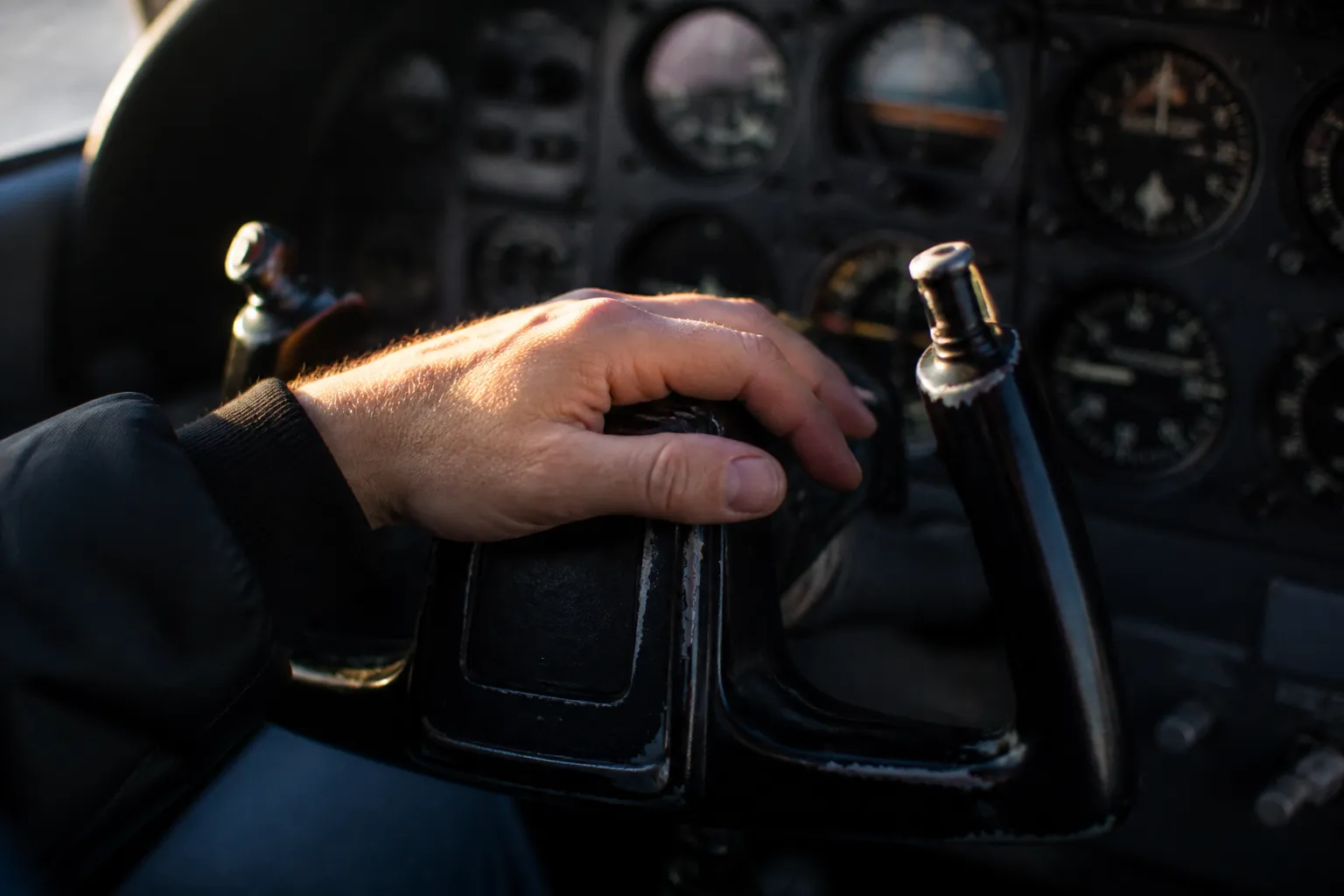
Short answer: anywhere from a few hundred dollars to well over $100,000, and the number you see first is usually the one that flatters the program. There is no tidy national price for pilot training. What exists is a pile of individual price lists, each describing one school's own courses, aircraft and billing habits. This guide is general information, not personal financial or career advice, and a licensed professional is the right person to check your own plan.
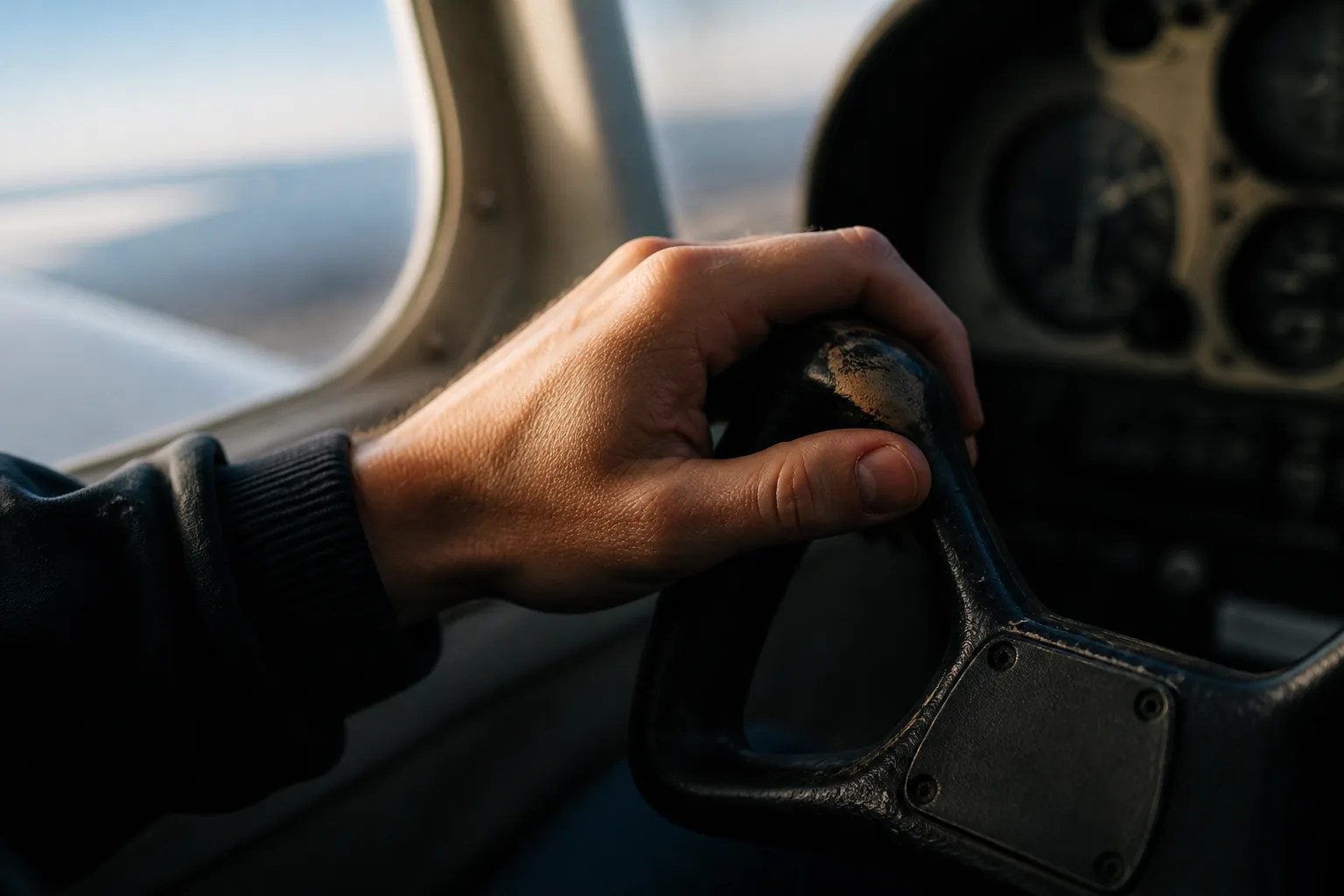
What the published numbers actually cover
Most of the figures you can find come from one university department or one flight school. They are not national surveys. So they tell you what that program charges, not what pilot training costs in the United States. The sources reviewed here give no US-wide ranges and no state-by-state comparisons. Costs do shift with state, local aircraft rental rates and how many flight hours a student needs, so treat any range as a rough sketch and verify it with the program you are considering.
One university lists 2026-2027 projected flight costs from $675 to $116,596. That spread is not a typo. It is the gap between a degree track with almost no flying and a helicopter-based drone operations track. The school labels these as averages subject to change. Read that as: your bill may move.
Why the same school can quote very different totals
The track is the price. At that same university, an air transportation business track with no flight component lists $675. A business degree with private, commercial, instrument and multi-engine flying lists $78,350. A commercial aviation airplane degree lists $104,207. Same campus, same logo, a difference of more than $100,000.
Starting point matters too. One airline-oriented flight school lists about $108,995 for a twelve-month program from zero flight hours. Its eleven-month version, which begins with credit for solo flight, lists about $96,995. Students who already hold a private pilot certificate get a credit that lowers tuition further. So a cheaper sticker may simply mean the program starts later in the journey.
Ratings add cost as well. Instrument, multi-engine and instructor ratings each need more flight time and instruction. If a bundle is advertised, find out which ratings are in it and which are billed separately.
How to compare programs fairly
Compare by the exact certificate or rating you need. A private pilot price and a commercial program with instrument and multi-engine ratings are different products, even from one school. One university shows a private pilot airplane track at $30,325 and a commercial airplane track at $104,207.
Then put every quote on the same starting line. A figure that assumes solo credit will look lighter next to one that starts at zero hours. Finally, look at structure. One flight school describes fixed tuition with set payment schedules, which makes budgeting easier. Where tuition is not fixed, ask how extra flight hours get billed. That question tends to produce an interesting pause.
Questions to ask before you pay anything
- Does the total include all flight costs, or only tuition? Get the expected cost in writing, plus what would change it.
- Is tuition fixed? What are the deposits, due dates and refund terms, especially if you need to pause?
- Does the price assume zero hours, solo credit or an existing private certificate, and how much does that credit save?
- Which ratings are included? Some promotional figures assume the fastest possible finish, so ask what a typical student actually spends.
Red flags and costs that are often left out
Be wary of "value" claims. One school says its 100+ hour multi-engine program costs the same as its standard airline program and is worth over $40,000, counting $30,000 of extra multi-engine time and a $12,000 instructor rating. That is the school's own marketing math. It is not a price. Check it against the actual tuition and the contract.
Watch for deadlines too. Start-date cutoffs and limited-time offers exist to speed up your decision. Compare at least two programs before any deposit leaves your account.
Then budget for what the total may skip: written exams, medical certificates, aircraft rental beyond the program's hours, headsets and study materials. The sources reviewed give no figures for these, so ask each program for an itemized list. Financing is the same story. Schools mention options but publish no rates or loan terms in the material reviewed. Get terms in writing and compare them with other borrowing.
Pay and job outlook are not covered here
This guide covers the cost of training only. The sources did not yield usable pay or job outlook data, so whether the spending pays off needs a separate look. A sensible place to start is the Bureau of Labor Statistics occupational outlook entry for pilots, then the regulator's published certification rules. A licensed financial or career professional can help with your own numbers.
Sources
- Pilot License Cost - AOPA
- Airline and Commercial Pilots : Occupational Outlook Handbook: : U.S. Bureau of Labor Statistics
- Program Costs | Department of Aviation | University of North Dakota
- Daytona Beach Flight Course Costs and Payment
- Daytona Beach Flight Courses and Ratings
- R-ATP Information
- Airline Career Pilot Program Cost / ATP Flight School
- ATP Flight School | FLYING Magazine
Still have a question?
Related guides
-

How to Compare Training Vendors Without Buying the Best Slide Deck
A plain method for small-business buyers to define the need, weight a scoring rubric, and pilot a program before signing a contract. By Imogen Tarrant
-

How to Check a Nursing or Allied Health Program Before You Pay
Accreditation, exam results, and clinical placements are the three claims a program should prove, and you can verify each one yourself before you commit money. By Dolores Kinnane
-

Ask for the Math Before You Trust a School's Placement Rate
A placement percentage means nothing until the school shows how it was counted, and a federal results site gives you a way to check.By Dolores Kinnane