What Private School Actually Costs, Beyond the Tuition Number
Base tuition is the opening bid, so add up every required fee, insurance premium and uniform before you decide what a school really costs.
 By AnselmRoarke ·

The tuition figure on a private school's website is the opening bid. It is not the bill. Families who budget from that number alone tend to find out about the rest in the spring, one invoice at a time. This guide covers what you will actually pay, how to compare schools fairly, and what to ask before you sign anything. It is general information, not personal financial, tax or legal advice, so check the details with the schools and a licensed professional.
What a private school is and who checks on it
A private school has no tie to any local, regional, state or national government, and it takes no public funding. That independence is the whole product. It is also why fees, admissions rules and programs differ so much from one school to the next. Most private school students attend day schools, which run much like public schools during the day. A smaller share attend boarding schools, where housing is part of the package.
Here is the part many parents assume wrongly: someone is watching. Often, not much. Many states take a hands-off approach, so nobody may be reviewing a school's finances, leadership or safety record on your behalf. Ask your state education agency what it requires of private schools in your state. Then plan to do much of the checking yourself.
What private school tuition typically costs
National averages give a sense of scale, nothing more. One education data source put average annual tuition across all private schools at about $12,790 in 2021. Elementary and middle schools averaged about $9,210, and high schools about $16,420. Independent day schools that belong to the National Association of Independent Schools (NAIS) averaged about $33,361. Boarding schools, with room and board included, averaged about $76,008.
Note the spread. A figure that low and a figure that high both count as "private school." These numbers are a few years old and national, so they are reference points, not quotes. Costs vary by state and city, and a school in an expensive metro area can sit far above the average. Use the averages to calibrate, then ask each school for its current schedule.
What tuition includes and what it leaves out
Base tuition usually covers instruction during the regular school day. That is about where the guarantee ends. Plenty of schools bill separately for a non-refundable application fee, which some programs set anywhere from roughly $500 to $2,000, and for new-student registration. An enrollment deposit is common too. Some schools credit it against tuition later in the year instead of handing it back, which is a different thing from a refund.
Then come the smaller charges, which are not small in aggregate:
- Formal uniforms, often bought after acceptance, typically $300 to $800.
- School-required health insurance, which some providers exclude from tuition, at roughly $2,000 to $4,000 a year in some programs.
- School supplies. A National Retail Federation survey cited an average of about $840 in 2021.
- Lunch, transportation, sports equipment, and music or art supplies.
- Activities and tutoring beyond the structured study day.
Some providers bundle tuition, housing and on-campus support into a single annual fee, which makes comparison easier. Placement-only services work differently. They route a student to a school that sets its own separate fees, so the real total stays hidden until you add up each school's list yourself.
How to compare schools and total cost
Start with what you want: grade levels, schedule, academic focus, distance from home. Build a short list from that, not from reputation. NAIS advises families to define the right fit for their child before applying, then compare programs and admission details side by side. Once the list is final, work through each application in the same order so you are comparing like with like.
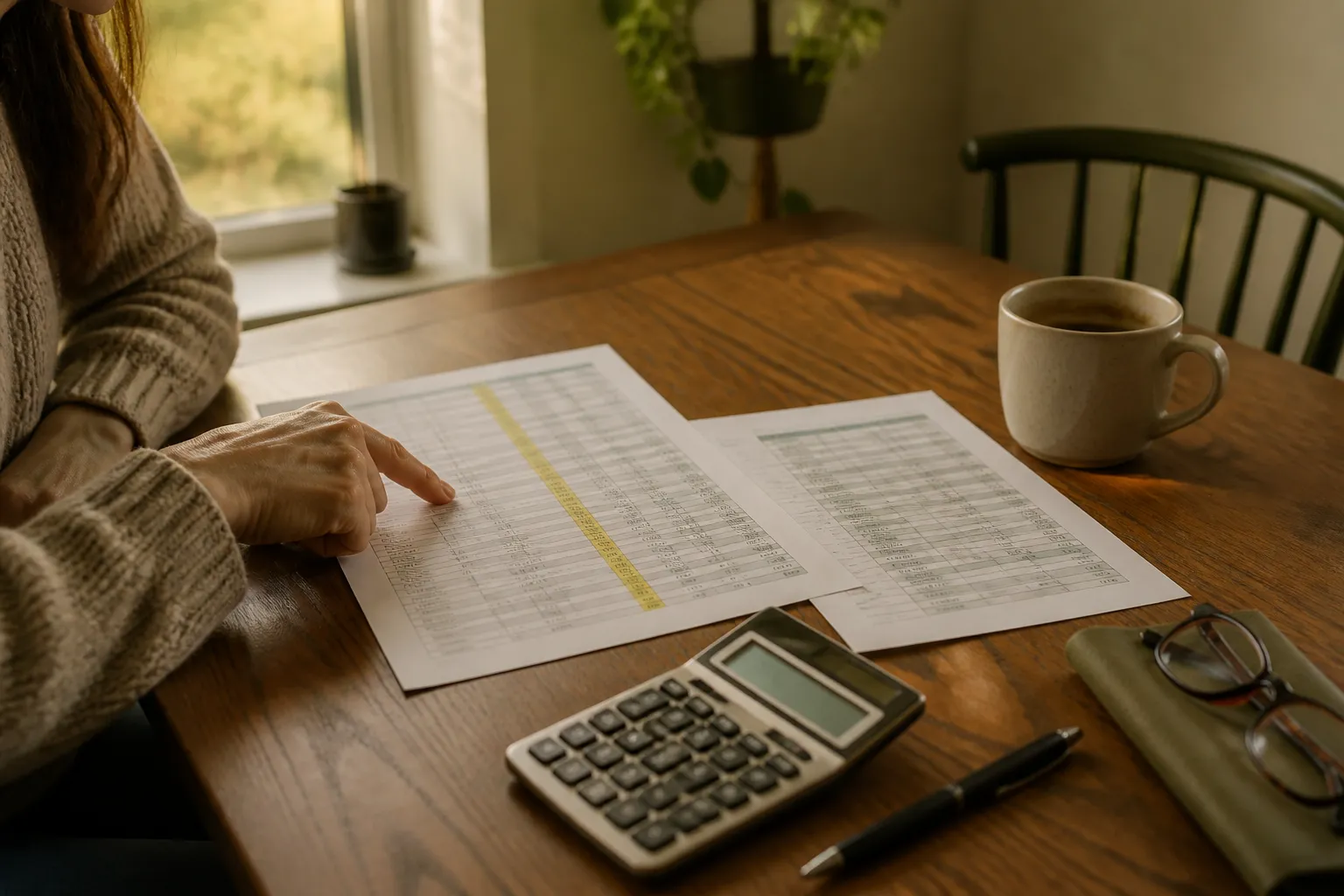
Then do the arithmetic the brochure skips. For each school, add tuition, every required fee, insurance, uniforms, supplies, lunch, transportation and expected activity charges. Many schools will not print that total, so ask for it in writing. A school with lower tuition and heavy add-ons can cost more than one with a higher sticker price and a flat fee. Only the full-year number tells you.
Questions to ask before you enroll
Keep the list short and make them answer in writing.
- Which fees are not included in tuition? Registration, deposits, lunch, uniforms and insurance are the usual suspects.
- Is school-mandated health insurance required, and what does it cost?
- Is the deposit refundable, or is it applied to tuition later?
- Are there charges for tutoring or activities beyond structured study hours?
- Does the school provide regular progress reports and an activity calendar showing what is included?
- How much has tuition risen in recent years, and what increase should you expect?
- What is the refund policy if your child leaves mid-year?
A vague answer to the last two is itself an answer. Schools that know their numbers tend to state them.
Paying for tuition and using financial aid
Aid is not a side door. In a 2023 NAIS-cited survey of parents, only 10% of those who applied for aid for 2023-2024 said they would still be very or extremely likely to choose private school without it. The same survey found 55% of parents feel stressed about paying, up from 47% in 2018. NAIS itself says independent school may be more affordable than families think, which is worth hearing and worth verifying.
Many schools offer need-based assistance, and some aim to admit qualified students regardless of ability to pay, asking families to contribute what they can. Payment plans spread tuition over several months. Outside scholarships, tribal or organizational education funds, and help from relatives or trusts can fill gaps. Ask how need is assessed, what documents are required, and whether aid renews each year. Rules differ by school. Tax treatment and any state school-choice or savings programs also vary by state, so confirm with your state education agency or a qualified tax professional.
Red flags to watch for
The serious one is financial instability. A school that closes mid-year leaves families scrambling for seats in October. Lawsuits from families, or a principal with a troubling history, are the others. Admissions websites do not volunteer these. Public records, local news and conversations with current and former families will tell you more than a tour will.
Pricing red flags are more common and less dramatic. Be wary when fees are missing from published pricing, when application charges, insurance mandates, uniform rules or activity levies surface only after you have started the process, or when base tuition is quoted without the add-ons that pile up after enrollment. A school willing to hand over a full written cost breakdown is easier to compare, and usually easier to trust.
Sources
- NAIS Parents' Guide to Independent Schools
- NAIS - NAIS Research: 2024 Report on How Parents Pay School Costs
- How to Research Private Schools to Spot Problems — ProPublica
- Average Cost of Private School [2026]: Tuition by Education Level
- Tuition Fees | NAISNY
- Hidden Fees in US High School Placement Programs and How to Identify Them Early
- How to Afford Private School Tuition: 8 Real Options
- Tuition Assistance and Affordability | Kew-Forest School
Still have a question?
Related guides
-

How to Compare Training Vendors Without Buying the Best Slide Deck
A plain method for small-business buyers to define the need, weight a scoring rubric, and pilot a program before signing a contract. By Imogen Tarrant
-

How to Check a Nursing or Allied Health Program Before You Pay
Accreditation, exam results, and clinical placements are the three claims a program should prove, and you can verify each one yourself before you commit money. By Dolores Kinnane
-

Ask for the Math Before You Trust a School's Placement Rate
A placement percentage means nothing until the school shows how it was counted, and a federal results site gives you a way to check.By Dolores Kinnane