Check Your Credit Reports for Free and Fix Errors Before You Apply
Pull all three of your reports at no cost, document anything wrong, and dispute it yourself before a lender sees it.
 By Marcus Delaney ·

The price of checking your credit reports is $0. The price of skipping the check can be a higher rate, a denied application, or a delay while you sort out a mistake you could have fixed weeks earlier. This guide covers how to pull your reports, spot errors and dispute them yourself. It is general information, not personal financial or legal advice. A licensed professional can speak to your situation.
Why check your credit reports before applying
Lenders look at your credit reports when you apply. If a report shows a loan you never took out, or a paid-off card marked as late, the lender sees that too. Checking first gives you time to fix problems before anyone else reads them.
You have the right to dispute errors. Fixing one generally means contacting two parties: the credit reporting company that shows the error, and the company that supplied the information. Both matter.
There are three nationwide credit reporting companies: Equifax, Experian and TransUnion. Each can hold slightly different information. A mistake on one report may not appear on the others. So check all three.
How to get your free credit reports
Under the federal Fair Credit Reporting Act, each nationwide company must give you a free copy of your report, at your request, once every 12 months. That is three reports a year at no charge, one from each company.
The only authorized website for this program is annualcreditreport.com. Type the address yourself. Do not rely on a search result, because imposter sites use similar names and look convincing.
Read the fine print on anything else that says "free." Some sites advertise free reports, scores or monitoring that sit outside the official program. Some of those free trials turn into paid subscriptions and start charging your card if you do not cancel in time. Rules and any state-specific programs can vary, so confirm current details with official sources. The FTC page on free credit reports is a good place to start.
How to find and document an error
Read each report line by line. Look for these problems:
- Accounts you do not recognize.
- Wrong balances or payment histories.
- Accounts that should be closed or marked paid, but are not.
- Names or addresses that are not yours.
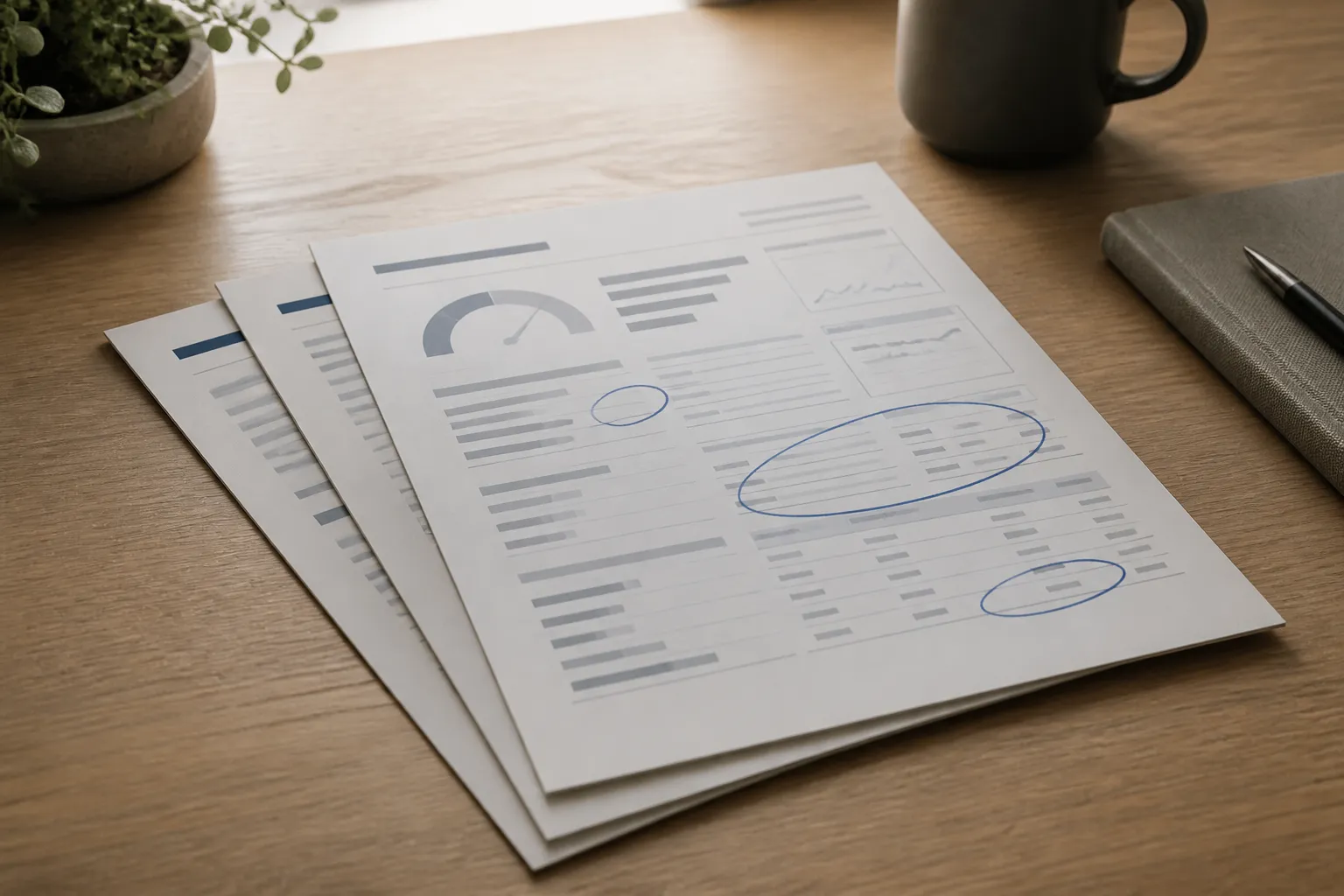
Write down every item you think is wrong. Note the account number and why it is incorrect. Then collect proof: payment records, statements, letters. Send copies, never originals.
If you think the error comes from identity theft, start at IdentityTheft.gov, the federal recovery resource. That is a different process from a routine dispute.
How to file a dispute
Start with the credit reporting company or companies showing the error. Explain in writing what is wrong and why. Attach copies of your supporting documents. The CFPB guidance lays out what a mailed letter should include:
- Your full name, address and phone number.
- The confirmation number from your report, if you have one.
- Each error, with the account number for any disputed account.
- A clear explanation of why it is wrong.
- A request that it be removed or corrected.
- A copy of the disputed part of your report, with the items circled or highlighted.
- Copies of supporting documents.
Send it by certified mail with a return receipt. That gives you proof it arrived. Keep a copy of everything.
You do not need to write the letter from scratch. The FTC publishes a sample letter to the credit bureaus and a sample letter to the business that supplied the information. The CFPB offers a template too. Adapt them.
One gap to flag. The sources used here do not say how long a bureau or creditor has to investigate, or what outcomes are possible. Check the FTC dispute guidance for current timelines, and write your own deadlines on a calendar. Do this well before you apply for the loan, not the week of.
Red flags and what to avoid
Imposter websites are the first one. They mimic annualcreditreport.com and promise free reports, scores or monitoring. Next are unsolicited emails, pop-ups and calls claiming to come from that site or the three bureaus. Do not reply. Do not click links. They are probably scams.
Also be careful with paid help. Official guidance shows how to dispute errors yourself with the bureaus and creditors, so no intermediary is required. Be wary of any credit repair service that charges fees or promises to remove accurate information. The FTC has a consumer alert on credit repair worth reading first.
The sources here give no pricing for credit repair or dispute services. If someone quotes you a fee, ask for the price and terms in writing before you agree to anything. If the fee is large or the terms are vague, walk away. Costs and rules vary by state and situation, so a licensed professional can help if your case is complicated.
Please seek a professional. This article is general information, not financial, tax or insurance advice. Please seek a licensed financial, tax or insurance professional about your own situation.
Sources
- How do I dispute an error on my credit report? | Consumer Financial Protection Bureau
- Disputing Errors on Your Credit Reports | Consumer Advice
- Free Annual Credit Report
- https://vertexaisearch.cloud.google.com/grounding-api-redirect/AUZIYQFNxCa8dlMlOYa0Do4pFtjElaPLDjO3jltLfDtBtjzTzvjvYQTajoriktKERyH-M4IJgfO_f8oJ7PoOMSI9KexPoeO1nXQUzT0JXTL84pIe2AB5XRSqNtQI26cdKONPvK-x0MzEpfsxQqJpumkvzVjb-wFSUyhNurwwfEDEzC6iuOlRok5lxSc-81ctQ0K4m6Y5D_q2XDI_QGQajMQWu5eNrX-ut7EB_yQ=
- Credit repair: Fixing mistakes on your credit report | Consumer Advice
- Sample Letter Disputing Errors on Credit Reports to the Business that Supplied the Information | Consumer Advice
- Sample Letter to Credit Bureaus Disputing Errors on Credit Reports | Consumer Advice
- Free Credit Reports | Consumer Advice
Still have a question?
Related guides
-

Hiring Help for an IRS Notice: What Is Settled and What Is Not
Enrolled agents, CPAs and tax attorneys can all respond to an IRS letter, but our sources back only part of the comparison. Here is what holds up and what you must verify. By Hollis Brandt
-

How to Hire a Tax Preparer Without Getting Burned
Fee ranges, credential checks and the red flags that should end a conversation before you hand over a single document.By Marcus Delaney
-

The Loan Hiding Behind the Sticker Price
Dealer financing can add a markup to the lender's rate, so comparing outside offers, total cost, and add-ons before closing shows buyers what they are really agreeing to. By Teodor Valcourt