Three Loan Estimates, One Fair Comparison: How to Shop for a Mortgage Without Getting Lost in the Fine Print
Requesting offers from several lenders on the same standardized form is the most direct way to see what a mortgage will really cost you.
 By Teodor Valcourt ·

The number to know first is $600 to $1,200. That is the yearly savings the Consumer Financial Protection Bureau says homebuyers can potentially see by getting offers from multiple lenders. It is a potential figure, not a promise. Your result depends on your loan, your state and the offers you actually collect. The tool for getting there is a three-page form called the Loan Estimate.
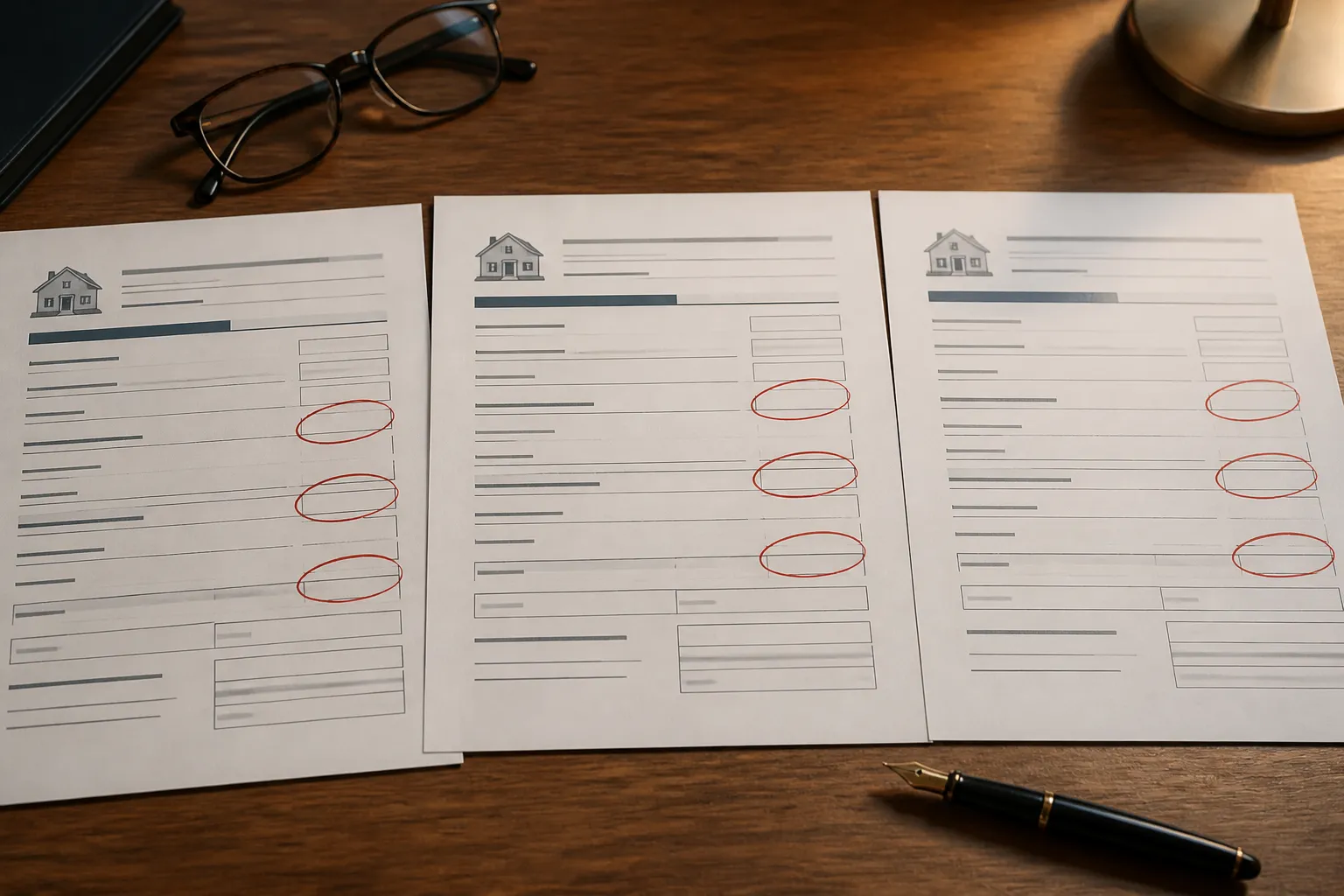
What a Loan Estimate is and why it matters
A Loan Estimate is a standardized form. A lender must send one within three business days after getting a complete application. It shows the loan terms, the projected monthly payment and the closing costs. The CFPB introduced the current form in 2015 to replace older formats. Every lender uses the same layout, so the same line sits in the same spot on each one. That is the whole point. You can compare without decoding each lender's own style.
One caution. An estimate is an offer, not a final commitment. It can be revised if the loan you end up with differs from the one you requested. Treat it as a snapshot and confirm it before closing.
How to request estimates from several lenders
Ask more than one lender. That is the core step. The CFPB points to multiple offers as the most direct way to compare pricing, and as material for negotiation later.
Each lender needs six items to start: your name, income, Social Security number, the property address, an estimate of the home's value and the loan amount you want. You do not need a signed purchase agreement. Do mention anything unusual, such as self-employment or irregular income, so the estimate reflects your real situation.
Timing matters more than it looks. Rates can change daily. If one estimate arrives on Monday and another the following Friday, the rate gap may be the market, not the lender. Request them close together. Mail delivery can add days, so allow for that.
Which numbers to compare on the form
Start on page one. Look at the loan amount, interest rate, monthly principal and interest, monthly mortgage insurance and the total monthly payment. Check whether that total includes escrow for property taxes and homeowner's insurance. If some taxes or insurance are not escrowed, you will pay them on top of the monthly figure. A payment that looks low may simply be leaving things out.
Page two holds the closing costs. Section D covers upfront loan costs, and the origination charges there deserve a close read. Section J shows lender credits, which can offset some costs. Compare the totals, not single lines, and check the cash you need to close.
- Name spelled correctly
- Loan term, purpose, product and loan type
- Loan amount matches what you asked for
If you are looking at an adjustable-rate mortgage, find the worst-case scenario the form shows if rates rise. A low starting rate can sit next to a much higher possible payment.
Interest rate versus APR
The interest rate is the cost of borrowing the principal. The APR is broader. It folds in other costs of getting the loan, such as discount points, certain fees and mortgage insurance. So a lender with a slightly lower rate can still cost more once its fees are counted. Compare both numbers.
APR has limits. It does not know how long you will keep the loan, and it does not show how a payment may change over time. Read it next to the monthly payment and the closing costs, not instead of them.
Using the estimates to negotiate and choose
Once you have several, go back to the lender you prefer. Ask whether it can match or beat a competitor, adjust points or add credits. Some have room. Some do not. No outcome is guaranteed.
Ask each lender to explain any gap between what you discussed and what the form says. If the estimate does not reflect the loan you asked for, pause. Get a clear answer before moving forward. You can also ask whether a different loan option would fit better, or request an estimate that matches your ideal scenario.
Cost is not the only measure. Consider whether the loan officer answers questions plainly and whether the lender can meet your closing date. A cheap offer that closes late is not cheap.
Fees vary by state and by lender, so your figures will not match any national average. This is general information, not personal financial advice. A licensed mortgage professional or housing counselor can look at your specific situation.
Please seek a professional. This article is general information, not financial, tax or insurance advice. Please seek a licensed financial, tax or insurance professional about your own situation.
Sources
- Loan estimate explainer | Consumer Financial Protection Bureau
- How to Read and Compare Mortgage Loan Estimates | Chase
- What to Know About Loan Estimates
- Compare and negotiate your loan offers | Consumer Financial Protection Bureau
- Fine-tune loan offers | Consumer Financial Protection Bureau
- Request and review multiple Loan Estimates | Consumer Financial Protection Bureau
- Everything You Need to Know About Loan Estimates - My Home by Freddie Mac
- What’s the Difference Between Interest Rate and APR? - My Home by Freddie Mac
Still have a question?
Related guides
-

Hiring Help for an IRS Notice: What Is Settled and What Is Not
Enrolled agents, CPAs and tax attorneys can all respond to an IRS letter, but our sources back only part of the comparison. Here is what holds up and what you must verify. By Hollis Brandt
-

How to Hire a Tax Preparer Without Getting Burned
Fee ranges, credential checks and the red flags that should end a conversation before you hand over a single document. By Marcus Delaney
-

The Loan Hiding Behind the Sticker Price
Dealer financing can add a markup to the lender's rate, so comparing outside offers, total cost, and add-ons before closing shows buyers what they are really agreeing to.By Teodor Valcourt