Choosing a Dermatologist: Credentials, Costs, and the Questions to Ask
A slow, practical walk through checking board certification, estimating what a skin visit will cost, and what to ask before you book.
 By Priya Ranganathan ·
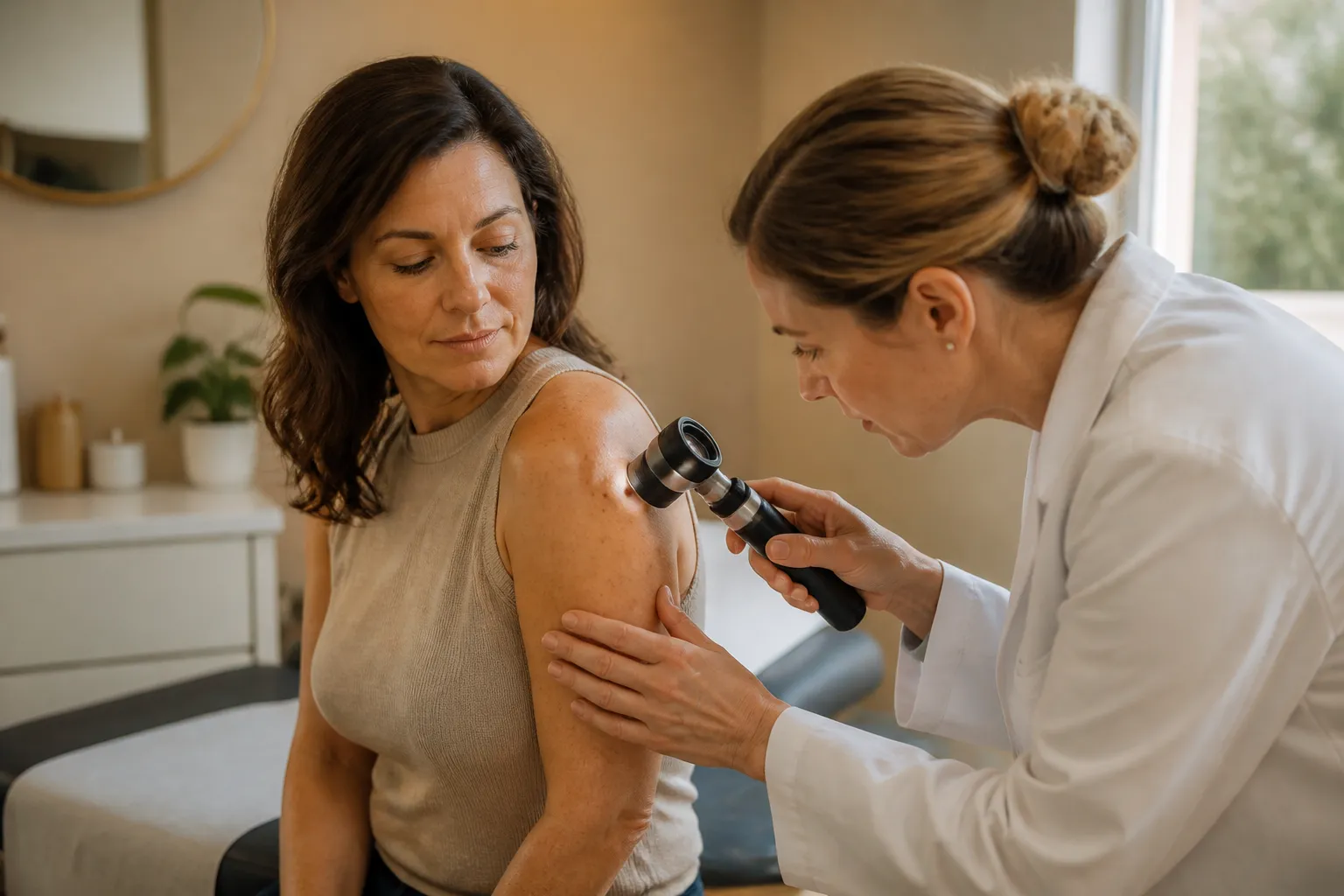
Picture a neighbor who has noticed a mole on her shoulder looking a little different. She wants it checked, but she does not know whom to call, what the visit might cost, or what to ask. Most of us have been there. This guide walks through it slowly, in the order that tends to matter: credentials first, then how to confirm them, then the money, then the questions. It is general information only, not medical, legal or financial advice, so please lean on a licensed professional for your own decisions.
Why credentials come first
Board certification from the American Board of Dermatology (ABD) means a dermatologist has met standards set by their peers for knowledge, experience and ongoing learning. ABD-certified dermatologists are MD or DO physicians who have had specialized dermatology training. That is a meaningful starting point when you are choosing someone to look at your skin.
It helps to know that a license and a certification are not the same thing. A physician needs a license in each state where they see patients. Board certification is specific to a specialty, and it is voluntary. So a licensed doctor may or may not be certified in dermatology.
Some dermatologists are certified by a different specialty board instead. The ABD is one of 24 member boards of the American Board of Medical Specialties (ABMS), and the ABMS Certification Matters site can show whether a physician holds certification from any of them. You may also see the letters FAAD after a name. That is a Fellowship in the American Academy of Dermatology, described as a designation for dermatologists with extensive training and demonstrated competence. It is a nice extra signal. It does not replace checking board status yourself.
How to verify a dermatologist
The simplest step is the ABD Dermatologist Search. It shows certificate status, such as active, retired, lapsed or revoked. The sources I reviewed do not say what you will find for any particular doctor, so you will need to look the name up directly. You can also read the ABD's own page on whether your dermatologist is board certified.
One quirk is worth knowing. Certificates granted before 1991 were lifetime certificates. Those dermatologists are not required to recertify, though they are strongly encouraged to. Newer certificate holders take part in continuing certification activities and assessments throughout their careers, so an active status reflects current participation.
Your state medical license is a separate check. The sources here do not cover how state boards work or how complaints are handled, so your state's medical board is the place to ask.

What a skin care visit typically costs
Prices vary widely by state, plan and venue, and the numbers below come from third-party cost sites, not a verified national average. Treat them as rough guides, not quotes.
Without insurance, a dermatologist visit typically runs $100 to $400. With insurance, most people pay about $30 to $350 out of pocket. If your deductible has been met, you may owe a copay of roughly $30 to $75. If it has not, you may owe the full negotiated rate, often $200 to $350.
Where you go changes the bill:
- Private-practice office: about $100 to $300
- Direct-care or membership practice: about $75 to $200
- Hospital-affiliated or academic clinic: about $200 to $450
- Teledermatology: about $50 to $150
Hospital-owned clinics may add a facility fee of $100 to $300. Independent offices are described as 20 to 40 percent cheaper. Historical cash-price averages by state run from about $74 to $121 at the low end (Iowa) to about $102 to $159 at the high end (New Jersey). Your own area may land anywhere in between.
Biopsies, procedures and cosmetic services
A visit that includes a biopsy is where bills tend to grow. The total billed before insurance is typically $150 to $450, split among the office visit, the biopsy, the pathology reading and any facility fee. The biopsy and the pathology reading are billed separately, and together they can add $170 to $850. Ask for a full estimate that includes both before anything is done.
Cash or prompt-pay prices are often well below billed amounts. It costs nothing to ask for one when you book, and to ask whether paying at the visit earns a discount.
Cosmetic work is a different category. Appearance-based mole removal or Botox is generally not covered by insurance. The sources give no price ranges for lasers, fillers or similar treatments, so ask for a written estimate. It also helps to ask whether a proposed treatment is medically necessary or cosmetic. The AAD has public guidance on questions to ask before a cosmetic treatment.
Preparing for the first visit and choosing a venue
A first visit usually starts with your medical history, past treatments and current concerns. The dermatologist examines the skin, may look at moles with a dermoscope, and may prescribe treatment, make a plan or schedule a biopsy. A yearly skin check is generally recommended. Sooner is sensible for stubborn acne, rashes that will not clear, changing moles, unexplained hair loss, warts or nail problems.
A little prep makes the time count:
- Write down your concerns and questions.
- List your medications.
- Bring photos of any area that has changed.
- Wear loose clothing, skip makeup and skin products, and remove nail polish.
For venue, independent private-practice and direct-care offices are generally less costly than hospital-affiliated clinics. Teledermatology can suit a photo-based look at a rash or acne, but it is not suitable for biopsies or full-body skin exams. The sources do not explain how HMO or PPO plans affect referrals or in-network choices, so call your insurer before booking. The AAD also has a page on how to select a dermatologist.
Questions to ask and red flags to watch for
When you call the office, a few plain questions go a long way:
- Is the dermatologist board certified by the ABD, and do they hold FAAD designation?
- Is this a hospital-affiliated clinic that charges a facility fee?
- What is the cash or prompt-pay price?
- For any procedure, what is the full estimate, including biopsy and pathology?
- Is this treatment medically necessary or cosmetic?
As for red flags, surprise bills are the most common worry. Facility fees and separate biopsy or pathology charges that were never estimated can turn a modest visit into a large one. Be cautious if a cosmetic procedure is described as covered by insurance, since cosmetic services generally are not. And do not treat anyone as verified until you have checked certification status yourself. It is one of the simplest protections you have, and it takes only a few minutes. For decisions about your own health or finances, a licensed professional is the right person to ask.
Please seek a professional. This article is general information, not medical advice. Please seek a doctor or other qualified health professional about your own situation. In an emergency, call 911 or your local emergency number.
Sources
- How to select a dermatologist
- How to Choose the Right Cosmetic Dermatologist - Suncoast Skin Solutions
- Best questions to ask when considering a cosmetic treatment
- Is My Dermatologist Board Certified?
- What does it mean to be Board Certified?
- Dermatologist Search
- Dermatologist Cost: What You'll Pay + How to Lower It (2026) | CareRoute
- Cost of dermatologist visit by state | Sidecar Health
Still have a question?
Related guides
-

Why Your Pharmacy Bill Changes by Drug
How formularies, tiers, step therapy and prior authorization decide what you pay, and what to ask before a prescription is filled. By Walter Pemberton
-

Before You Book: How to Check a Ghost Network Listing
A directory can say a specialist takes your plan when the office no longer does, so verify with both the plan and the provider before your appointment.By Walter Pemberton
-

Is a Catastrophic Health Plan Right for You?
A low-premium Marketplace option can protect against worst-case medical bills, but you carry more of the cost until the high deductible is met. By Lorraine Whitcombe