Lowering Your Prescription Costs Without Insurance
Asking about generics, understanding why prices differ, and buying carefully can all bring a pharmacy bill down.
 By Lorraine Whitcombe ·
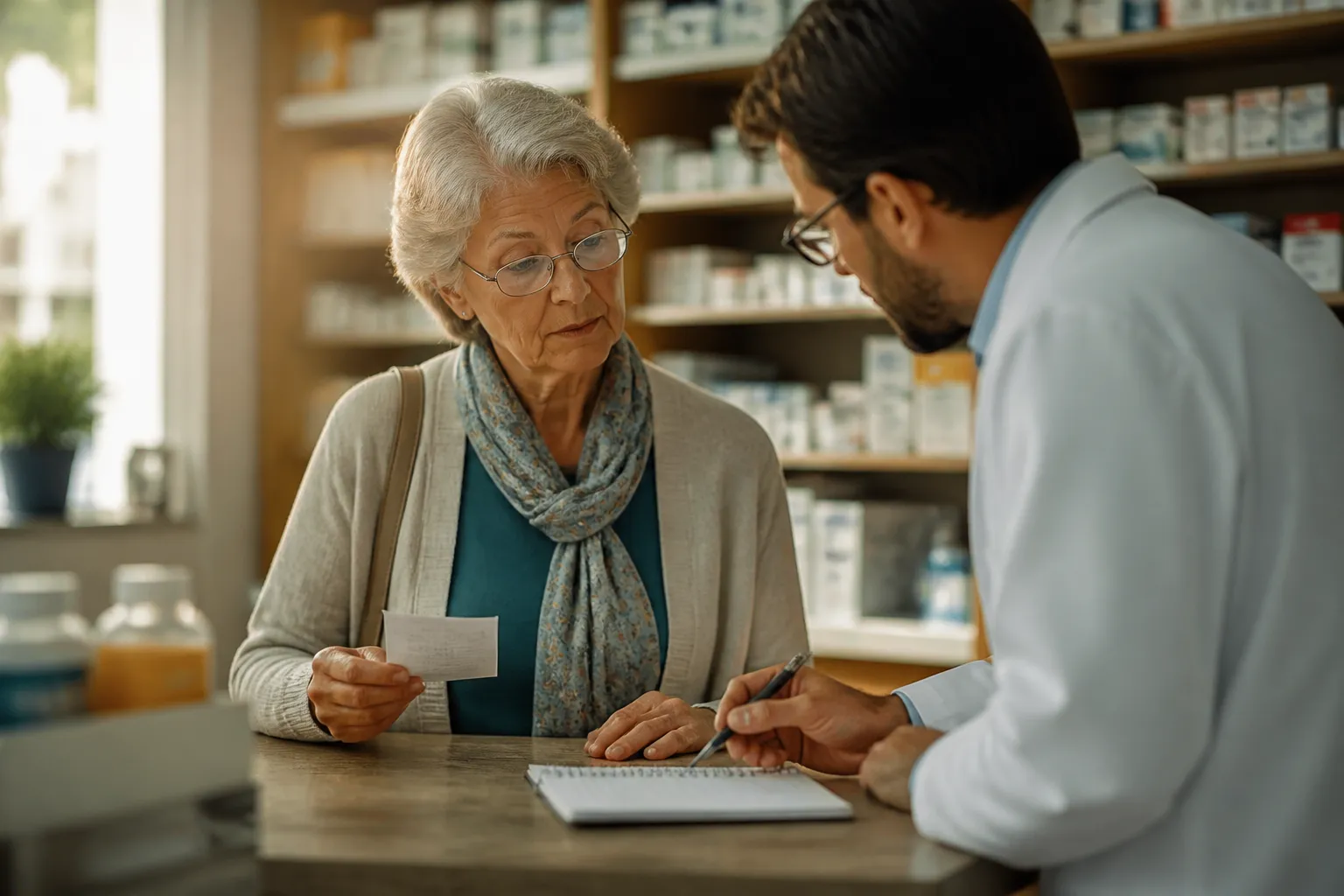
Picture a neighbor standing at a pharmacy counter, holding a slip of paper, watching the number on the screen climb. No insurance card to hand over. Just the full price. If that has been you, you are in good company, and there are steady, ordinary ways to bring the number down. This guide walks through them, gently and without hype.
Why generics are the first place to look
Before you pay for a brand-name medicine, ask your prescriber or pharmacist one simple question: is there a generic? The FDA says generic medicines must match their brand-name counterparts in dosage, safety, effectiveness, strength, stability, and quality. Applicants have to show the generic can be substituted for the brand with the same clinical benefit.
The savings can be real. The FDA notes that nearly 80% of US prescriptions are filled with generics. One commercial health blog puts the average discount at 80% to 85% less than brand-name versions. Treat that as an average, not a price you will be quoted. Cost varies by drug, by pharmacy, and by state, and the sources behind this guide do not list cash prices for particular medicines. The only way to know is to ask pharmacies near you.
There is one small caution. Generics must deliver 80% to 125% of the brand's blood concentration levels, and the inactive ingredients, such as fillers, dyes, and preservatives, may differ. Most people never notice. Now and then a sensitive person does. If you have reacted to a medicine before, mention it when a generic is offered.
How prices are set when you have no insurance
With insurance, a plan often steers you toward generics through tiered copays and may require prior authorization for brand drugs. Without a plan, those tiers do not exist. You usually pay the cash price, and the gap between brand and generic lands entirely on you. One blog suggests brand copays can run three to five times higher than generic copays under insurance. That figure is unverified, so please hold it loosely.
Patents explain much of the gap. They typically last about 20 years from filing. After they expire, other makers can seek FDA approval to sell generic versions. You will also see large research-cost figures quoted for new drugs, often in the billions. Those estimates vary widely, so I would not lean on any single number.
Programs and assistance to ask about
One federal program worth knowing by name is the 340B Drug Pricing Program, which lowers drug prices for certain eligible providers, including community health centers. What I could not confirm is whether an uninsured patient can use that pricing directly. So if you visit a community clinic, ask whether it takes part in 340B and whether its pharmacy or sliding-fee program can lower your bill.
Discount cards, manufacturer assistance programs, and price-comparison tools are also worth asking about, though the sources here do not cover them. If you try one, read the terms, look for fees, and find out how your information will be used. And if no generic exists for your medicine, ask your prescriber whether a lower-cost option could work for your condition. That is a conversation for a licensed professional, not a guess.
How to buy safely online
Online pharmacies can cost less, but some sites that look like pharmacies are unlicensed and unsafe. The FDA's BeSafeRx campaign advises buying only from state-licensed online pharmacies, and it offers a tool to help you find one. Talk with your doctor about any prescription medicine you plan to order online.
Before you buy, ask a few things:
- Does the pharmacy require a prescription from a doctor?
- Does it list a US street address and a telephone number?
- Can a pharmacist answer your questions?
- Is it licensed with your state board of pharmacy?
Red flags to watch for
Some warning signs are easy to spot once you know them. Be wary of sites that sell drugs with no prescription, prices that seem too good to be true, and unsolicited emails offering cheap medicine. Pharmacies outside the United States, or not licensed here, carry more risk.
The worry is not only price. Unsafe sites may sell counterfeit, contaminated, expired, or substandard drugs, and they may misuse your personal and financial details. Medicine from unknown sources can have different ingredients or cause new side effects. If an order feels off, stop. Call your prescriber or pharmacist, and consider reporting it to your state board of pharmacy or the FDA.
This is general information, not medical, legal, or financial advice. A licensed pharmacist or doctor can tell you what fits your situation, and asking them is a perfectly good first step.
Please seek a professional. This article is general information, not medical advice. Please seek a doctor or other qualified health professional about your own situation. In an emergency, call 911 or your local emergency number.
Sources
Still have a question?
Related guides
-

Why Your Pharmacy Bill Changes by Drug
How formularies, tiers, step therapy and prior authorization decide what you pay, and what to ask before a prescription is filled. By Walter Pemberton
-

Before You Book: How to Check a Ghost Network Listing
A directory can say a specialist takes your plan when the office no longer does, so verify with both the plan and the provider before your appointment.By Walter Pemberton
-

Is a Catastrophic Health Plan Right for You?
A low-premium Marketplace option can protect against worst-case medical bills, but you carry more of the cost until the high deductible is met.By Lorraine Whitcombe