What a Sleep Study Really Costs, and How to Find Out Before You Agree
Setting, insurance, and the type of test all shape the final bill, so asking the right questions early can save you a surprise.
 By Walter Pemberton ·
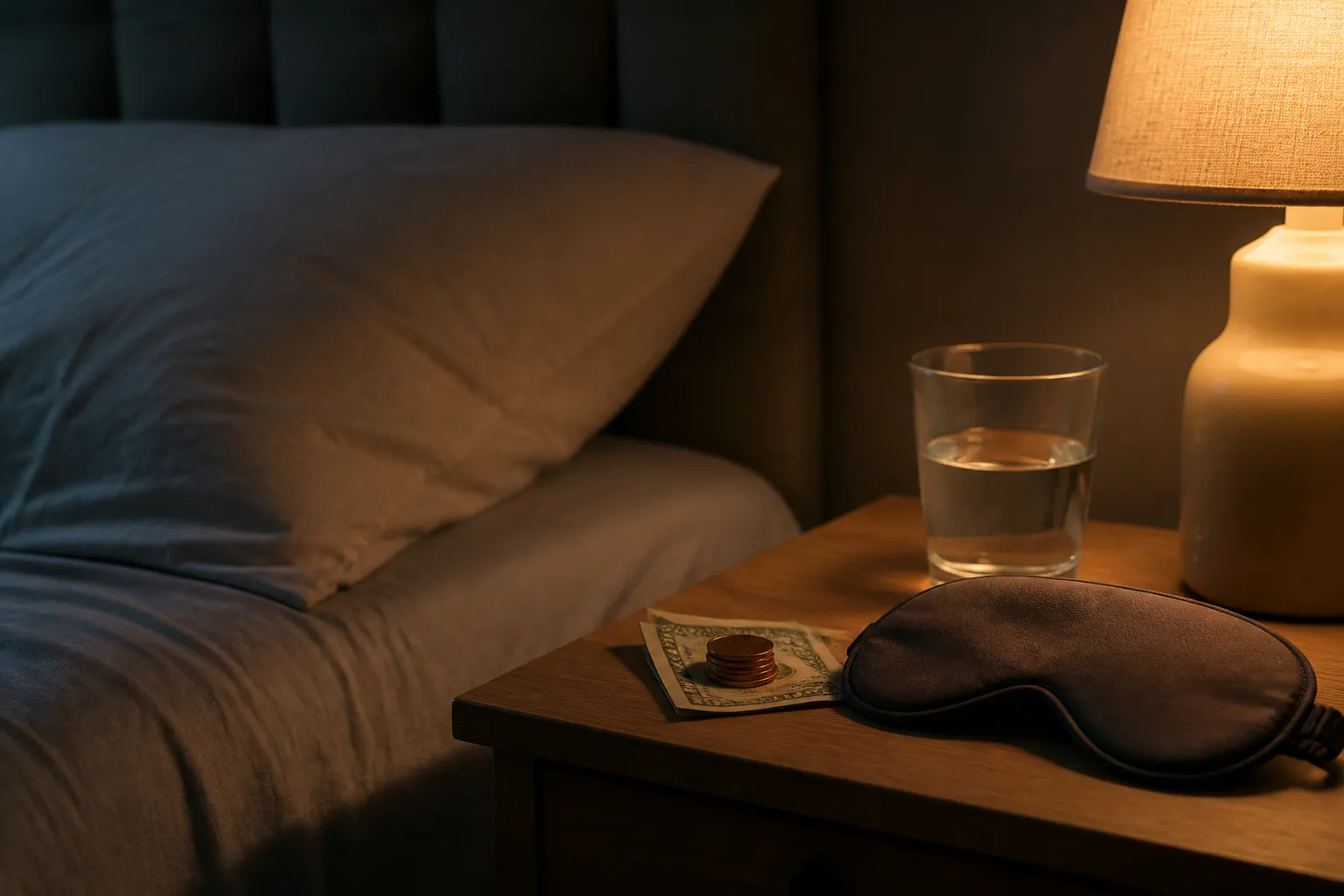
A neighbor of mine once told me she put off her sleep study for almost a year. She was not afraid of the test. She was afraid of the bill, and she could not get anyone to tell her a number. That is a common story, and it is a fair worry. This guide walks through how sleep study costs work, how a home test differs from a sleep center test, and what to ask before you agree to either. It is general information only, not medical, legal or financial advice, so please check your own situation with a licensed professional.
Two people can have the same test and owe different amounts. The setting, the doctor, and the insurance all change the bill.
What a sleep study is and why doctors order one
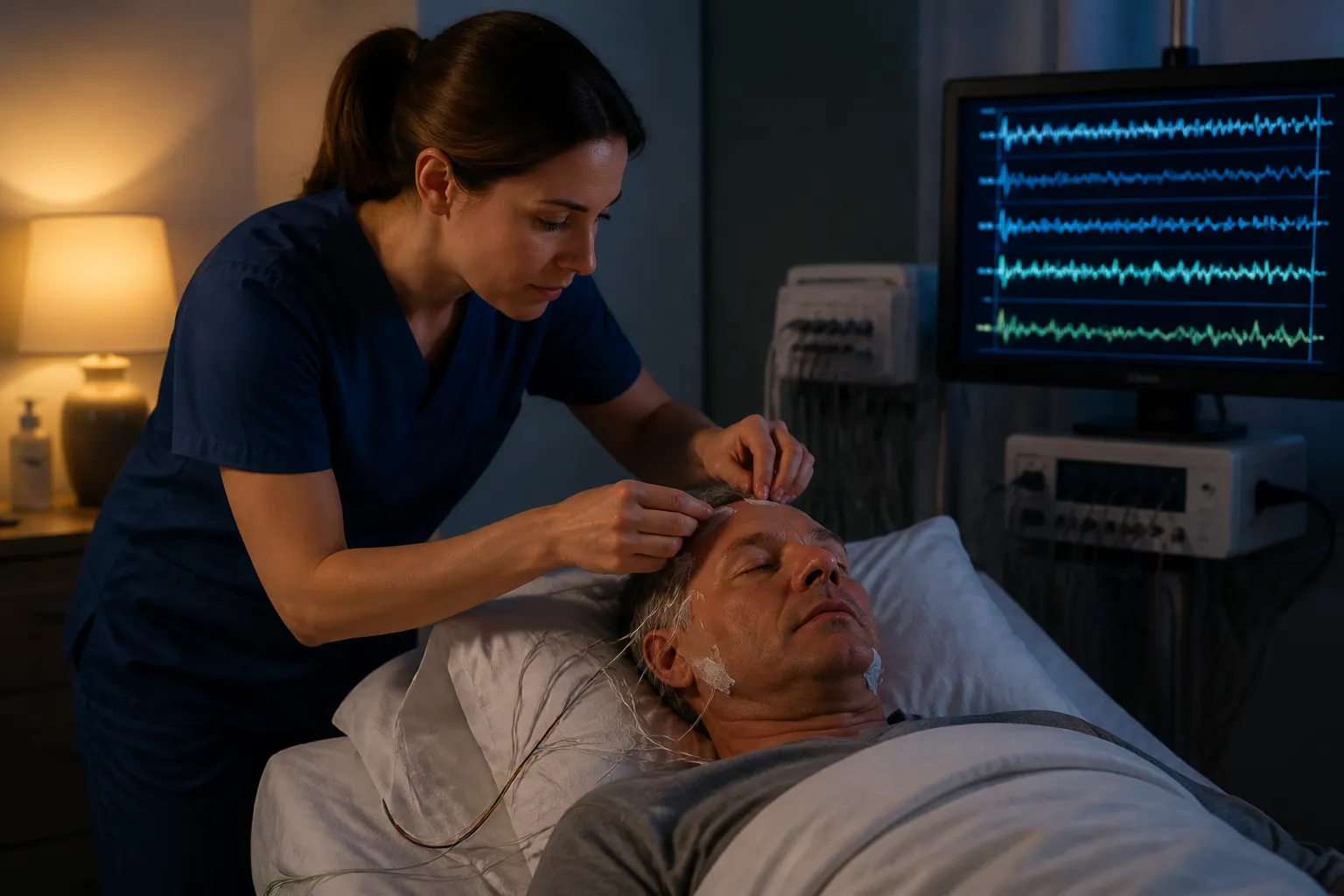
A sleep study, sometimes called polysomnography, is a painless test. It measures how well you sleep and how your body responds to sleep problems. The most common version records brain waves and watches your heart rate, breathing, and blood oxygen through a full night, according to the National Heart, Lung, and Blood Institute.
Doctors order these tests to answer a specific question. Sleep apnea is the usual one. The same family of tests can also help with seizure disorders, movement disorders, narcolepsy, and sometimes restless legs syndrome. It is not a routine screening that everyone gets.
There are other kinds too. A multiple sleep latency test checks how fast you fall asleep during daytime naps. A maintenance of wakefulness test checks how well you stay awake. Activity monitors can be worn at home for days, and sometimes weeks.
How Medicare pays for sleep tests
Medicare Part B covers Type I, II, III, and IV sleep tests and related devices, if you are eligible. Eligibility generally means you have clinical signs and symptoms of sleep apnea, and a doctor or other health care provider has ordered the test. You can read the plain-language version on the Medicare sleep studies page.
Once you have met the Part B deductible, you typically pay 20% of the Medicare-approved amount. That is a share of the approved amount, not of whatever the provider lists as a sticker price. It is a small distinction that matters when you read a bill.
One rule shapes the choice of setting. Medicare covers Type I tests only when they are done in a sleep lab facility. So the place of testing can change what you pay.
What you actually owe also depends on other insurance you carry, how much the doctor charges, whether the doctor accepts assignment, the type of facility, and where the test is done. If you have a supplement or a Medicare Advantage plan, ask how it fits in.
Sleep center test versus home test
A sleep center test usually runs overnight. Removable sensors go on your scalp, face, eyelids, chest, limbs, and a finger. You sleep in a room set up for the test, with staff nearby. A home test uses a portable device and is generally simpler, though it is not right for everyone.
Here is the part many people miss. Your doctor decides whether you need a sleep center test or can use a portable device at home. The clinical picture drives that decision, not convenience alone. If a home test appeals to you, say so, and then ask whether it fits your situation.
The American Academy of Sleep Medicine has published a position statement on home sleep apnea tests. It also has a guidance statement on using lab and home tests for ongoing management of obstructive sleep apnea in adults. Patient-friendly information is on the Sleep Education home test page.
I should be honest about limits. The sources I reviewed do not compare accuracy, outcomes, or total cost between home and lab tests. They also do not spell out which patients are poor candidates for a home test. Your doctor is the right person to answer that for you.
Cost ranges and what needs verifying
This is where I wish I could hand you a tidy number. The sources I reviewed give no dollar amounts for sleep studies or home tests, and no state-by-state ranges. I would rather say that than guess. Cash prices in the US vary widely by state, provider, facility type, and insurance, and a lab test generally costs more than a home device. Ask for a written estimate for your exact test rather than trusting a general range.
Private insurance is its own question. Coverage rules, prior authorization, in-network requirements, and out-of-pocket costs for home tests were not covered in the material I reviewed. Please do not assume Medicare terms apply to your plan. Call the number on your insurance card and ask.
Financial assistance may exist through providers or patient groups. I could not confirm details of any specific program, so I will not describe one. Ask the billing office what help is available.
Questions to ask before you schedule
Bring a notepad. Few people think of everything in the moment. These questions are a good start:
- How much will the test cost, and what will Medicare or my plan actually cover?
- Must this test be done in a sleep lab, since Medicare covers Type I tests only there?
- Is a home test appropriate for me, and why or why not?
- Does the doctor accept assignment, and what type of facility will be used?
- Why is this specific service being recommended?
Watch for one red flag. Doctors may recommend services Medicare does not cover, or order them more often than needed, and that can lead to extra costs. If something sounds unfamiliar, ask for the reason in writing before you agree. A good office will not mind. And if the answers leave you unsure, a licensed professional can help you sort out your own coverage.
Please seek a professional. This article is general information, not medical advice. Please seek a doctor or other qualified health professional about your own situation. In an emergency, call 911 or your local emergency number.
Sources
- Sleep Studies
- Sleep studies and Medicare: When are they covered?
- Sleep Studies - Sleep Studies | NHLBI, NIH
- Sleep Science and Sleep Disorders | NHLBI, NIH
- Home Sleep Apnea Test - Sleep Education by AASM
- https://vertexaisearch.cloud.google.com/grounding-api-redirect/AUZIYQGFSykbBRxdJhsLU_zFPIbzvIqUSGQ13KDlZhqUb-QE7h1CXwxkqLjR7F91j4t_YcJFRifVIUDmtNrYOVgcKowF6WPfLqK8teLs76zqeXcWmKWTo5vDYD4hUndME0KrrGzWYIjIU3Bwys3FPusBCDPNf28amWxNiuYuH7SNBnadkeFRiIgB8fZ4jd-69o-znJDvkykAcjHmSauQ5Q==
- Clinical Use of a Home Sleep Apnea Test: An American Academy of Sleep Medicine Position Statement - PMC
- Use of polysomnography and home sleep apnea tests for the longitudinal management of obstructive sleep apnea in adults: an American Academy of Sleep Medicine clinical guidance statement - PMC
Still have a question?
Related guides
-

Why Your Pharmacy Bill Changes by Drug
How formularies, tiers, step therapy and prior authorization decide what you pay, and what to ask before a prescription is filled.By Walter Pemberton
-

Before You Book: How to Check a Ghost Network Listing
A directory can say a specialist takes your plan when the office no longer does, so verify with both the plan and the provider before your appointment.By Walter Pemberton
-

Is a Catastrophic Health Plan Right for You?
A low-premium Marketplace option can protect against worst-case medical bills, but you carry more of the cost until the high deductible is met. By Lorraine Whitcombe