What Botox Really Costs, and Who Should Be Holding the Syringe
Prices are per unit, rules differ by state and license, and a few checks before you book can save you money and worry.
 By Priya Ranganathan ·
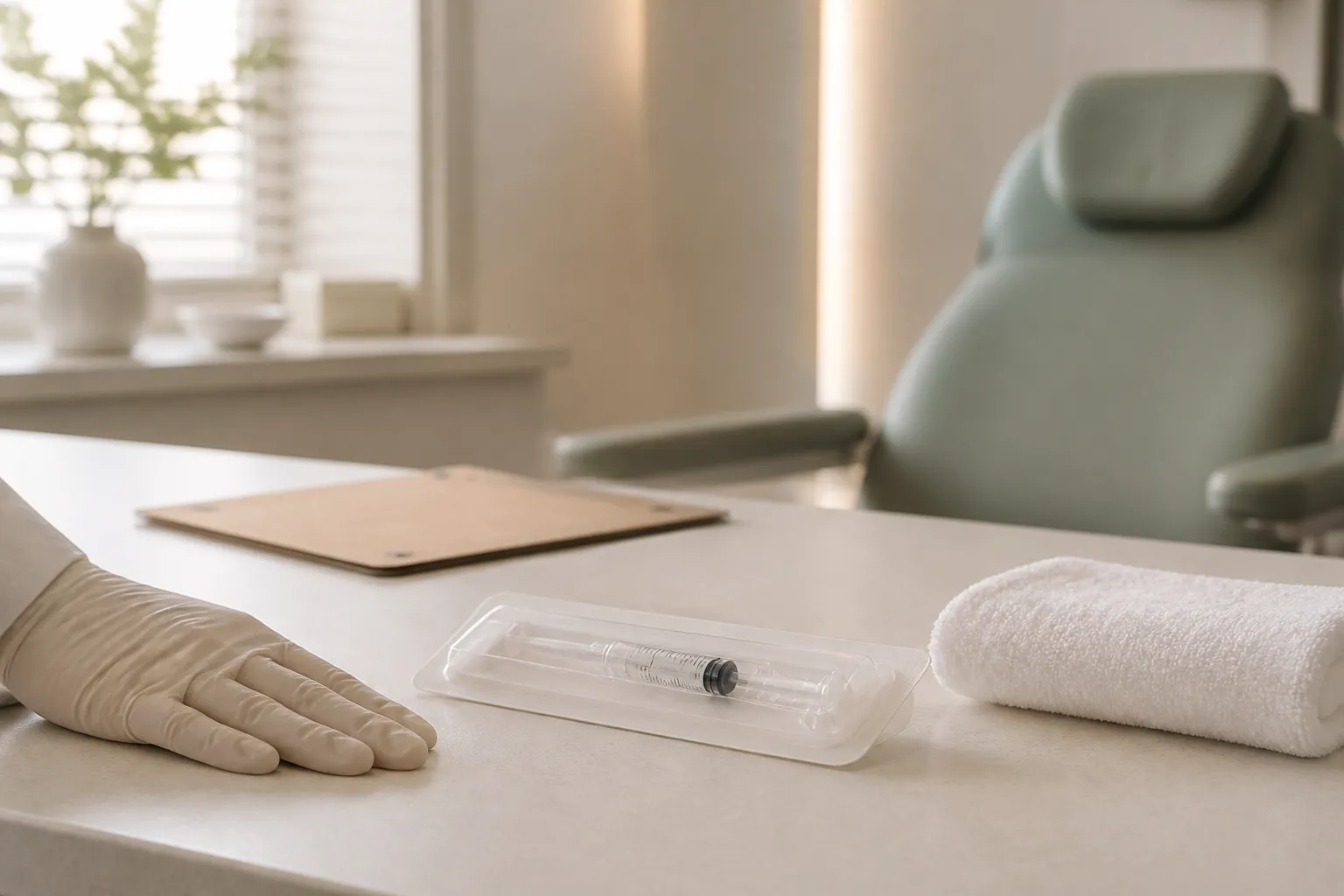
Picture a neighbor who has been thinking about Botox for a year. She finally calls a place that advertises it, asks the price, and hears a number that means nothing to her. Is it per shot? Per area? Who is holding the syringe? Those are fair questions, and they are worth sorting out before you book. This is general information only, so please check anything that touches your own health with a licensed professional.
What Botox and med spa treatments typically cost
The American Society of Plastic Surgeons reports an average cost of about $435 for botulinum toxin injections. That is a national average from a professional body. It is not a quote, and it will not match every appointment in your town. Prices vary by state and by where the provider is located, so treat the figure as a rough starting point.
You may also see an older number online: about $10 to $15 per unit, and 30 to 40 units for a typical cosmetic treatment. That comes from a 2019 survey cited on a provider's own marketing page, and the same page says prices have risen since. Use it loosely. Current, state-by-state prices are not well documented in the sources I could find.
So the practical move is simple. Get a written estimate from more than one qualified provider, and compare them on the same basis: the product, the number of units, and the areas treated.

What drives the final price
Botox is priced per unit of product, not per injection. A provider might use many small injections or a few, and the bill follows the units, not the pokes. How many units you need depends on how deep or advanced your lines are and how many areas are treated. Common ones are frown lines, forehead lines, crow's feet, neck bands, and masseter-related concerns. Two people treated in the same spots can pay different amounts because they need different amounts of product.
Experience plays a part too. A surgeon's or physician's fee may reflect training, qualifications, and the time and care involved. A low price is not automatically a bargain, and a high one does not promise good results.
Results are temporary. The effect wears off, so treatments are repeated. Ask how often you will likely need them, and what a full year would cost. The per-session price alone can mislead.
Who is allowed to inject Botox
Botox and similar products are FDA-approved prescription drugs. Injecting them counts as practicing medicine, so only licensed medical professionals acting within their legal scope may do it. The FDA approves the product. Each state decides who may prescribe, administer, and supervise it.
According to a 2026 state-by-state guide, physicians may inject in all 50 states. Physician assistants generally inject under a physician's delegation. Nurse practitioners can practice independently in 27 full-practice states plus D.C., and elsewhere need a written agreement with a physician. Registered nurses may inject under a prescriber's good-faith exam and order, but they cannot perform that exam themselves.
Estheticians, medical assistants, pharmacists, and unlicensed owners are not permitted to inject Botox in any state, per the same guide. Licensed practical nurses are the least uniform group. A few states, including North Carolina, Kentucky, Washington and South Dakota, expressly allow it under supervision. Others, including Arkansas, California, Florida, Georgia and Nevada, expressly do not. Most states have not addressed it. Rules change often, so confirm the current one yourself.
How to check qualifications and what to ask
Start with a plain question: who will inject me, what license do they hold, and which state issued it? Then confirm that license type may inject in your state. Your state medical board and board of nursing are the authoritative places to check, and many lookup tools show disciplinary history. The legal summaries I used are secondary sources, so the regulator has the last word.
If the injector is a nurse practitioner, physician assistant, or registered nurse, ask whether they work under physician delegation or a written agreement, and whether your state requires one. Ask who supervises them and how a physician is reached if something goes wrong.
- How is the price set: per unit, per area, or per session, and how many units are planned?
- What product is used, and how is it sourced and stored?
- What is the injector's experience with this treatment?
- What supervision and emergency protocols are in place?
- Is any follow-up included in the price?
Dermatologists commonly inject Botox because they are physicians trained in skin and anatomy. Even so, judge the individual, not just the title. Ownership can matter as well. A medical spa is a branded term for a medical practice, and state rules on who may own one vary. Ask who is responsible for clinical decisions.
Red flags to watch for
Be cautious if anyone other than a properly licensed medical professional offers to inject you. That includes estheticians, medical assistants, pharmacists, and unlicensed staff. Be wary too if a nurse is injecting without the supervision or agreement your state requires, or if no one can say clearly who supervises them.
Vague pricing is another signal. If a provider will not tell you the units, the product, or how the total is figured, you cannot compare quotes or judge the plan. Be careful with online sites and training companies that state rules with great confidence and cite no regulator. The 2026 guide warns that several are simply wrong.
If the business structure seems odd, or questions about ownership get brushed aside, check with your state boards before you go ahead. This article is general information, not medical, legal, or financial advice. For your own treatment, talk with a licensed clinician and confirm current rules with your state regulators.
Please seek a professional. This article is general information, not medical advice. Please seek a doctor or other qualified health professional about your own situation. In an emergency, call 911 or your local emergency number.
Sources
- Botulinum Toxin Cost | American Society of Plastic Surgeons
- How Much Does Botox Cost?
- Botulinum toxin therapy: FAQs
- Can a Dermatologist Inject Botox? Provider Rules Explained
- What Are the Rules for Who Can Inject Neurotoxins? - American Med Spa Association
- Medical Spa Laws - American Med Spa Association
- Who Can Own a Medical Spa: Unpacking MSOs - American Med Spa Association
- Who Can Inject Botox by State and Role: 2026 Guide
Still have a question?
Related guides
-

Why Your Pharmacy Bill Changes by Drug
How formularies, tiers, step therapy and prior authorization decide what you pay, and what to ask before a prescription is filled. By Walter Pemberton
-

Before You Book: How to Check a Ghost Network Listing
A directory can say a specialist takes your plan when the office no longer does, so verify with both the plan and the provider before your appointment.By Walter Pemberton
-

Is a Catastrophic Health Plan Right for You?
A low-premium Marketplace option can protect against worst-case medical bills, but you carry more of the cost until the high deductible is met. By Lorraine Whitcombe