Choosing a Hazardous Waste Disposal Company: Who Stays Responsible and How to Vet a Provider
Hiring a hauler does not transfer your legal liability, so this step-by-step guide shows how to check a provider's permits, manifests and compliance record before you sign.
 By Neil Ostrander ·

Who is on the hook if the truck you hired dumps your drums in the wrong place? You are, at least in part. That surprises many business owners, shop managers and property managers, and it is the reason this guide exists. Below is a step-by-step way to pick a hazardous waste disposal company, with the checks that protect you if something goes wrong. It is general information, not legal or financial advice, so a licensed professional should review your specific situation.
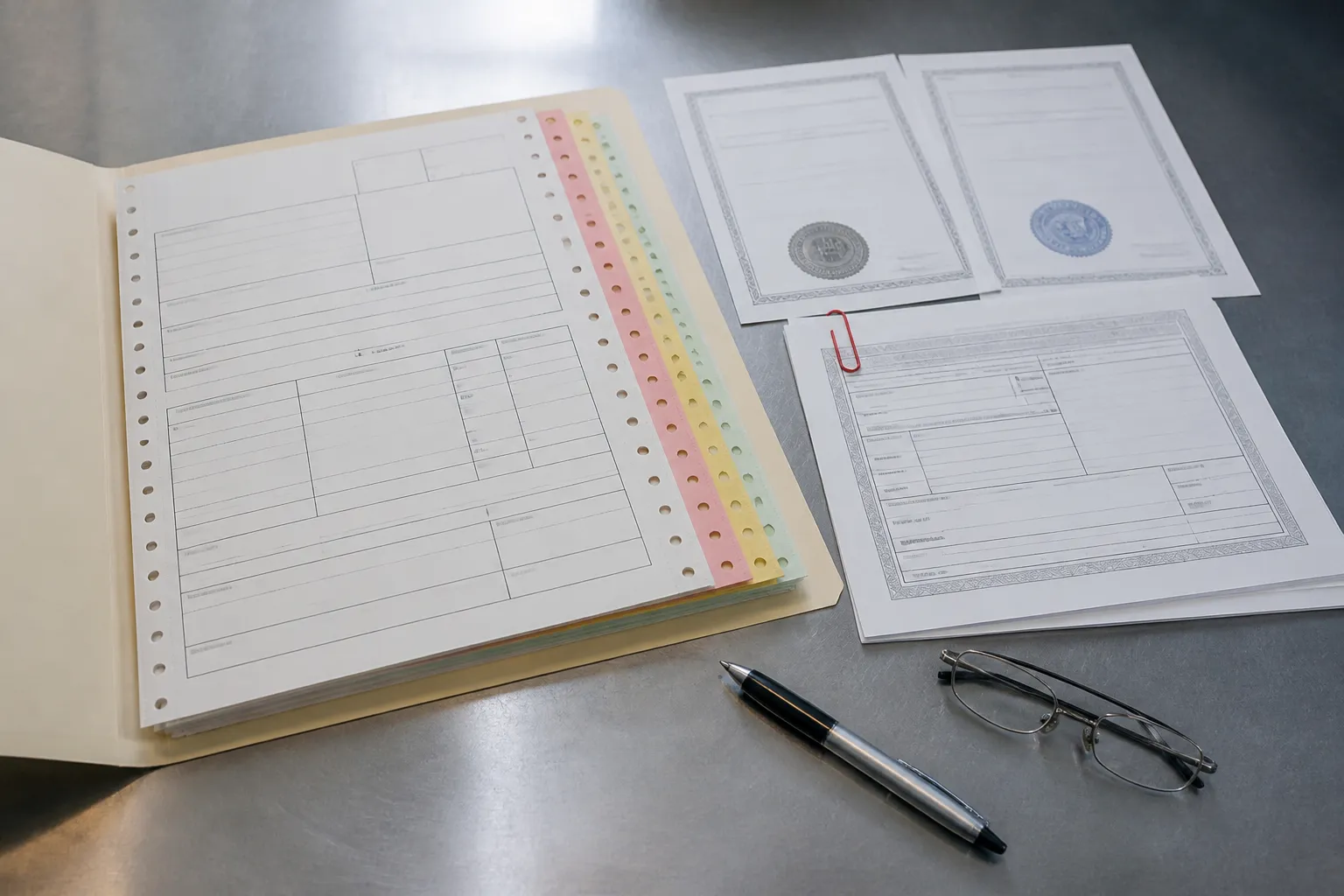
Hiring a provider does not hand off your legal responsibility. The generator stays liable from creation to final disposal.
Why the generator stays responsible
Under the federal Resource Conservation and Recovery Act (RCRA), EPA controls hazardous waste from the moment it is created to its final disposal. People call this cradle-to-grave. It covers generation, transportation, treatment, storage and disposal, and the rules sit in 40 CFR parts 239 through 282, which are legally enforceable. If the company you choose mishandles the material, you can still face cleanup costs, fines and legal action.
Superfund (CERCLA) adds a stricter layer. Liability there is retroactive, joint and several, and strict. In plain terms, a party that sent hazardous waste to a site can be liable even if it was not negligent. The liable classes include generators, parties that arranged for disposal or transport, and transporters that selected the site.
So treat hiring as risk management. The provider's compliance record is part of your own legal protection, not a formality.
Know your generator category first
Before you call anyone, work out how much hazardous waste you make in a month. That number sets your federal category, and the category sets your paperwork and handling duties. Here is how the three tiers break down:
- Very small quantity generators: 100 kg or less per month, or 1 kg or less of acute waste. They may not accumulate more than 1,000 kg at any time and do not obtain an EPA ID number.
- Small quantity generators: more than 100 kg but less than 1,000 kg per month. They must obtain an EPA ID number.
- Large quantity generators: 1,000 kg or more per month. They also must obtain an EPA ID number.
Most states run their own authorized RCRA program, and state categories can differ from the federal ones. Some states add requirements or set stricter standards, so check with your state regulatory agency. Whether a small business or household is treated differently from a large generator depends on these categories and your state, so confirm it locally.
What will it cost? The federal sources give no dollar figures, and real prices vary widely by state, waste type, volume and pickup frequency. Ask each company for a written, itemized quote based on the same waste profile, so you are comparing like with like.
How transport and tracking work
Hazardous waste transporters move material by highway, rail, water or air from your site to a facility that can recycle, treat, store or dispose of it. Transporter rules are in 40 CFR part 263, developed jointly by EPA and the U.S. Department of Transportation. An off-site transporter must hold an EPA ID number, and it may not move hazardous waste without one. The number belongs to the company, not to each truck, so you verify it at the company level.
The manifest is the paper trail. EPA's manifest system tracks the waste from your site until it reaches the off-site facility that will store, treat or dispose of it. Your part is making sure the waste goes only to a person or facility authorized to manage it. Delivery to an unauthorized facility keeps you exposed.
Profiling matters too. Waste characterization determines how the material must be handled, transported, treated and disposed of. A company that cannot characterize your waste stream before touching it is a warning sign.
How to vet a provider before you sign
Work through these checks in order, and keep copies of everything:
- Search the company in EPA's Enforcement and Compliance History Online database, and look at the record over time rather than one snapshot.
- Ask for current permits and insurance that cover your specific waste types, and verify them directly instead of trusting a summary.
- Confirm the EPA ID number for any off-site transport.
- Ask which facility will receive your waste, and confirm that facility's permit status with the regulator. The sources only outline this step, so ask your state agency how to do it.
Then put your questions in writing:
- Does the company hold an EPA ID number for transport?
- Can it profile your waste before handling?
- What is its compliance and enforcement record?
- Does it hold current permits and insurance?
- Which manifest steps will it complete, and who receives the final copy?
Red flags and what to settle with a professional
Be wary of a transporter with no EPA ID number, since it cannot legally move hazardous waste. Be wary of any plan that sends your waste to a facility you cannot name or verify. Be most wary of the unusually cheap bid from a company with no verifiable compliance history. A low price can leave you holding the cleanup costs and fines if corners get cut.
A few gaps are best closed with a lawyer or your regulator: contract terms, indemnification clauses, minimum insurance amounts and state manifest program rules. Contract language deserves review by qualified counsel before you sign. A short call now costs far less than a Superfund letter later.
Sources
- Resource Conservation and Recovery Act (RCRA) Overview | US EPA
- Hazardous Waste Generator Regulatory Summary | US EPA
- Categories of Hazardous Waste Generators | US EPA
- Hazardous Waste Transportation | US EPA
- Hazardous Waste Transportation | Hazardous Waste | US EPA
- Superfund Liability | US EPA
- Enforcement and Compliance History Online | US EPA
- Hazardous Waste Removal Companies: How to Choose?
Still have a question?
Related guides
-

Fixed or Variable: How to Choose a Business Electricity Contract Without Getting Caught Out
A practical checklist for comparing quotes, avoiding the costly rollover to a deemed rate, and asking the right questions before you sign. By Renata Okafor
-

What Happens to Your Business Energy Bill When the Contract Ends
Letting a fixed-term energy contract lapse can quietly move your account to a much higher default rate, so knowing your end date, opt-out deadline and state rules matters.By Neil Ostrander
-

How to Read a Commercial Electric Bill, Section by Section
Supply, delivery and demand charges each answer a different question, and knowing which is which helps you spot errors and compare providers on total cost. By Gideon Aldaine