Choosing a Heating Oil or Propane Supplier: Questions Beyond the Per-Gallon Rate
A step-by-step checklist for comparing commercial fuel suppliers on storage rules, pricing benchmarks, delivery commitments and industry credentials, not just the price per gallon.
 By Neil Ostrander ·
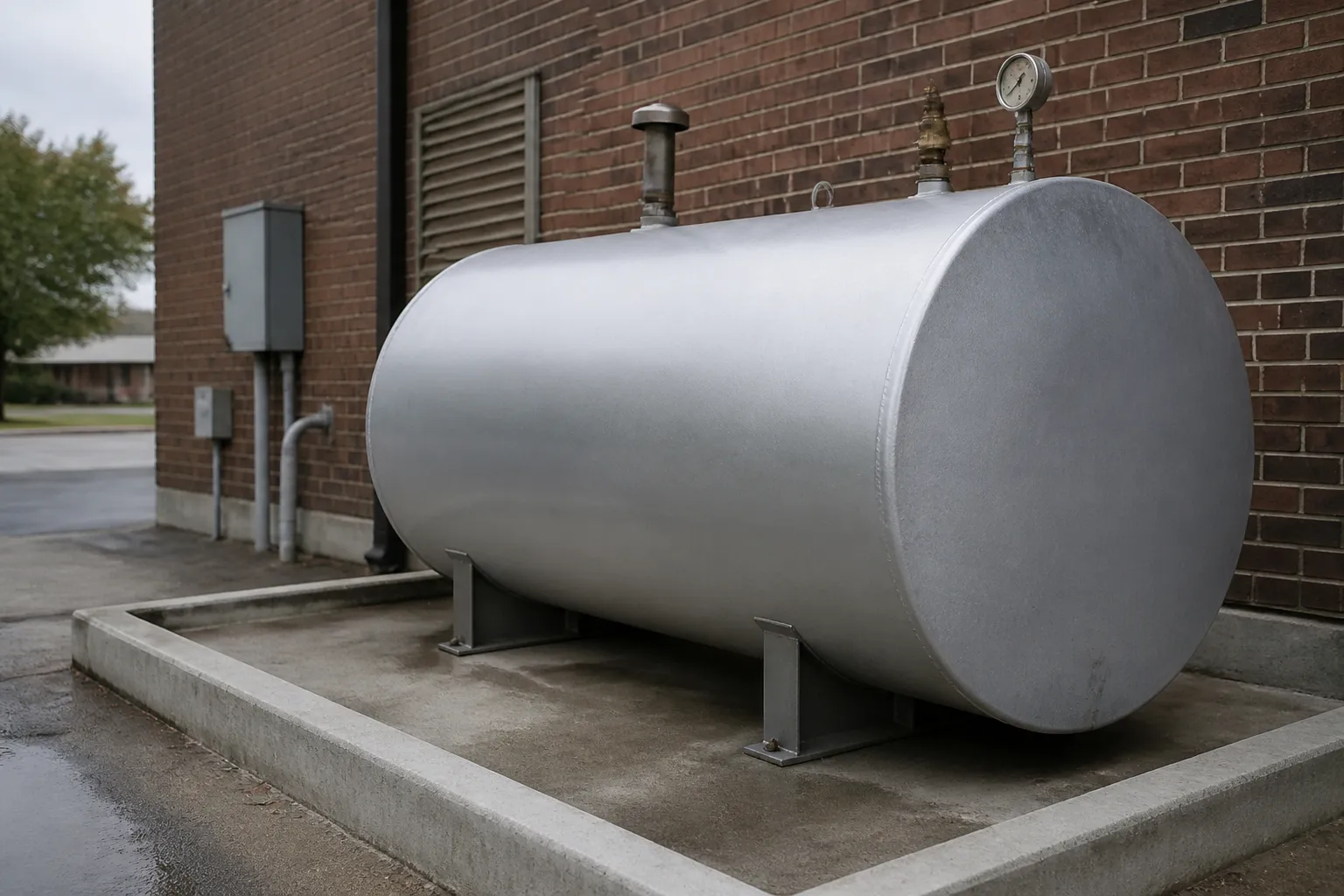
Who is going to fill your tank in January, and what will they charge when they do? Most commercial buyers ask about the per-gallon rate and stop there. This guide walks through the larger set of questions, in order, so you can compare suppliers on more than one number. It is general information, not legal, financial or compliance advice, so check the details with a licensed professional in your state.
Heating oil and propane come from independent dealers, not utility networks, so you have to vet each supplier yourself.
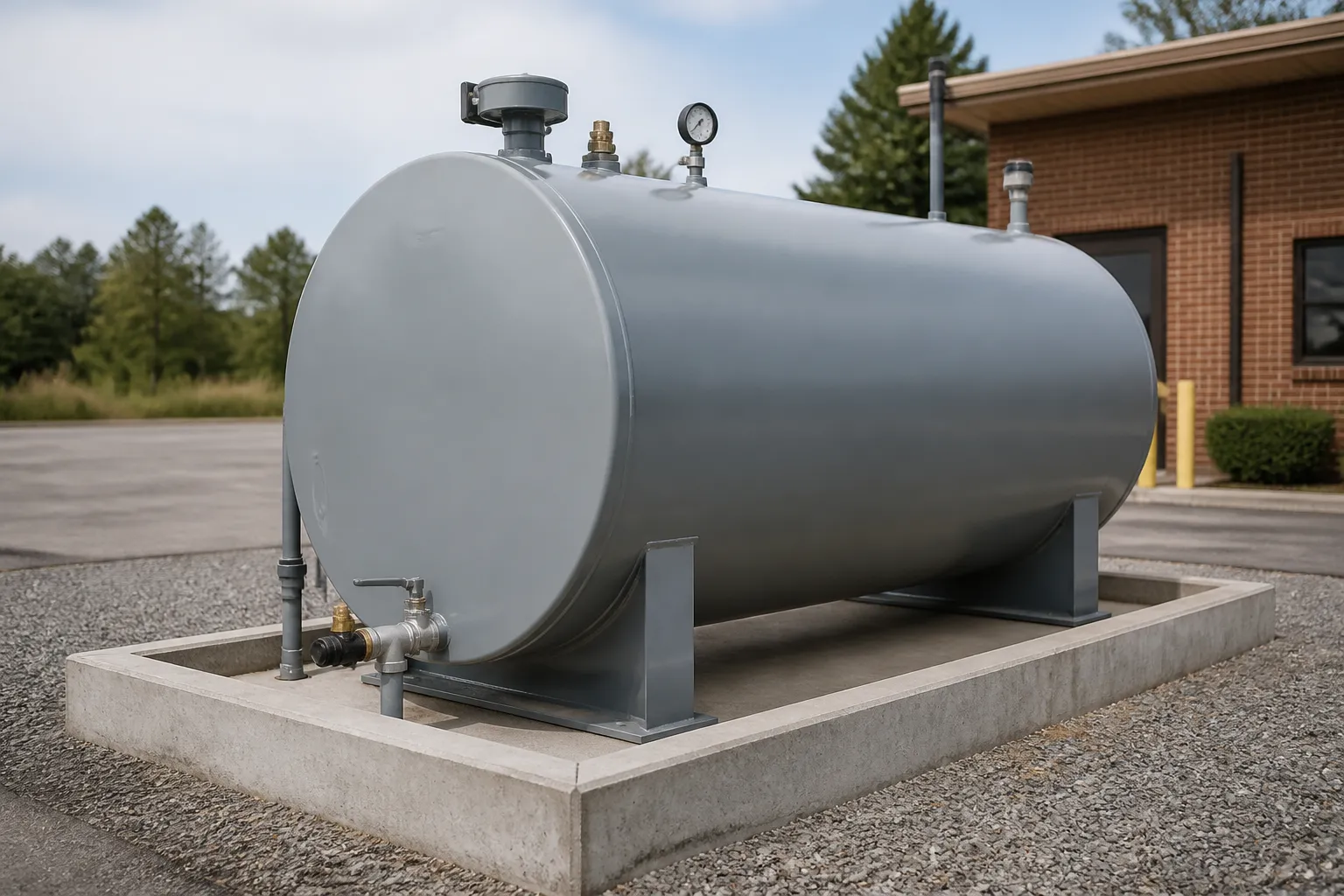
Why supplier choice matters for commercial buyers
Natural gas usually arrives through a utility. Heating oil and propane do not. They are sold by independent dealers, and the U.S. Energy Information Administration notes that both dealers and customers face real supply and price uncertainty. That puts the burden of evaluation on you.
Company size varies a great deal. The National Energy & Fuels Institute describes most of its members as small, family-owned liquid heating fuel distributors that serve both wholesale and retail customers. You may be choosing between a one-town operation and a regional distributor, and each has different strengths.
Timing matters too. Prices tend to rise during the October-through-March heating season, especially in the Northeast and Midwest. So contract terms and when you sign can matter as much as the base rate. Your region shapes the questions as well. New England leans heavily on heating oil, with 41.8 percent of homes using it as their main space-heating fuel in the 2009 survey EIA cites. About 8.1 percent of Midwest homes use propane for the same purpose.
Understanding the fuels and how pricing works
The two fuels behave differently. Heating oil is a petroleum distillate. Propane is a hydrocarbon gas liquid, stored and transported under pressure as a liquid. That difference drives tank design, handling and the rules that apply, which is why you should not assume one supplier's answers carry over to the other fuel.
Dealers set prices from their own costs and the wholesale market. Two suppliers in the same town can quote different rates for the same week. That is normal, and it is the reason to compare.
A useful benchmark exists. EIA's State Heating Oil and Propane Program phones 515 heating oil dealers and 645 propane dealers every Monday during the heating season and publishes prices on Wednesdays. It covers 22 states for heating oil and 24 for propane, mainly in the Northeast and Midwest. If you are in one of those states, line up each quote against the published state or regional average for the same fuel and week. Outside them, you will need another reference point, such as quotes from several local suppliers.
Checking storage and spill-prevention obligations
Before you talk to a supplier, know your own tank totals. Federal Spill Prevention, Control, and Countermeasure (SPCC) rules depend on how much oil you store and whether a spill could reasonably reach navigable waters. According to the EPA, the rule can apply to a facility in two main cases:
- Total aboveground oil storage capacity is more than 1,320 gallons. Containers under 55 gallons, permanently closed containers, motive power containers and wastewater-only containers do not count.
- Total completely buried storage capacity is more than 42,000 gallons. Tanks fully covered by the underground storage tank rules in 40 CFR 280 and 281 are excluded.
These thresholds decide who must have a spill plan, so add up your containers first. The EPA's page on SPCC applicability is a good place to check: EPA SPCC applicability. One caution. The sources reviewed address oil only and do not say whether SPCC applies to propane storage. Confirm that with the EPA or a qualified professional.
Questions to ask and red flags to watch for
Put these to every supplier on your shortlist, and ask for answers in writing:
- Do my aboveground and buried tank capacities put me under SPCC, and how do you handle spill planning if they do?
- How do you set prices, and do they track the regional weekly survey data?
- What are your delivery schedule and supply commitments from October through March?
- Do you belong to a trade association, and what safety or training programs do you follow?
On that last point, membership in a group such as the National Energy & Fuels Institute or the National Propane Gas Association signals industry participation. It does not guarantee quality, so treat it as one data point.
Watch for two warning signs. The first is pricing that drifts well away from the normal seasonal pattern with no clear market reason. The second is a vague answer about tank capacity or spill rules. Those thresholds are specific and checkable, so a fuzzy reply tells you something.
What this guide does not yet cover
The research behind this piece has gaps, and you should fill them before signing. Current per-gallon commercial prices, and how much they vary by state, are not included. Look at the current state-level data from EIA's heating oil and propane program, such as the program overview.
Ask each supplier to put these items in writing, since none are covered here:
- Contract terms, payment methods and credit requirements
- Price-hedging options
- Delivery minimums and tank rental terms
Propane storage and handling rules, such as NFPA 58, also need separate verification, along with state licensing, fire code inspections and insurance. So does checking a supplier's license and complaint history with your state regulators. A licensed professional in your state can help with each of these.
Sources
- Supporting Liquid Heating Fuel Distributors | National Energy & Fuels Institute, Inc.
- Home | National Propane Gas Association | Delivering Value Through Advocacy
- Does the Spill Prevention, Control, and Countermeasure (SPCC) Rule Apply to Your Facility? | US EPA
- https://vertexaisearch.cloud.google.com/grounding-api-redirect/AUZIYQGnL9yxYfj37_WgURCN0fbBjSXtFigHwQuklcilvPCph5KygGM4zZDlxq6OWe1ZmW_sLYz4U_cBDolwFHmko-kdlWQ8pZIAoSlDmWwjcW8aug9gjdJwordsHpPdC7VXBD_ynPpAQ89j4iUNSbd_Yja_LGlNAB2cW2jv
- Heating oil explained - U.S. Energy Information Administration (EIA)
- Uses of hydrocarbon gas liquids - propane in depth - U.S. Energy Information Administration (EIA)
- State heating oil and propane program season begins - U.S. Energy Information Administration (EIA)
- https://vertexaisearch.cloud.google.com/grounding-api-redirect/AUZIYQGycKuvUuJHSIaLhpU_GDUFyedqlr0QqBUBuuphVjqct8dW07f8HBUfFzurH3xwtKW7Kug_KCCKos9NNfpGieoUehvMir8etL0bsv7V87lXrEF0rdITh18l5KcdkE4yTWE_oBr_xFUffwvxrQ_M88u28RfQI2tWuN920lvGMXq8vjxR
Still have a question?
Related guides
-

Fixed or Variable: How to Choose a Business Electricity Contract Without Getting Caught Out
A practical checklist for comparing quotes, avoiding the costly rollover to a deemed rate, and asking the right questions before you sign. By Renata Okafor
-

What Happens to Your Business Energy Bill When the Contract Ends
Letting a fixed-term energy contract lapse can quietly move your account to a much higher default rate, so knowing your end date, opt-out deadline and state rules matters.By Neil Ostrander
-

How to Read a Commercial Electric Bill, Section by Section
Supply, delivery and demand charges each answer a different question, and knowing which is which helps you spot errors and compare providers on total cost. By Gideon Aldaine