Choosing an Additive Manufacturing Prototype Provider: Process, Quality and Questions to Ask
Before you compare quotes, work through which process will make your part, how the provider controls quality, and what proof you should expect.
 By Renata Okafor ·
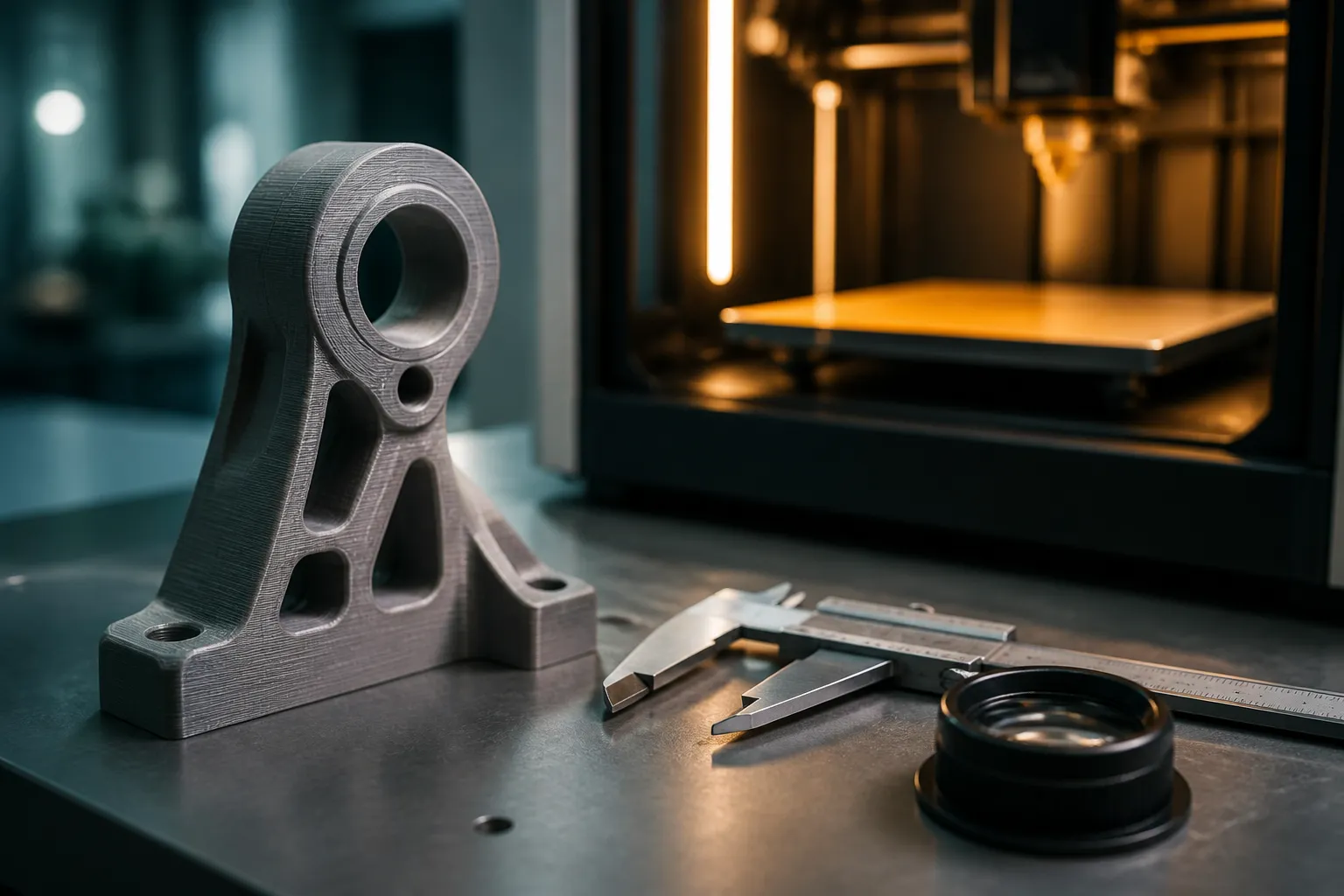
Before you pay for a prototype, do you know which process will make it, who will run the machine, and how anyone will prove the part is right? Most buyers don't ask, and most first orders go wrong for that reason. This guide walks through the choice in order, so you can compare quotes on something firmer than a price. It is general information only, not personal medical, legal or financial advice, so check specifics with a licensed professional.
Start with the process, not the printer
Additive manufacturing builds a solid object from a digital model by laying down successive layers. Subtractive machining does the opposite and removes material by cutting or drilling. A shop that is strong at one method can be a poor fit for the other, so the first question is about method, not machine brand.
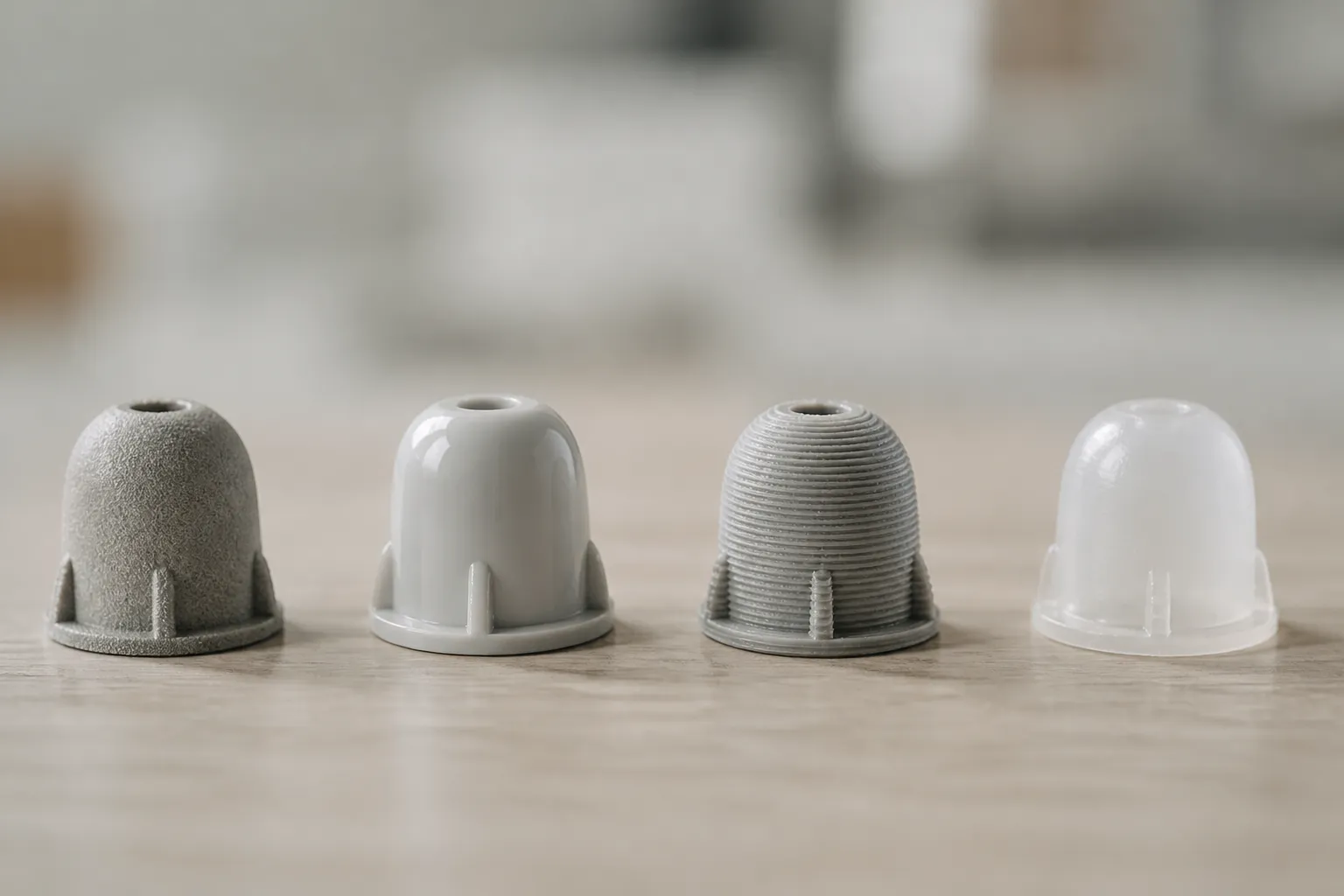
NIST separates additive work into process families: powder bed fusion, directed energy deposition, material extrusion, vat photopolymerization, binder jetting, and material jetting. Each gives a different surface finish, accuracy, strength and set of materials. A resin part that looks smooth on the shelf may not survive a snap-fit test, and a tough extruded part may show visible layer lines.
Before you request quotes, write down three things:
- What the part must do (display, fit check, carry load, touch skin or food).
- What material it needs.
- How precise the dimensions must be.
Then ask each provider which process they would use and why it suits that part. A clear, reasoned answer is a good sign. A shop that offers one process for every job deserves a follow-up question.
Understand what drives quality and consistency
NIST names the common trouble spots in additive work: high process variability, low part accuracy and surface quality, inconsistent material properties, and a lack of standard methods for qualifying processes and parts. These are the issues that most often separate a prototype that works from one that does not.
According to NIST's measurement science work, consistent results depend on qualifying materials, machines, processes and finished parts, along with in-process sensing and monitoring. You will not run those tests yourself. You can, however, ask whether the provider does them and how the results are written down.
Match the effort to the stakes:
- A part used only to check fit or looks needs light controls.
- A part that carries load needs known material properties.
- A part that touches the body or food, or will be sold, needs documentation, and you should raise that before ordering.
Check qualifications and credentials
For metal parts, industry programs are working to set common training and audit requirements. America Makes and NCDMM selected 25 project teams for a $10.5 million supplier qualification program, aimed at helping manufacturers meet defense acquisition requirements. It expects suppliers to use laser powder bed fusion and directed energy deposition. If you are buying metal parts, ask whether the shop follows similar recognized practices and can show audit records.
People can hold credentials too. SME offers the Certified Additive Manufacturing Fundamentals (CAMF) and Certified Additive Manufacturing Technician (CAMT) certifications, which show a person has met defined competencies. They do not guarantee a particular job will go well. Confirm any certification with the issuing organization instead of trusting a logo on a website.
Independent verification is harder than it should be. Public sources offer no simple checklist for confirming a shop's quality system. So ask for written descriptions of its procedures, and for a critical part, consider whether third-party inspection makes sense.
Ask practical questions and watch for warning signs
Bring this list to every provider and keep the written answers side by side:
- Which process will be used, and why does it suit this part?
- How is process variability controlled and recorded?
- Do you have qualification or audit practices for your processes?
- What certifications do your technicians hold?
- How will you measure accuracy and material properties on my part?
Public sources do not list specific red flags for prototyping services. As a general principle, be cautious about a provider that cannot explain its process, cannot say how it checks material properties or accuracy, or cannot describe how it qualifies parts. Those are the same gaps NIST identifies as common challenges in the field.
Cost, turnaround and your files
The sources behind this guide give no reliable per-part or per-prototype US price ranges. Costs and lead times vary widely by process, material, part size, finish, and by state and provider. Request written quotes from several shops, and confirm what each includes: file preparation, materials, finishing, inspection and shipping.
Also ask how your design files will be stored and who can see them, and read the contract before you sign. For questions about intellectual property or contract terms, talk with a licensed attorney.
Sources
- Additive Manufacturing Standards | NIST
- Measurement Science for Additive Manufacturing Program | NIST
- Additive Manufacturing Technologies | NIST
- America Makes selects 25 suppliers for $10.5M metal AM qualification program - 3D Printing Industry
- Additive Manufacturing Glossary
- 3D Printing & Additive Manufacturing Event | RAPID + TCT
- Additive Manufacturing Certification
- Recommended Reading Materials
Still have a question?
Related guides
-

Fixed or Variable: How to Choose a Business Electricity Contract Without Getting Caught Out
A practical checklist for comparing quotes, avoiding the costly rollover to a deemed rate, and asking the right questions before you sign.By Renata Okafor
-

What Happens to Your Business Energy Bill When the Contract Ends
Letting a fixed-term energy contract lapse can quietly move your account to a much higher default rate, so knowing your end date, opt-out deadline and state rules matters. By Neil Ostrander
-

How to Read a Commercial Electric Bill, Section by Section
Supply, delivery and demand charges each answer a different question, and knowing which is which helps you spot errors and compare providers on total cost. By Gideon Aldaine