Hiring an Electrician for a Commercial Tenant Improvement: What to Check Before You Sign
A practical guide to scope, cost comparison, licensing, permits and inspections for electrical work in a new office or commercial fit-out.
 By Renata Okafor ·
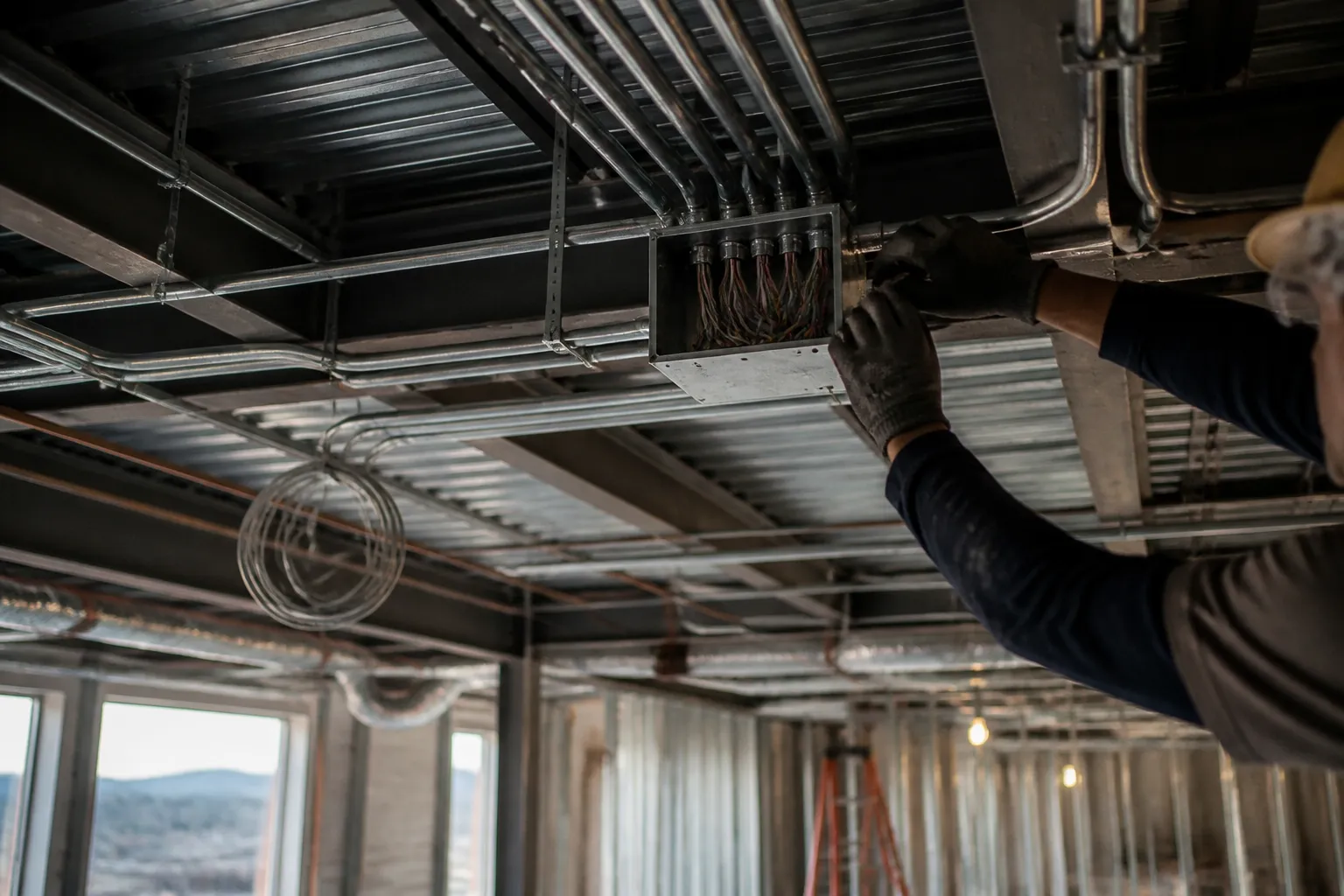
Are you about to fit out an office and wondering who should pull the wire? A tenant improvement (TI) job puts a lot on the electrician: new circuits, lighting, data cabling, and a commercial inspection that has to pass before you can move in. This guide walks through what the work covers, what it may cost, how to vet a candidate, and which questions and warning signs matter before you sign. It is general information only, so check specifics with a licensed professional in your state.
Covered wiring must be inspected before it is concealed. Uncovering finished work to re-inspect it is where schedules and budgets get hurt.
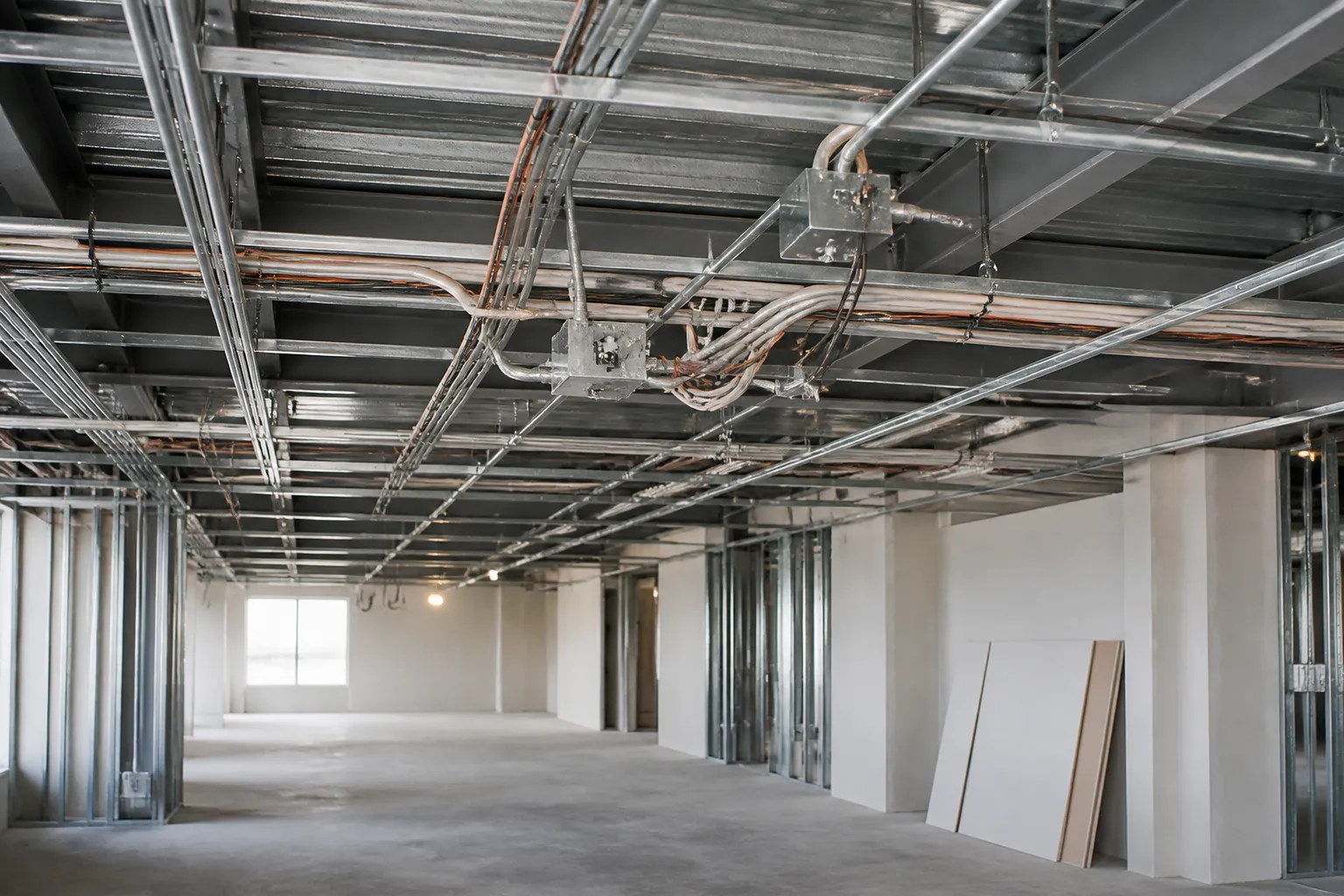
What tenant improvement electrical work covers
TI electrical work is the wiring, lighting, power and panel work needed to fit out a commercial space for a new tenant or a new use. It has to move on a construction schedule, and it has to pass commercial inspection. A typical office scope looks like this:
- New circuits and panels, plus dedicated power for equipment
- Commercial lighting layout and installation, including LED fixtures
- Emergency and exit lighting
- Panel upgrades or power balancing
- Low-voltage wiring for internet, phones and audio-visual systems
The electrician also has to work alongside the general contractor, the heating and cooling trades, and the plumbers. Sometimes the electrician is a subcontractor to the general contractor. Before you hire anyone, find out who sets the schedule and who settles conflicts between trades.
Understanding costs and budgets
Here is the honest answer on price: the sources reviewed for this guide give no typical US dollar range for a TI electrical job. Costs vary by state, by building and by project size, so treat any single published figure with caution. Ask each bidder for a written bid that breaks out the scope, then compare line by line instead of comparing lump sums.
One detail worth knowing: one Nevada contractor cites a bid limit of about $950,000 for TI projects under its license class. Limits like that differ by state and license, but the lesson carries over. Confirm that the electrician's license class and capacity match the size of your project before you look at price.
Lighting controls can also affect long-term operating costs. Occupancy and daylight-responsive controls tied to a building management system are one example. A published retrofit in a pre-build tenant space of a famous New York tower was expected to save up to 65% in lighting energy costs, with a payback of about 2.75 years. That is one large project, not a promise for your suite. Ask whether your bid includes controls and how any savings were estimated.
How to check an electrician's qualifications
Work through these steps in order:
- Confirm the electrician holds the state electrical license required where the project sits. A license in one state does not carry over to another. Verify it with the state licensing board directly, not just from the contractor's own description.
- Ask whether the firm is bonded and insured for commercial work, and request proof. Your landlord or general contractor may set their own insurance requirements, so confirm those before work starts.
- Ask whether the firm has worked as a subcontractor to a general contractor and can hold to construction schedules and inspection dates.
- Look for experience with your building type, such as office, retail, restaurant or warehouse. Loads and code concerns differ. Ask how they plan for current loads and future flexibility.
Be careful with online ratings. A high self-reported score, such as 4.9 stars across several hundred reviews, is a starting point only. Verify references and past project records on your own.
Questions to ask before you sign
Bring this list to every interview. It keeps the conversations comparable.
- Is this job within your license class and bid limit for its size?
- Will you give me a written scope covering new circuits, panels, lighting layout, low-voltage wiring and emergency lights?
- Who applies for electrical permits, talks to the inspector and schedules inspections?
- How will you coordinate with the general contractor, the heating and plumbing trades, and the landlord?
- How do you plan for current load and future growth?
Do not assume a general contractor's building permit covers the electrical work. New circuits, rewiring, service upgrades and panel replacements commonly need their own electrical permits and inspections.
If the space has not been leased yet, ask whether a pre-lease electrical inspection makes sense. It is recommended due diligence, not a rule for every commercial lease, and it does not guarantee the space will support your business. Ask the electrician to review the building's electrical history, panel schedules and prior permits before you commit.
Permits, inspections and red flags
Plan the inspection calendar before the first wire is pulled. No ceiling or wall should close until the inspector has seen the wiring behind it. Rules differ by place. In Massachusetts, for example, commercial work falls under a state code based on the National Electrical Code with state amendments, and the local Inspector of Wires sets requirements for a project. Other states have their own rules, so check locally.
Watch for these warning signs:
- Missing electrical permits, final inspection records or panel schedules for the building
- Records of recurring breaker trips, water damage, outages or prior unpermitted repairs
- A schedule that puts work ahead of concealed-wiring inspection
- A bidder who assumes the general contractor's permit covers everything
Construction work is also governed by OSHA standards in 29 CFR Part 1926. Ask how the electrician handles site safety and crew training.
What this guide does not cover
This guide does not give US dollar ranges, and it does not walk through verifying a license, bond or insurance with each state's board. Do those checks directly with the licensing authority. It also leaves out contract terms, payment schedules, change orders and warranties. Have a qualified professional review those before you sign.
Permit approval timelines, state rules beyond the examples above, and who pays for code corrections found in a pre-lease inspection are also outside its scope. Those are usually settled in lease negotiations, so confirm them with the landlord, the general contractor and the local building authority.
Please seek a professional. This article is general information, not legal advice. Please seek a licensed attorney in your state about your own situation.
Sources
- Tenant Improvement Electrical Las Vegas | Penny Electric
- BOMA Standards | BOMA International
- BOMA 2024: 5 Key Changes Reshaping Office Building Measurements
- Electrical Tenant Build-Out Services | Harmony Electric
- https://vertexaisearch.cloud.google.com/grounding-api-redirect/AUZIYQHf5nbwzSDPo6Ucu_UOevWXSAmIJRYHPvwDOSlq49lxfxCd-Yli_WecnLavo9S64km6Sfj8zw6K3_LHUs-CAvTAhaiGEdLIpt-p66xBTQMrr48NW5pYoRtbxCNyVaRwbtI9TgaSWtHMMFYcPCOyQuMKcj-ashUyW2NWywLwNTjFEAUOf7B5RKJlRKbM
- Empire State Building Shines Green Beacon of Light for Energy Savings | EC&M
- Massachusetts Commercial Electrical Inspection Checklist
- OSHA 29 CFR 1926 Construction Standards Guide for 2026
Still have a question?
Related guides
-

Fixed or Variable: How to Choose a Business Electricity Contract Without Getting Caught Out
A practical checklist for comparing quotes, avoiding the costly rollover to a deemed rate, and asking the right questions before you sign.By Renata Okafor
-

What Happens to Your Business Energy Bill When the Contract Ends
Letting a fixed-term energy contract lapse can quietly move your account to a much higher default rate, so knowing your end date, opt-out deadline and state rules matters. By Neil Ostrander
-

How to Read a Commercial Electric Bill, Section by Section
Supply, delivery and demand charges each answer a different question, and knowing which is which helps you spot errors and compare providers on total cost. By Gideon Aldaine