How to Check an Installer Before You Hire Them for Commercial Cabling
Certifications, verifiable experience and the right questions help you tell a qualified cabling crew from one that only looks good on paper.
 By Gideon Aldaine ·
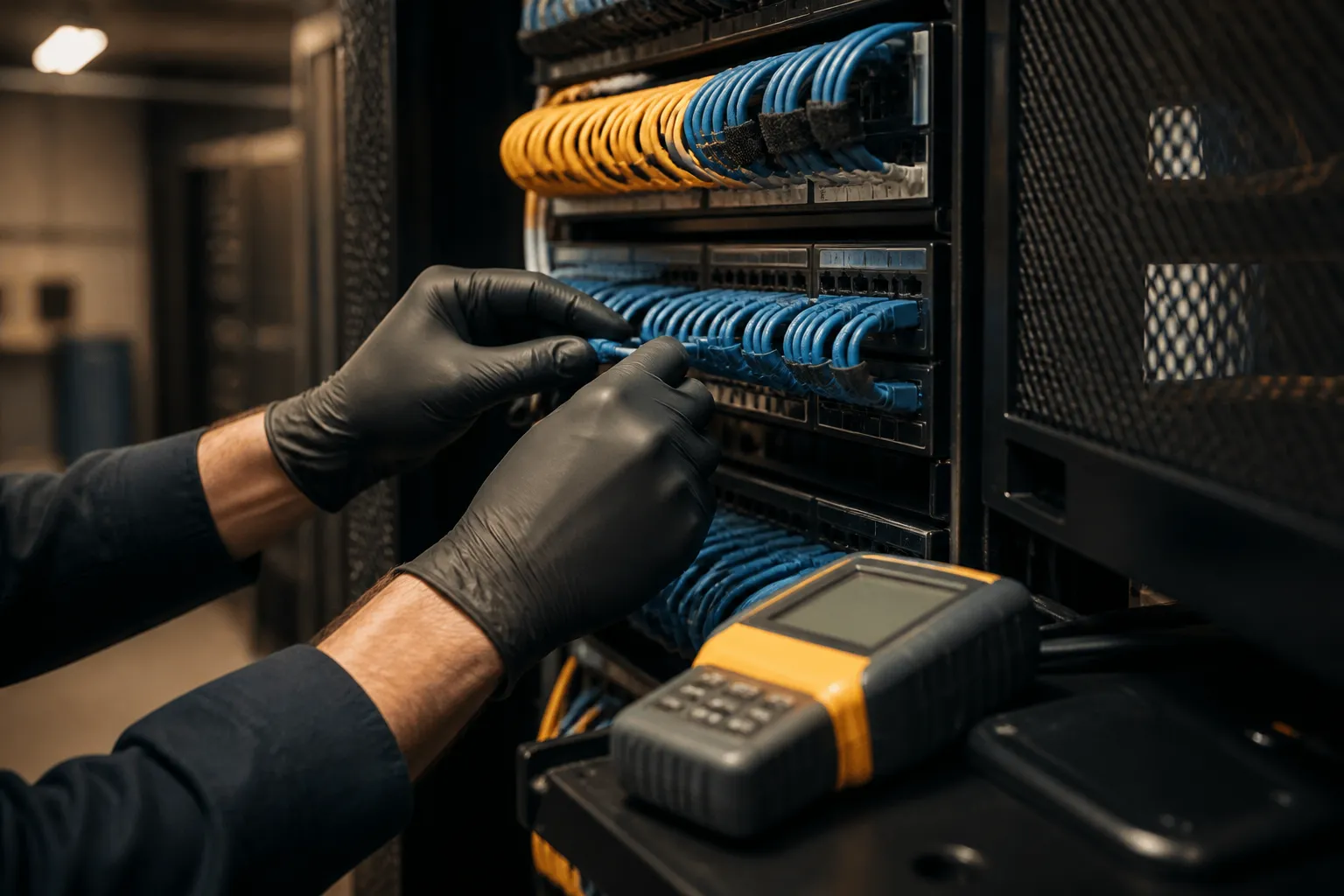
Who is actually going to climb the ladder, pull the cable and terminate the ends at your site? That is the question most buyers skip. They compare logos and quotes, and only learn later that the crew on the day was not the crew in the proposal. This guide walks through how to check an installer for commercial radio, two-way or telecom cabling work, step by step. It is general information only, not personal legal, financial or professional advice, so confirm details with a licensed professional in your state.
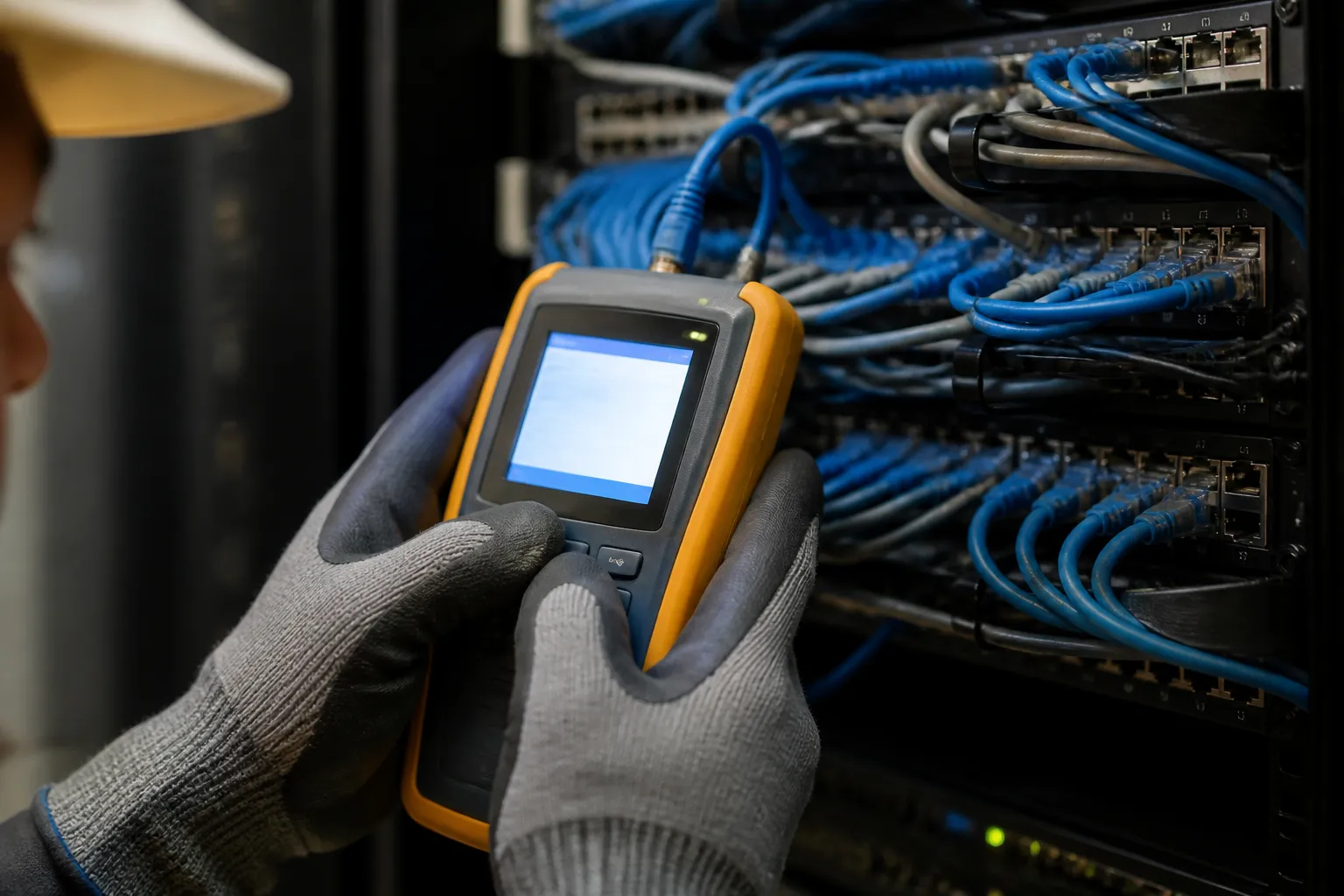
Why installer qualifications matter
Cabling is easy to install badly and hard to fix later. Once cable is behind walls, above ceilings or run across a warehouse floor, redoing it means paying twice. Poor cable organization can escalate into fire hazards, and an unreliable installer may leave cabling improperly installed, which leads to downtime and organizational headaches. Choosing carefully at the start is usually cheaper than repairing a poorly built system.
Fiber is especially sensitive to technique. The Fiber Optic Association (FOA) was founded in 1995 to create a way to verify and certify installer knowledge and experience. Its founders have said that fiber installation errors were often traced to inadequate knowledge of installation rules. A certification is a meaningful signal, but only if it covers the work being done at your site.
Certifications to look for
BICSI is a professional association for telecommunications and information technology cabling. It offers installer credentials for copper and optical fiber, and it also has design and project management credentials. The installer track includes these levels:
- Installer 1, for foundational skills
- Installer 2 Copper
- Installer 2 Optical Fiber
- Technician
Installer and Technician certifications are good evidence of skill in installing, terminating and testing copper and fiber systems. The FOA has its own fiber credentials, a basic level called CFOT and an advanced level called CFOS. Advanced is generally the stronger answer. Manufacturer certifications matter too, since they show the installer can work correctly with specific cabling products.
One caution. Certifications only count if the certified person does the work. A company can display impressive credentials while sending out staff who hold none. Ask about each technician individually, and ask for proof that names the activity you need done.
Experience and verifiable records
A certificate shows someone passed a test. It does not prove they have done the task many times in real conditions. The FOA's guidance is to ask how many repetitions each technician has for each activity, and whether that experience is backed by a record such as a logbook. A confident answer with no paperwork is a reason for more questions, not a reason to hire.
Also ask about sites like yours. Outdoor or elevated work may need extra protection against weather, rodents and other harsh conditions, plus occasional maintenance and repair. A busy or warehouse-type site raises the importance of securing cable runs to reduce trips and falls. Experience with similar environments often tells you more than a long general history.
Questions to ask before hiring
Work through this list with each candidate, and write down the answers so you can compare them side by side:
- Will each technician be certified for the specific activities assigned to them?
- Which authority certified each technician, and at what level?
- How many verified repetitions does each technician have, and is there a logbook or similar record?
- Are the electricians qualified, and do they hold relevant credentials such as NEC certification?
- Do you offer testing, such as fiber testing or CAT6 certification testing, and will I get written results?
- How will you protect cabling from environmental factors?
- How will you handle future maintenance or emergency repairs?
Add one more about the future. Cable-management choices made now affect how easily the system can expand or be retrofitted later, so ask how the installer plans for change.
Red flags and what to check independently
Several warning signs show up repeatedly in industry guidance:
- Installers with inadequate knowledge or experience, which the FOA says still happens despite certification programs
- No verifiable records of technician experience
- Messy, poorly organized cable
- A company that seems unreliable or cannot explain its work clearly
Verify credentials yourself instead of trusting a logo or a printed claim. BICSI and the FOA publish certification information, and the FOA suggests asking who certified each technician. Confirm that the person named in a proposal is the person who will arrive.
Costs and comparing quotes
Costs vary by state and by project, and the sources behind this guide give no installer labor or project cost ranges, so treat any figure you hear as something to confirm in writing. Do not compare on price alone. Line up the scope of work, the certifications listed for each technician, the testing included, the warranty terms and the timeline. Local licensing rules for low-voltage, telecom or electrical work also vary, so check with your state or local licensing authority before work begins. Review insurance, bonding, contract terms and payment schedules in writing before you sign, and consider having a licensed professional look them over.
Sources
- Cabling Installation - BICSI
- BICSI Certification Types | Design, Installation, Management - BICSI
- How to Choose the Right Structured Cabling Companies
- BICSI Standards | Telecommunications Standards & Best Practices - BICSI
- 10 guidelines for qualifying and selecting fiber installers | Cabling Installation & Maintenance
- Structured Data Cabling, Network Infrastructure - CalComm Systems
- Selecting a cable-management system for the future | Cabling Installation & Maintenance
- Federal Register :: Request Access
Still have a question?
Related guides
-

Fixed or Variable: How to Choose a Business Electricity Contract Without Getting Caught Out
A practical checklist for comparing quotes, avoiding the costly rollover to a deemed rate, and asking the right questions before you sign. By Renata Okafor
-

What Happens to Your Business Energy Bill When the Contract Ends
Letting a fixed-term energy contract lapse can quietly move your account to a much higher default rate, so knowing your end date, opt-out deadline and state rules matters. By Neil Ostrander
-

How to Read a Commercial Electric Bill, Section by Section
Supply, delivery and demand charges each answer a different question, and knowing which is which helps you spot errors and compare providers on total cost.By Gideon Aldaine