How to Hire an Industrial Painting or Powder Coating Contractor
Start by defining your job, then verify certifications, crew, safety records, and inspection practices before comparing bids and signing.
 By Neil Ostrander ·
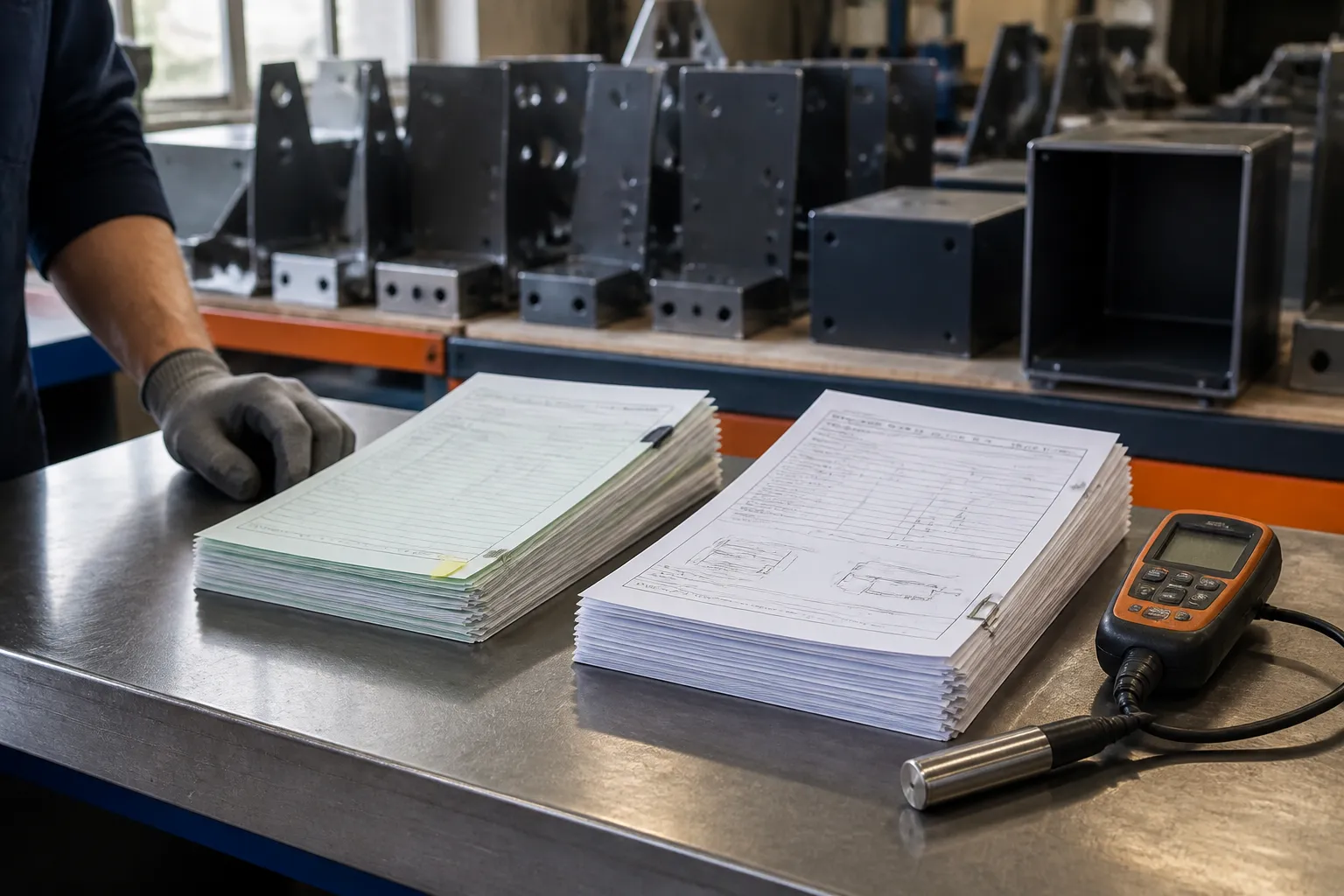
What exactly are you asking a contractor to coat, and where will the work happen? That one question decides almost everything that follows. A bridge repaint, a batch of steel brackets, and a run of powder coated enclosures call for different people, different equipment, and different paperwork. This guide walks through the steps in order so you can sort the qualified shops from the merely confident ones. It is general information, not personal legal, safety, or financial advice, so check your facility's obligations with a licensed professional.
Credentials that cannot be documented should be treated as unverified.
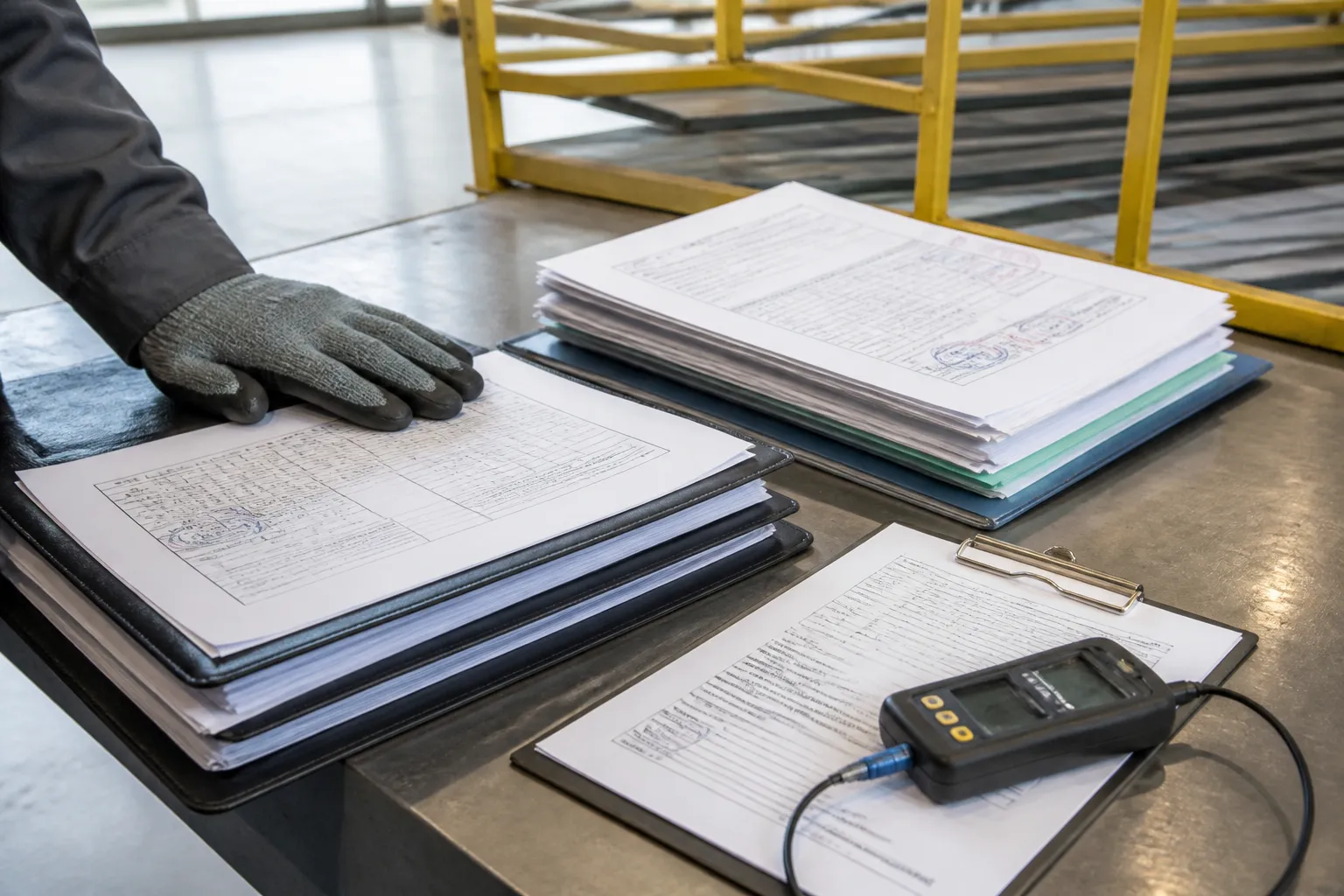
Start by defining the job
Industrial painting covers very different work, so sort yours into one of three buckets before you request a single bid.
- Field coating: painting or coating structures on site, such as bridges, storage tanks, petrochemical plants, power generation facilities, wastewater treatment plants, and ship maintenance.
- Shop work: coating parts or products in a controlled facility.
- Powder coating: a finishing process that applies dry powder and cures it in an oven.
Knowing which one you need narrows the list of qualified providers quickly. If you are buying powder coating equipment instead of hiring a service, the questions change. You will match equipment to your production goals, throughput, and part sizes, and decide between a batch and an automated system. Sources on that side of the market focus on equipment, so treat them as a starting point for specifications.
Verify certifications with the issuing body
The AMPP QP Programs, formerly SSPC QP Programs, are the most widely cited quality accreditations in this field. QP 1 evaluates a contractor's business practices for field coating application, and it is designed to help facility owners and specification writers judge whether a contractor can handle complex industrial and marine structures. Many asset owners use QP accreditation as a pre-qualification step, because accredited contractors must meet the same standards and pass the QP field audit process.
Other credentials match other risks. Match the program to your work:
- QP 1 for field painting.
- QP 2 for safe removal and management of hazardous coatings, which matters when old paint contains lead.
- QP 9 for shop painting.
Then confirm each one yourself. Ask for current documentation and check it through AMPP or sspc.org rather than trusting a verbal claim or a brochure. You can read the program descriptions on the AMPP QP Programs page and the QP 1 page.
Check people, safety, and environmental compliance
A company accreditation is only part of the picture. Ask whether the contractor employs certified coating inspectors and whether one will be assigned to your project, including AMPP Senior Certified Coating Inspectors where relevant. Ask for the name and coatings experience of the foreman or supervisor who will run the job day to day. A strong company with an unfamiliar crew lead is a risk worth understanding before work begins.
Look for OSHA 10 or OSHA 30 training for workers, and EPA Lead-Safe certification where lead paint may be disturbed. Federal rules matter too. EPA sets hazardous air pollutant standards for surface coating of miscellaneous metal parts and products at major sources, described on the EPA NESHAP page. OSHA's spray finishing standard, 29 CFR 1910.107, covers spraying flammable and combustible finishing materials, including powder. It does not apply to outdoor spraying of buildings, tanks, or similar structures, so the governing rules depend on where and how the job is done.
NFPA 33 is widely regarded as authoritative guidance on spray application with flammable or combustible materials, powder included. For powder work, ask how fire risk is controlled. Powder coating booths are commonly sold without automatic fire suppression, and the OSHA standard lacks specific detail for powder operations, so safety rests on the hazard controls the contractor actually uses.
Ask for inspection data and a safety record
Coating performance depends on surface preparation, ambient conditions, and application quality. Independent inspection is the usual way to verify all three. Ask whether the project will include daily inspection reports with dry film thickness (DFT) readings and inspector sign-off. These reports are commonly treated as the standard deliverable on qualifying industrial work, and they give you a written record if a question about thickness or cure comes up later.
Then ask for the contractor's Total Recordable Incident Rate (TRIR) for each of the last three years, and compare the figures with the Bureau of Labor Statistics industry average for painting and coating contractors. Also ask which surface preparation methods they use, such as abrasive blasting or water blasting, and whether those suit your substrate and coating system. For powder lines, you can ask about pretreatment too, since it may include wash stations, dry-off ovens, or sandblasting before application and curing.
Compare bids and contract terms carefully
The sources behind this guide give no US price ranges for industrial painting or powder coating, so none are offered here. Costs vary by state, project scope, surface condition, and the coating system specified, and any single figure you find online deserves suspicion. Instead, request written bids in the same format so you can compare them line by line. Each bid should describe:
- Scope of work and surface preparation.
- The coating system.
- Inspection and reporting.
- Containment and waste handling.
- Schedule.
Warranty terms, payment schedules, and the insurance, bonding, and licensing rules that apply to contractors in your state were not covered by the sources either. Confirm those with your state licensing board and your own insurance or legal advisors. Make sure the contract spells out who is responsible for inspection, hazardous material handling, and warranty claims.
Watch for red flags
Some signals are easy to spot once you know them:
- No current certification documents, whatever the marketing says.
- Verbal-only certification claims.
- Brochures that describe credentials with nothing behind them.
- A refusal to share TRIR figures or inspection reports.
Those records are the easiest way to judge how a company really performs, so a contractor who withholds them is asking you to take performance on faith.
Before you sign, run through this checklist of questions:
- What certifications do you hold, and can you document them?
- Do you employ certified coating inspectors, and will one be on my project?
- What is your TRIR for the last three years?
- Who supervises the work, and what is their coatings experience?
- Will you provide daily reports with DFT readings?
- How do you handle hazardous coating removal and waste?
- How do you comply with EPA and OSHA spray finishing and fire-safety requirements?
Clear, documented answers are a good sign. Vague ones are a reason to keep looking.
Sources
- QP Programs - AMPP
- Surface Coating of Miscellaneous Metal Parts and Products: National Emission Standards for Hazardous Air Pollutants (NESHAP) | US EPA
- QP 1 – Field Coating Application - AMPP
- QP Programs - AMPP
- How to evaluate an industrial painting contractor:… | Alpine Painting
- Choosing the Right Powder Coating Equipment
- Spray Finishing Using Flammable or Combustible Materials - College of Public Health NewsCollege of Public Health News
- Painting Your Future: A Guide to Hiring Industrial Commercial Coatings Contractors - The Color House Professional Paint Store
Still have a question?
Related guides
-

Fixed or Variable: How to Choose a Business Electricity Contract Without Getting Caught Out
A practical checklist for comparing quotes, avoiding the costly rollover to a deemed rate, and asking the right questions before you sign. By Renata Okafor
-

What Happens to Your Business Energy Bill When the Contract Ends
Letting a fixed-term energy contract lapse can quietly move your account to a much higher default rate, so knowing your end date, opt-out deadline and state rules matters.By Neil Ostrander
-

How to Read a Commercial Electric Bill, Section by Section
Supply, delivery and demand charges each answer a different question, and knowing which is which helps you spot errors and compare providers on total cost. By Gideon Aldaine