How to Vet a Commercial Welding Contractor for Structural Work
A neat bead tells you little about whether a column splice will hold, so check qualifications, quality systems and inspection plans before you choose a firm.
 By Renata Okafor ·
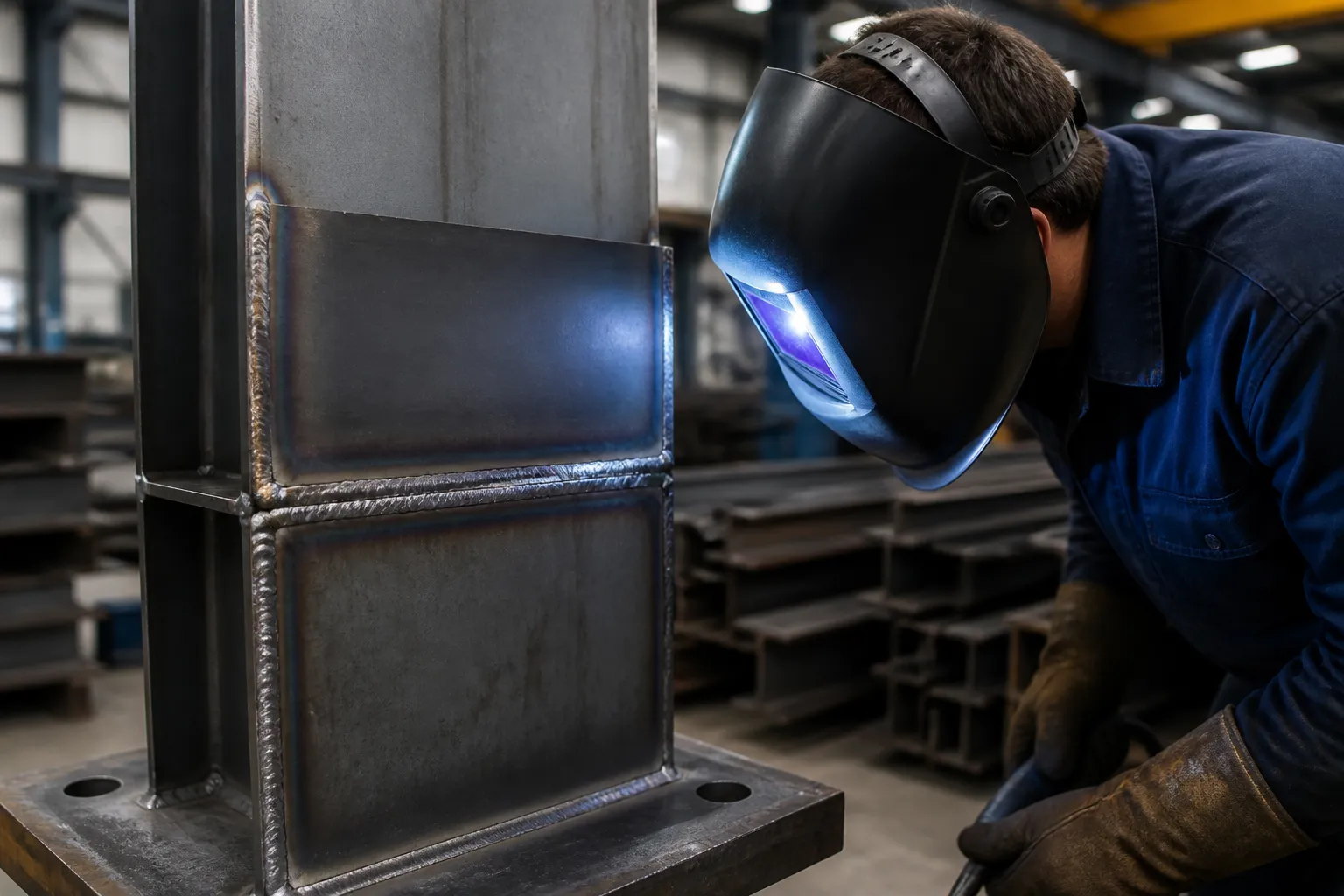
Have you ever signed off on a contractor because the sample photos looked tidy? With structural steel, that instinct can lead you wrong. A neat bead tells you very little about whether a column splice will carry its load. This guide walks through how to vet a commercial welding contractor for on-site structural work, step by step. It is general information only, so run your specific project past a licensed engineer, attorney or other qualified professional.
Why structural welding needs a different standard of vetting
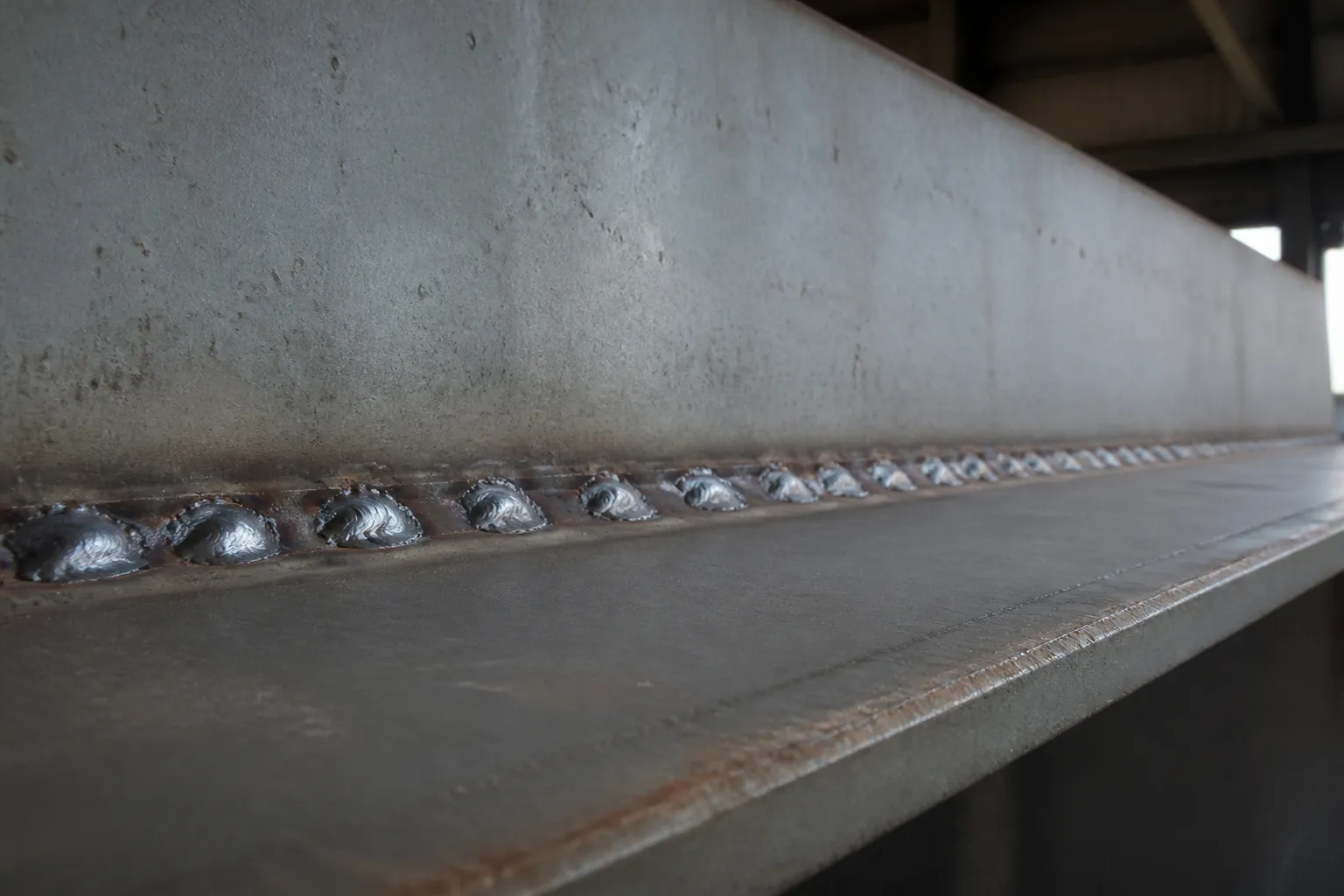
Structural welding joins load-bearing members: columns, I-beams, trusses, plate girders and base plates. In this work, the strength of each weld and its compliance with code matter far more than appearance. A joint can look clean and still fail under load, so judge a contractor on qualifications you can verify, not on a portfolio of attractive joints.
Most U.S. building and bridge contracts reference AWS D1.1, the Structural Welding Code for Steel. Employers often require welder certifications tied to that code, and passing its qualification tests is what separates a general welder from one qualified for structural work. Treat that as your first check.
It also helps to treat selection as a compliance review first and a price comparison second. A low bid from a firm that cannot document its qualifications can cost more later in rework, delays or failed inspections.
Checking welder qualifications against the contract
Start with the project specification and find which welding code it cites. If it names AWS D1.1, ask the contractor to show that the welders assigned to your job hold qualifications under that code. Then go one level deeper, because qualifications are position-specific. The real question is whether each welder's certification covers the positions shown in your drawings.
Structural certification testing includes 3G and 4G plate tests, not just flat-position work. On-site erection often means vertical and overhead welding, so a welder with only flat-position experience may be the wrong fit. When you request records, ask for:
- The specific tests each welder passed, by position.
- Current dates on every qualification.
- A way to confirm the status with the issuing body.
The American Welding Society publishes the codes and runs professional certification programs, so it is reasonable to ask how a welder's status can be confirmed through it. Keep copies of everything on file for the length of the project.
Evaluating the firm's quality and safety systems
Individual credentials are only part of the picture. If the work includes fabrication or erection, ask whether the firm holds AISC certification. AISC's programs are described as the most widely recognized standard in the structural steel industry, built around catching errors early. The initial process can take up to six months and involves three phases: an administrative review, a documentation audit and an on-site audit of the firm's quality management system. Buyers can also use certification to help prequalify bidders.
For erectors, the standard covers management responsibility, quality system procedures and safety system procedures. Ask to see the written safety plan, which should comply with government regulations and be understood by management and the crew. Then ask how it reaches the field. A plan in a binder does not protect anyone.
- How are crews briefed on the erection sequence before work starts?
- Do new hires get documented safety orientation before they work on the structure?
- Do crane operators hold CCO certification, or equivalent training or experience, and can the firm prove it?
Planning inspection and verification
Some weld defects cannot be found by eye. A Certified Welding Inspector (CWI) can assess components for quality and code compliance, and many buyers bring one in as an independent check instead of relying only on the contractor's own inspection. Decide early who inspects, how often, and what records come out of it.
Ask the contractor who performs its inspections and whether those people are CWIs. Ask whether it uses a testing facility for qualification testing. Ask what happens when a weld fails: the repair procedure, and who pays for re-inspection. Get those answers in writing before the first arc is struck.
It is also worth asking which welding procedure specifications the firm follows. AWS publishes standard ones, and a contractor working from recognized documents is a better sign than one relying on informal habit.
Understanding costs and what varies by state
No single national price applies. Labor rates, inspection fees and contract pricing differ by state and by project, and the sources behind this guide do not give reliable per-state figures for structural welding labor or inspection. Be wary of any quoted average. What you can do is ask for itemized written quotes.
One published figure is useful context. AISC reports that certification costs an AISC-member fabricator with fewer than 100 employees less than $5,000 a year. That is a cost of doing business the firm carries, and it is a reasonable thing to weigh against a bid that skips certification entirely. On the workforce side, pay for structural welders can differ by tens of thousands of dollars a year, tracking certification and experience more than geography alone. Cheap labor may mean thin credentials.
When comparing quotes, confirm whether each one includes:
- Certification testing.
- Independent or third-party inspection.
- Safety compliance.
- Crane services.
Licensing, insurance and bonding rules also vary by state and are not covered in detail here. Check with your state contractor licensing board, and confirm insurance certificates and bonding directly with the issuing carriers before you sign.
Questions to ask and red flags to watch for
Bring this short list to every bidder meeting:
- Which AWS D1.1 qualifications do your welders hold, and are they current for the positions this job requires?
- Do you have a documented quality management system, and AISC certification or an equivalent?
- Is there a written safety plan, and do crane operators hold CCO certification or equivalent training?
- Who inspects the welds, and are they a Certified Welding Inspector?
Then watch for the warning signs. Welders with only flat-position experience on a job that calls for 3G or 4G plate work is one. No written safety plan for erection, or no evidence of safety orientation for new hires, is another. A third is any suggestion that visual inspection alone will confirm weld quality, since some defects simply cannot be seen that way.
Finally, have a qualified attorney or contracts professional review terms, warranties and payment schedules. Confirm which federal worksite safety rules, including OSHA requirements for on-site welding, apply with the contractor and your project's safety authority. This guide is general information and does not replace professional advice for your project.
Sources
- Welding Codes and Standards | American Welding Society
- AWS D1.1/D1.1M:2025-AMD1: Structural Welding Code - Steel | American Welding Society
- Structural Welder: Duties, Certifications, and Career Path | GoWelding.org
- Evaluating AWS Standard Welding Procedure Specifications
- Professional Welding Certifications - Elevate Your Welding Career
- Structural Steel Welding Certification - Applied Technical Services
- Professional Structural Welding Inspection in the US AWS CWI
- What Is an AISC Certification? - Premier Structural Steel Contractor in Michigan Since 1968 | Midwest Steel, Inc
Still have a question?
Related guides
-

Fixed or Variable: How to Choose a Business Electricity Contract Without Getting Caught Out
A practical checklist for comparing quotes, avoiding the costly rollover to a deemed rate, and asking the right questions before you sign.By Renata Okafor
-

What Happens to Your Business Energy Bill When the Contract Ends
Letting a fixed-term energy contract lapse can quietly move your account to a much higher default rate, so knowing your end date, opt-out deadline and state rules matters. By Neil Ostrander
-

How to Read a Commercial Electric Bill, Section by Section
Supply, delivery and demand charges each answer a different question, and knowing which is which helps you spot errors and compare providers on total cost. By Gideon Aldaine