How to Vet a Pressure-Vessel Repair Contractor Before You Sign
The R Stamp, the inspection paperwork behind it, and the questions that separate a qualified shop from a risky one.
 By Neil Ostrander ·
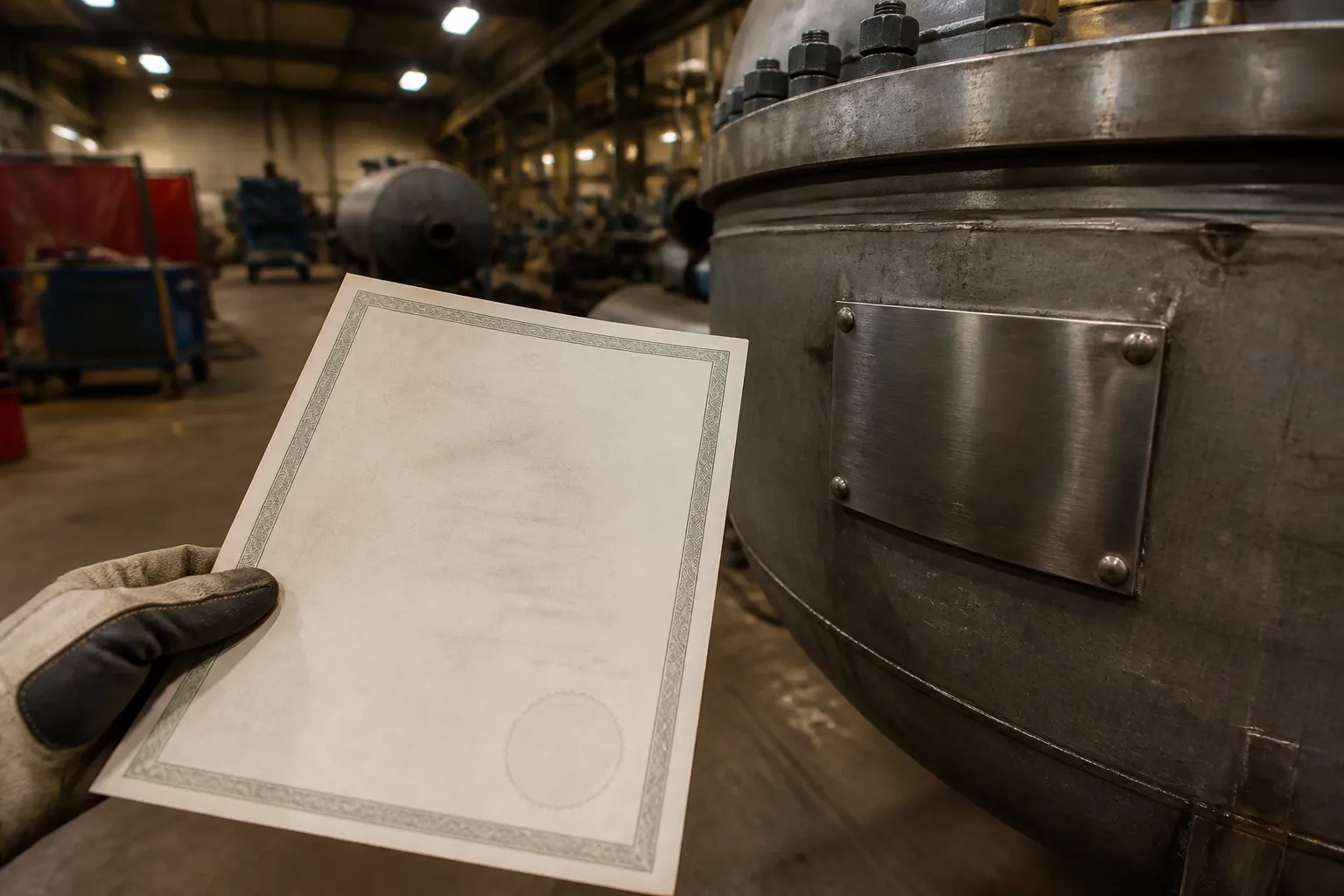
Who is actually allowed to cut, weld, or re-rate the vessel that holds your plant's pressure? If you manage a facility with boilers, pressure vessels, or heat exchangers, that question comes before price, response time, or a friendly sales call. This guide walks through the credential that matters most, how to check it, and what to ask before you sign. One note up front: the published material we reviewed focuses on boiler and pressure-vessel repair. It does not cover compressed air service contractors, so we point out where that gap matters.
What the R Stamp Certifies
The National Board of Boiler and Pressure Vessel Inspectors issues the R Stamp. It authorizes an organization to repair or alter boilers, pressure vessels, and other pressure-retaining items under the National Board Inspection Code. For this kind of work, treat it as the central credential.
To earn it, a shop has to meet several conditions, and each one is something you can ask about:
- An inspection agreement with an Authorized Inspection Agency.
- A written quality system that meets the code and the NB-415 requirements.
- An onsite review before the certificate is issued.
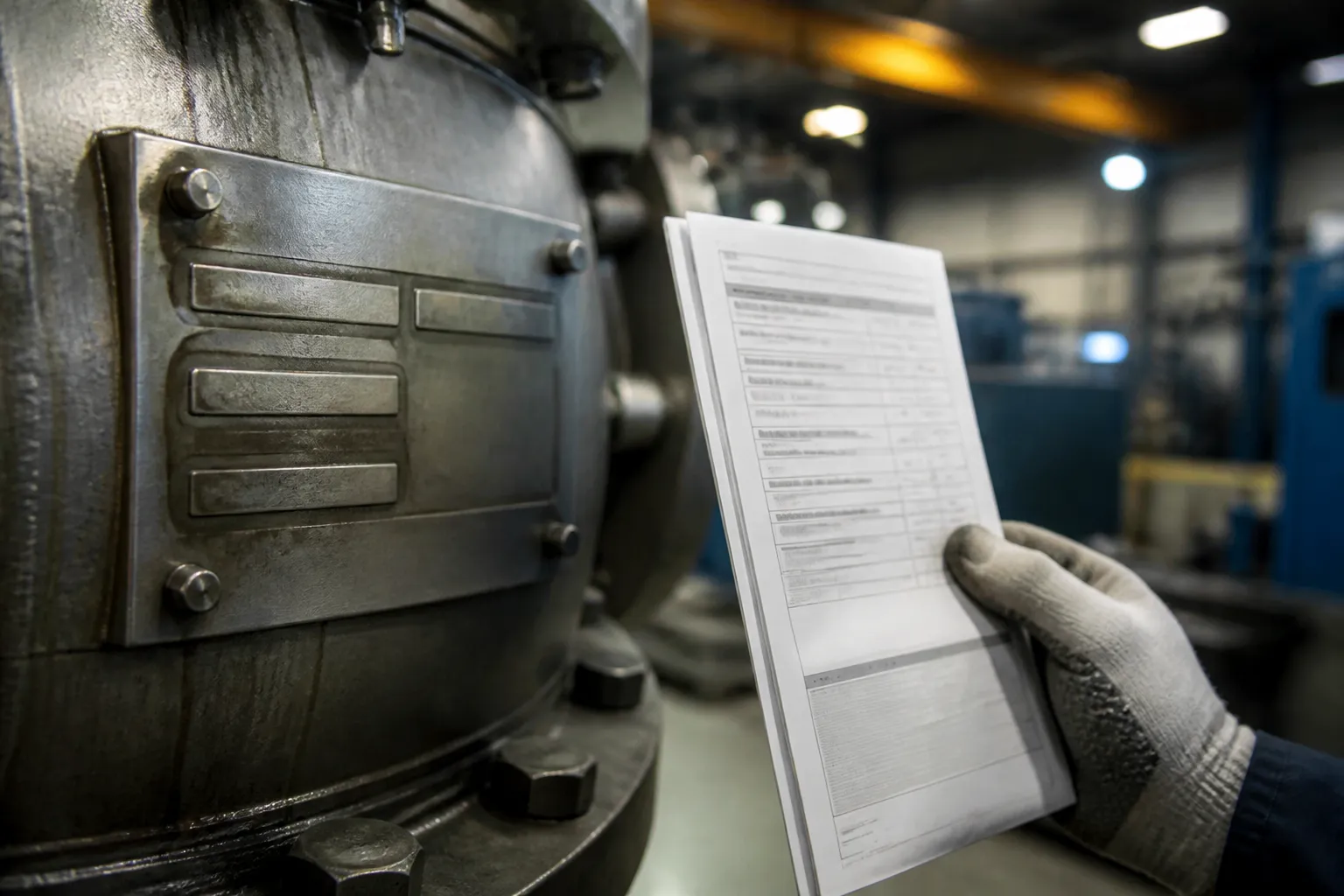
The certificate of authorization lasts three years and must be renewed through audits. That detail has a practical side. A certificate that has already lapsed, or one that expires halfway through your job, is a problem worth catching early. Once work is done, the contractor's stamp goes on the equipment nameplate, which signals that a commissioned inspector verified the work requirements.
When an R Stamp Is Required
The sources say the stamp is needed for work affecting the pressure-bearing area of boilers, pressure vessels, pressure piping, anhydrous ammonia tanks, and heat exchangers. A simple rule of thumb follows: if the job touches the pressure boundary, the contractor should hold the stamp.
It helps to know the difference between a repair and an alteration. A repair restores a vessel to its original design. An alteration changes the design pressure, capacity, configuration, or service. Alterations usually call for added engineering calculations and often a hydrostatic test at the revised rating, so a quote for one should look different from a quote for the other.
Two scope details trip up buyers. First, in most cases the first 36 inches of piping from a boiler counts as part of the pressure-retaining system and must meet the same code. Ask whether your quote includes it. Second, if a vessel already carries an R Stamp from an earlier repair, later pressure-boundary work should also go to a certified contractor. Regulators and insurers generally will not accept repairs that lack proper stamp documentation, and the owner or user is the one responsible for compliance.
How to Check a Contractor Before Hiring
Work through these steps in order, and keep a copy of every answer in writing:
- Ask for the current R Certificate of Authorization and its expiration date. Then check it against the National Board's public directory. The sources describe the directory only in general terms, so follow the directory's own instructions.
- Confirm the contractor has a current inspection agreement with an Authorized Inspection Agency. Ask to see the first page of it. A contractor who cannot name the agency is a warning sign.
- Ask who will witness and endorse the work. An Authorized Inspector is expected to witness repairs and endorse the final documentation. You should know who that person is and what records you will receive.
- Ask whether welders and welding procedures are certified, and whether nondestructive examination and material traceability records will be supplied.
- Check that the contractor's safety prequalification and compliance records are current, since industrial clients often require them.
A shop that does this work properly should have a documented quality-control program and inspection records ready to show. The National Board also audits each R holder at regular intervals, which gives you an outside point of reference beyond the contractor's own word.
Costs, Jurisdiction, and What Is Not Covered
The sources do not give typical US price ranges for R Stamp repairs, boiler service contracts, or compressed air service. Costs vary by state and by job, so we will not invent a number. Ask for written, itemized quotes and compare scope line by line rather than headline totals. One quote may include engineering review, testing, and the first 36 inches of piping, while another quietly leaves them out.
Do not confuse trade association dues with contractor pricing. One association lists flat annual dues of $5,500 for associate members and $550 for professional affiliates. Those are membership fees, not a guide to what a repair should cost.
Jurisdiction rules for boilers and pressure vessels differ by state or municipality. Check whether your location requires approval for the specific work. The same goes for operator certification, fine amounts, insurance requirements, and warranty terms. None of those are spelled out in the sources, so confirm them directly.
Routine operation, such as start-up, shut-down, inspection, cleaning, and troubleshooting, is separate from code repair. A contractor offering operator-level service is not automatically qualified for pressure-boundary work. For compressed air, look up the qualifications that apply to that equipment, then ask the same kinds of documentation questions listed here.
Questions to Ask and Red Flags
Bring this list to the first meeting:
- Do you hold a current R Certificate of Authorization, and when does it expire?
- Which Authorized Inspection Agency do you work with?
- Will an Authorized Inspector witness and endorse the work, and who delivers the final documentation?
- Is this a repair or an alteration, and will engineering review and a hydrostatic test be included?
- Are your welders certified, and will you supply NDE and material records?
- Does the scope include the first 36 inches of piping?
- Is any state or municipal approval needed?
Walk away, or at least pause, if you see any of these:
- No R Stamp on a pressure-boundary job, or a stamp that has lapsed.
- A contractor who cannot name an inspection agency or show an agreement.
- No written quality system or inspection documentation.
- Repair work with no code documentation.
The sources warn that non-certified pressure-boundary repair can bring heavy fines and safety violations, though they give no amounts. This is general information, not legal, engineering, or safety advice. Before signing, confirm requirements with your state or municipal authority, your insurer, and a qualified inspector.
Sources
- Accreditation
- R Stamp Repair: When You Need It And How To Avoid Fines
- Top 5 Pressure Vessel Repair Selection Factors | R-Stamp Welding
- https://www.nationalboard.org/index.aspx?pageID=115&ID=160
- Technical Resources
- https://vertexaisearch.cloud.google.com/grounding-api-redirect/AUZIYQEVauKV17A8q6smWsO7SYiY_qytqYEvNgEFzFEM80Pco4V41SacfbMese4cYDmwrAx27iys7_Jm4CBCMERA2dd6AIHalz65pAdVPhxfCxKtz8U-_zRy3lo7c0He1250bS_D6eEL_boDY5tLgqce8gGujdbaRybLwVU10NGLccdFXnn8jLg5tJMcNsvF9WLmKg3BRSuzgbncfICeRo86r-bcj5C4cTc=
- Join ABMA
- The Importance of Safety Compliance for Boiler Operators - Industrial Compliance & Safety
Still have a question?
Related guides
-

Fixed or Variable: How to Choose a Business Electricity Contract Without Getting Caught Out
A practical checklist for comparing quotes, avoiding the costly rollover to a deemed rate, and asking the right questions before you sign. By Renata Okafor
-

What Happens to Your Business Energy Bill When the Contract Ends
Letting a fixed-term energy contract lapse can quietly move your account to a much higher default rate, so knowing your end date, opt-out deadline and state rules matters.By Neil Ostrander
-

How to Read a Commercial Electric Bill, Section by Section
Supply, delivery and demand charges each answer a different question, and knowing which is which helps you spot errors and compare providers on total cost. By Gideon Aldaine