How to Vet Industrial Hygiene Testing Before You Sign
A practical guide to checking a hygienist's credentials, choosing noise and air sampling methods, and confirming the lab is accredited for the exact method you need.
 By Neil Ostrander ·
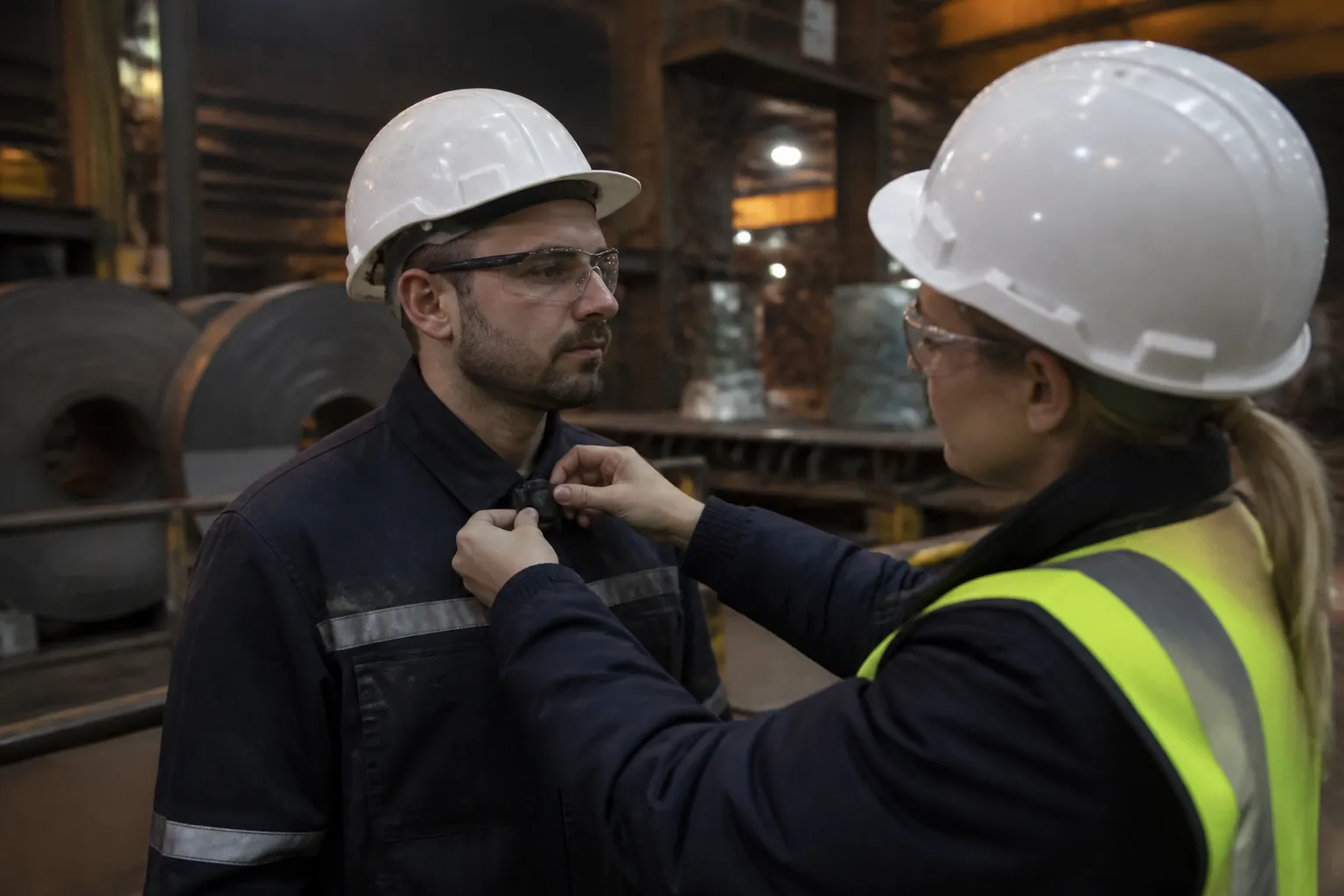
Who actually decides what gets measured when your shop floor is loud or your air feels off? Before you pay for workplace testing, it helps to know what a good industrial hygienist does, how the lab behind them is checked, and which questions separate a solid proposal from a vague one. This guide walks through that in order. It is general information, not personal legal, medical or financial advice, so confirm your specific obligations with a licensed professional.
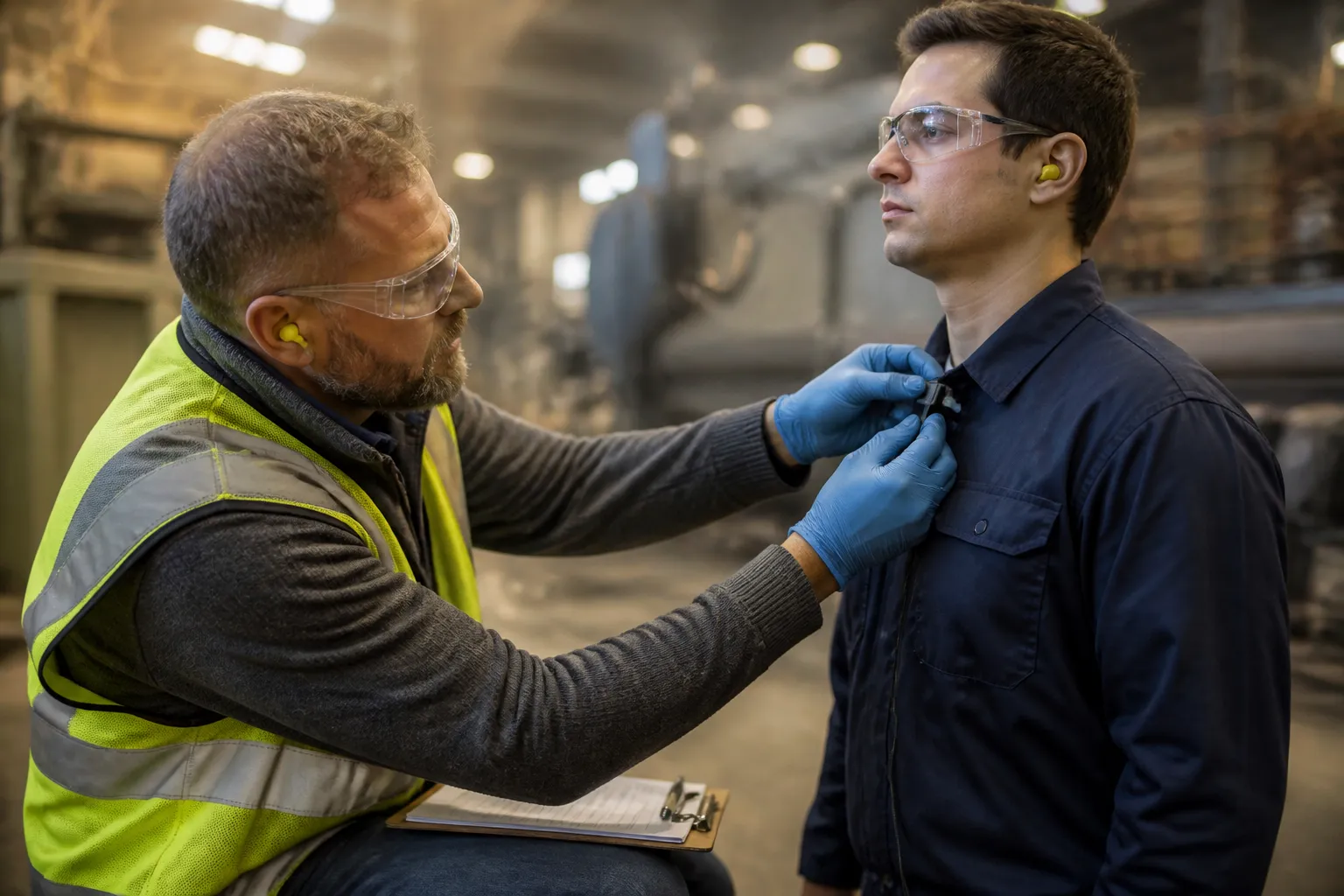
What an industrial hygienist does and how to check credentials
An industrial hygienist plans and interprets exposure testing. That means deciding what to sample, which instrument to use, and how often. If you understand that role, you can tell whether a proposal is scoped correctly before you sign anything.
The Certified Industrial Hygienist (CIH) credential is a useful signal. It is administered by the Board for Global EHS Credentialing (BGC), an independent non-profit formerly called the American Board of Industrial Hygiene, established in 1960. BGC also maintains recertification. The exam itself is demanding: 180 multiple-choice questions over five hours at a Pearson VUE test center, with a $350 fee paid after the application is approved.
The sources I reviewed do not explain how to look up a holder's current status beyond listing BGC contact details. So do this:
- Ask the candidate for their CIH certificate number.
- Contact BGC directly to confirm the status is current.
- Ask what other experience they have with your type of workplace, since the sources do not set qualification standards beyond the CIH.
Choosing between noise and air sampling methods
Noise is measured in one of three ways: a sound level (a point-in-time reading), a time-weighted average over an eight-hour shift, or a noise dose. Each answers a different question, so ask which one the proposal targets and why.
The instrument matters too. A sound level meter suits mapping area noise, finding which machine is loudest, and estimating frequency content. A personal dosimeter is generally the better tool for one worker's exposure, because it averages noise while that person moves through the shift. Jobs that vary a lot, like maintenance and material handling, are better covered by full-shift dosimetry on several representative days than by a short sample. One quiet afternoon can understate the real picture.
For air contaminants, NIOSH publishes the NIOSH Manual of Analytical Methods, a collection of sampling and analysis methods for workplace air, surfaces, and blood and urine. NIOSH says the hygienist should choose the protocol by weighing analytical accuracy, cost, and number of samples. The sources do not cover protocols for particular chemicals or how to compare results with exposure limits, so ask the hygienist to walk you through both for your substances. You can read the NIOSH methods page yourself first.
Noise thresholds and why they matter for scope
The NIOSH recommended exposure limit is 85 dBA over eight hours, and repeated exposure at or above it calls for a hearing loss prevention program. OSHA 1910.95(d) requires monitoring when information suggests an employee may be at or above 85 dBA. OSHA treats 85 dBA as the action level, which triggers full hearing conservation enrollment, and 90 dBA as the permissible exposure limit, which triggers a documented look at engineering controls. A noise dose of 100 percent or more means the daily limit has been exceeded.
That is why scope matters. A well-written proposal should name the job classifications to be sampled, especially any that may reach 85 dBA, and say how many days each will be covered. Assuming a job sits below the action level without data is a weak basis for a decision. Monitoring to confirm is the stronger approach.
Checking that the lab is accredited for the exact method
If air samples go to a lab, check the lab too. AIHA Laboratory Accreditation Programs keeps a searchable directory of accredited labs. You can filter by program, field of testing, or standard method, such as NIOSH 7400. Filter by the method your project needs, not just lab work in general.
Match the program to the job. The lead program (ELLAP) covers lead in air and dust. The industrial hygiene program (IHLAP) covers methods such as PCM, PLM, and TEM.
One catch: labs sometimes modify published methods, and the directory lists the standard version. Ask whether the method was modified and request the written procedure. NIOSH notes that every method should have an initial evaluation. If the lab did not perform one, results should be verified as comparable, and a modified NIOSH method should be re-evaluated. Ask the hygienist how that was handled.
Questions to ask, records to request, and red flags
Bring this checklist to every bidder:
- Which instrument, dosimeter or sound level meter, and which standard, and why?
- Will sampling cover every job classification that may reach 85 dBA, and on how many days for variable jobs?
- Is the lab accredited for this exact method, and was it modified?
- What records will I get, including monitoring date, instrument serial number, and calibration records?
OSHA requires noise monitoring records to be kept at least two years, so confirm who holds them. Also plan for repeat testing. New equipment, higher production rates, aging machines, building changes, or clusters of hearing-test results pointing to higher exposures are all reasons to sample again.
Red flags to watch for:
- A sound measurement app used in place of a regulatory-grade instrument.
- A job declared below the action level with no monitoring data.
- A published standard method accepted without confirming the lab's actual procedure.
On price, the sources give no typical ranges for air or noise testing, and costs vary by state and by how many people, days, and samples are involved. Ask for a written, itemized quote covering sampling days, lab analysis, and the report. Compare bids on scope rather than the bottom line. Turnaround times, report contents, and contract terms were not covered either, so ask about them directly before you sign.
Sources
Still have a question?
Related guides
-

Fixed or Variable: How to Choose a Business Electricity Contract Without Getting Caught Out
A practical checklist for comparing quotes, avoiding the costly rollover to a deemed rate, and asking the right questions before you sign. By Renata Okafor
-

What Happens to Your Business Energy Bill When the Contract Ends
Letting a fixed-term energy contract lapse can quietly move your account to a much higher default rate, so knowing your end date, opt-out deadline and state rules matters.By Neil Ostrander
-

How to Read a Commercial Electric Bill, Section by Section
Supply, delivery and demand charges each answer a different question, and knowing which is which helps you spot errors and compare providers on total cost. By Gideon Aldaine