Repair or Replace? A Practical Guide to Deciding on a Worn Machine
How to frame the choice, what a machine shop repair involves, and which questions to settle before you sign.
 By Renata Okafor ·
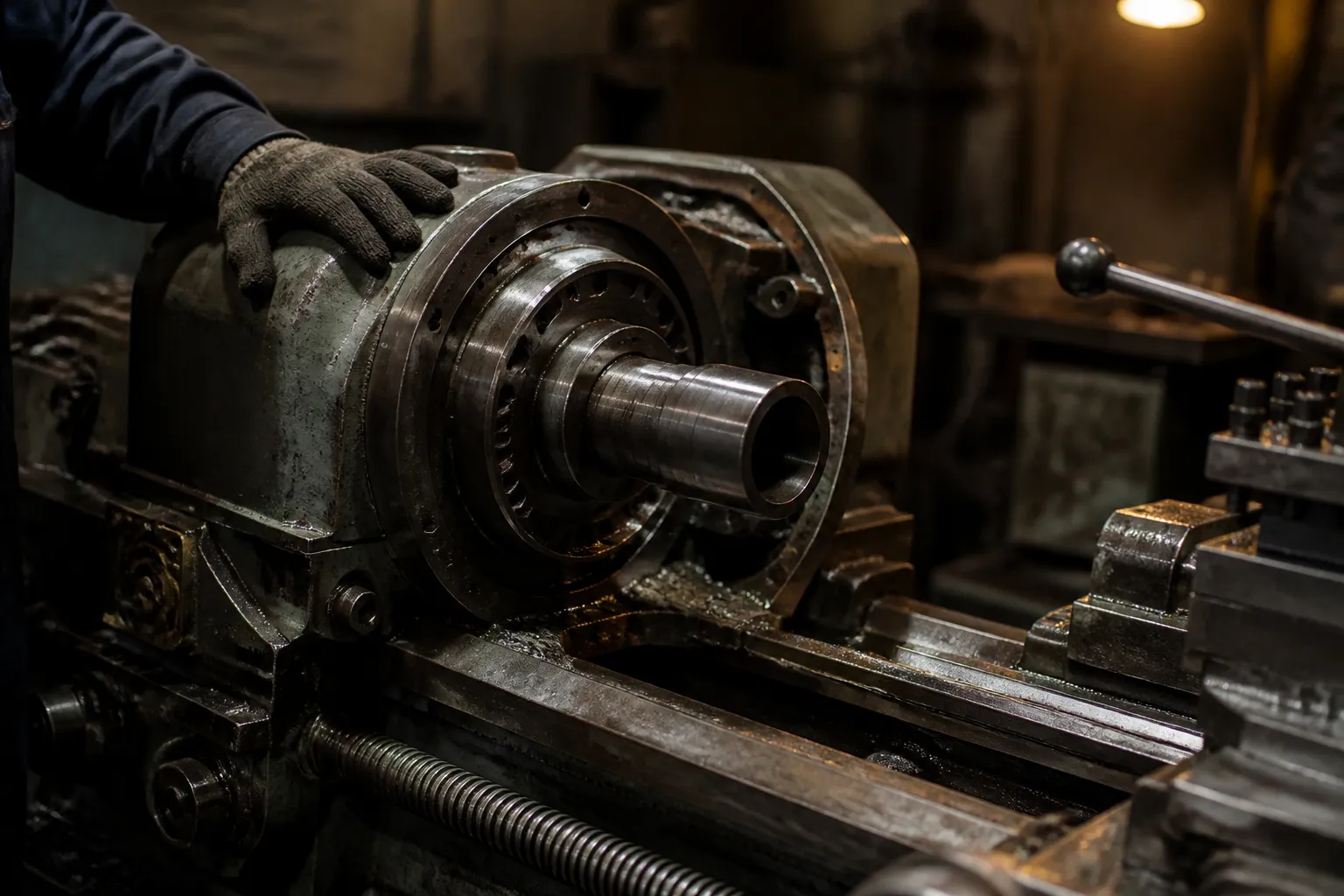
Is your worn machine worth saving, or is it time to write a purchase order? It is a fair question, and the answer rarely comes from a single quote. This guide walks through how to frame the decision, what a machine shop repair involves, what the cost data can and cannot tell you, and what to ask before you sign anything. It is general information only, so run your specific case past a licensed professional such as an engineer, an accountant or an attorney.
Start with what the decision really turns on
Most repair-or-replace decisions come down to where the damage is and how far it goes. One repair-versus-replace guide from a contracting company puts it this way: repair is generally the better answer when the base structure is sound and the damage is localized to a wear surface, bore or journal, and a qualified machine shop can restore it to original equipment manufacturer (OEM) tolerances. Replacement is generally better when the base structure is compromised beyond precision repair, or when the same part keeps failing in the same spot. Repeated failure can point to a design or application problem rather than bad luck. Treat that guide as a starting framework, not a verdict.
Two more questions usually follow:
- Does the machine still have meaningful productive life ahead of it?
- Over that remaining life, does total cost of ownership favor repair or new equipment?
Comparing the repair invoice to the sticker price of a new machine is the most common way this goes wrong. The same guide recommends using condition assessment data and complete cost inputs, including installed cost of new equipment, tariff-driven price increases and delivery timelines. If you do not have that data yet, your first job may be an assessment, not a repair order.
Understand how a machine shop repair works
Most plant floors lack the space, overhead clearance or specialized equipment for precision machining in place. So the usual path has five steps: the component is removed, transported to a machine shop, machined back to specification, inspected, and returned for reinstallation. Each step adds cost and time. A quote covering only machining labor will understate the real project.
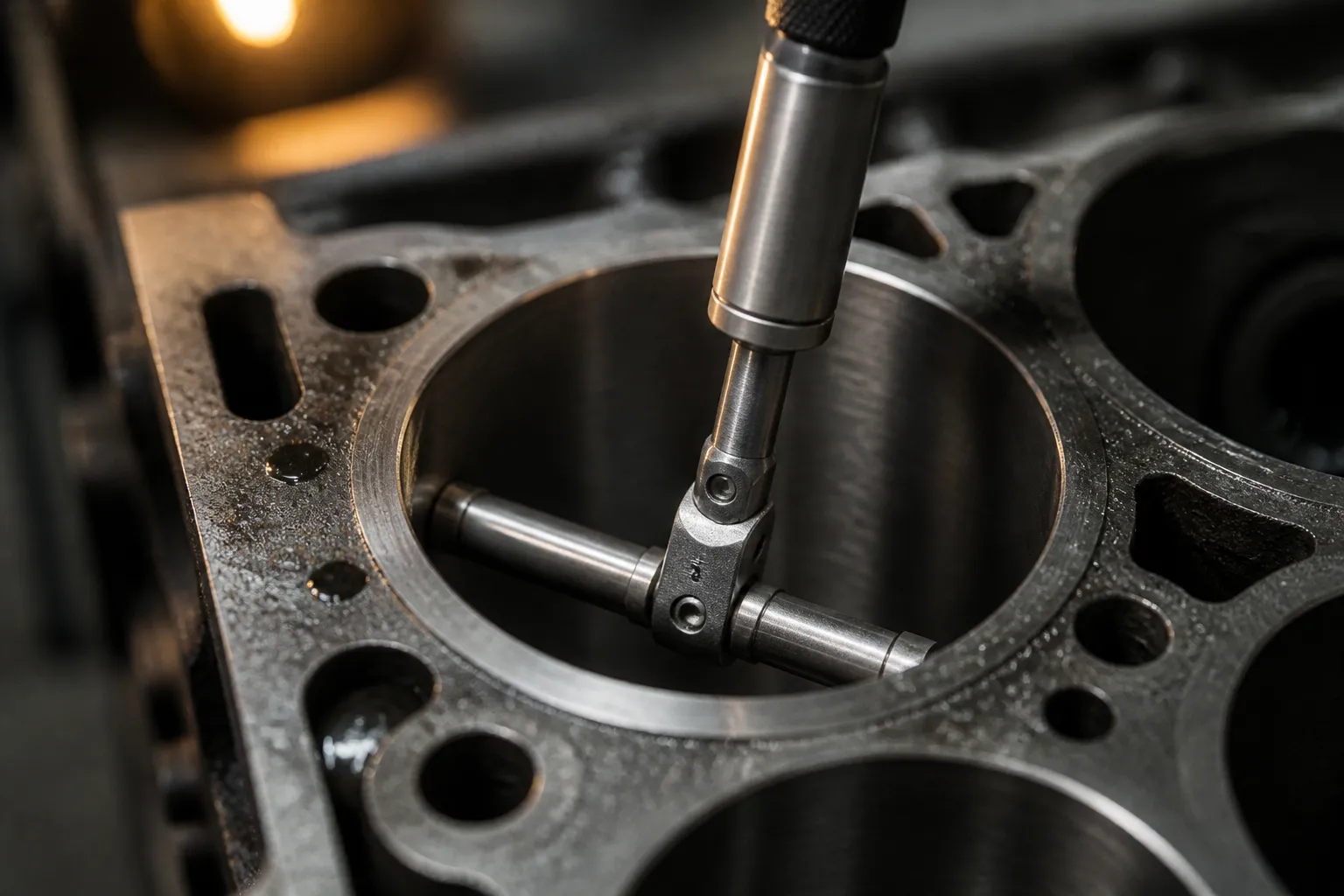
One common capability is line boring, which restores roundness, concentricity and diameter in a bore after wear. Knowing which operation your part needs helps you describe the job accurately and compare quotes on the same scope. A shop that can explain how it measures and records results is easier to evaluate than one that offers only a price.
Know what the cost data does and does not tell you
Published maintenance figures are broad. NIST cites estimates ranging from 15% to 70% of cost of goods sold, and some of that data comes from other countries that may not match US conditions. A 2021 NIST news item points to Census data showing about $50 billion spent on outsourced maintenance and repair in 2016. That number covers only outsourced work, includes building costs and leaves out internal labor and materials. It tells you the market is large, not what your repair should cost.
The sources behind this guide do not give typical US dollar ranges for machine shop repair, machining labor or replacement equipment, and they do not break costs down by state. Prices vary by region, shop, machine size and required precision. Be wary of any figure with no stated source, date and location. For a real budget, collect written quotes from several qualified shops, then request a replacement quote that includes installation and delivery.
Ask the right questions before you hire
Begin with the damage. A shop can only answer these properly after inspecting the part, so ask whether inspection is included in the quote or billed separately. Then work through this list:
- Is the damage confined to a wear surface, bore or journal, or does the base structure show compromise?
- Is the repair cost meaningfully lower than replacement lead time plus total installed cost?
- Has the shop restored similar components to OEM tolerances?
- How will the finished work be inspected before return to service?
- Has this failure happened before in the same location?
A well-run shop should explain its inspection method in plain terms, and it should be willing to tell you when replacement is the more sensible option.
Watch for red flags and known gaps
Be cautious of any recommendation, to repair or to replace, made without condition data or full cost inputs. Be equally cautious of a repair that looks cheap only because removal, transport, reinstallation and downtime were left out. Ask for a total project cost, not a machining-only price.
Some things the available sources simply do not cover, so check them directly with each shop:
- How to verify certifications, quality systems or accreditation
- Warranty terms on repaired parts, and what happens if a repair fails
- Turnaround timelines
- How to compare several shops on equal terms
ISO 55000 is described in industry material as an asset management standard, but those sources do not explain how it applies to hiring a shop, so do not assume it answers these questions.
If you want independent help weighing the choice, the NIST-run Manufacturing Extension Partnership offers advisory services to small and medium-sized US manufacturers through centers covering every state and Puerto Rico. Write down your answers to the questions above, gather your quotes side by side, and decide with a licensed professional before you commit.
Sources
- The Costs and Benefits of Advanced Maintenance in Manufacturing | NIST
- Manufacturing Machinery Maintenance | NIST
- Potential Cost Savings as US Manufacturers Spend Billions on Machinery Maintenance | NIST
- Repair vs. Replace: When Precision Machining Extends Equipment Life
- Manufacturing Extension Partnership (MEP) | NIST
- Breaking It Down – Manufacturing Extension Partnership (MEP) Explained
- How ISO 55000 Supports Maintenance and Asset Management Excellence
- ISO 55000 best practices for strategic planning| Direxyon Technologies
Still have a question?
Related guides
-

Fixed or Variable: How to Choose a Business Electricity Contract Without Getting Caught Out
A practical checklist for comparing quotes, avoiding the costly rollover to a deemed rate, and asking the right questions before you sign.By Renata Okafor
-

What Happens to Your Business Energy Bill When the Contract Ends
Letting a fixed-term energy contract lapse can quietly move your account to a much higher default rate, so knowing your end date, opt-out deadline and state rules matters. By Neil Ostrander
-

How to Read a Commercial Electric Bill, Section by Section
Supply, delivery and demand charges each answer a different question, and knowing which is which helps you spot errors and compare providers on total cost. By Gideon Aldaine