What a Commercial Roof Really Costs, and Why Bids Look So Different
Material prices are only part of the picture, so compare scope, insulation, code requirements and exclusions before choosing a bid.
 By Neil Ostrander ·

What should a commercial roof cost, and why do two bids for the same building look so far apart? The honest answer is that the material sets only part of the price. Scope, insulation, code requirements and what the bid leaves out do the rest. This guide walks through the published figures, shows where they stop being useful, and gives you a checklist for the bid conversation. It is general information only, not personal financial, legal or professional advice, so confirm specifics with a licensed roofing professional or engineer.
Why the roof budget deserves early attention
A commercial roof is one of the largest capital expenditures a building owner will face, so it pays to build a realistic number before you ask anyone for a bid. At that stage you can still shape the scope and the timing. After bids arrive, you are mostly reacting to them.
Maintenance belongs in the budget too. The National Roofing Contractors Association (NRCA) describes maintenance as one of the most neglected parts of a roof management program, and it treats it as the most important factor after proper installation in determining how long a roof lasts and what it costs over time. Estimates also need breathing room. Construction estimates typically carry a contingency for unforeseen conditions, and escalation depends on the economy and on how long you wait between the estimate and the start of work.
Published cost figures by material
One industry cost guide, built from contractor bids across 38 states, puts a roof on a 25,000 square foot facility at roughly $150,000 to $350,000, depending on the system. It says that figure has risen 18 to 22 percent since 2021, and it points to material costs, a shortage of skilled labor and updated energy code requirements.
For individual membranes, the same guide lists two figures:
- TPO (60 to 80 mil): $6.50 to $9.50 per square foot installed, with a 20 to 30 year lifespan. It is described as a strong value for office, retail and warehouse buildings.
- EPDM (60 to 90 mil): $5.50 to $8.50 per square foot installed, also with a 20 to 30 year lifespan.
Other sources do not line up neatly. An online calculator advertises $3.50 to $14 per square foot using 2026 data across five US regions, and a cost-data publisher's renovation book covers commercial projects from $25,000 to $1.5 million. Treat every range as a starting point, not a quote. Costs vary by state and by building. The material reviewed did not include figures for PVC, modified bitumen, built-up, spray foam or metal, so this guide cannot compare those systems.
What the per-square-foot numbers include and leave out
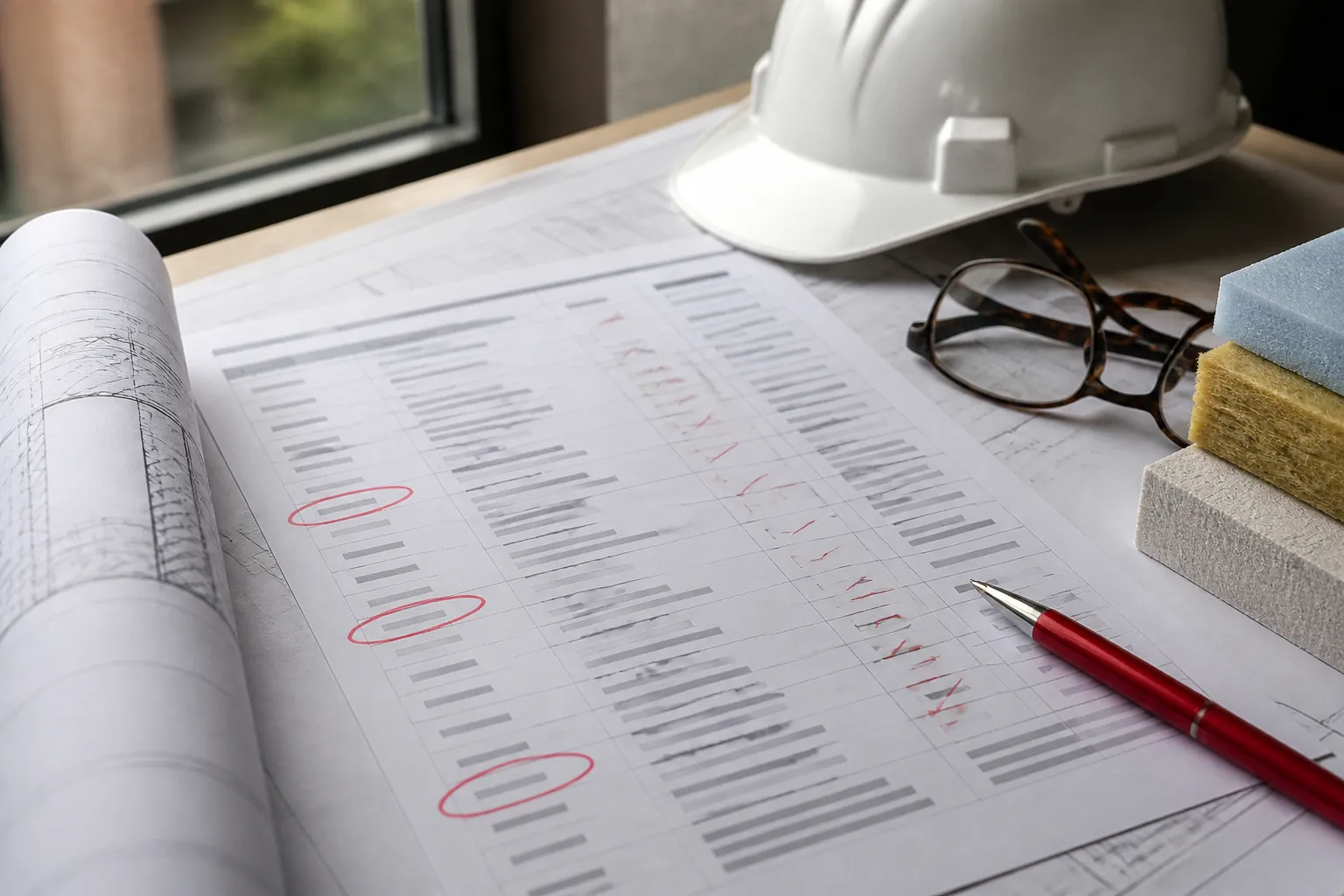
The membrane figures generally cover the membrane or panels, insulation, standard flashings and labor. Insulation is commonly cited at a minimum of R-25 under current energy code in most climate zones. The figures generally leave out tear-off of the old roof, permits and engineering. That gap is where a low headline number can quietly turn into a high final invoice.
Energy codes matter as well. The cost guide cites ASHRAE 90.1-2022 and the 2024 International Energy Conservation Code as current references, and compliance can change insulation levels and therefore price.
Green roofs are a separate case. Oak Ridge National Laboratory and the Single-Ply Roofing Industry (SPRI) found that energy savings depended on climate and on how efficient the heating and cooling equipment was, with testing in a mixed climate in East Tennessee. A 2010 trade article said vegetative roof prices could reach double digits per square foot. That is dated, so check it against current bids.
How to compare options without overpaying for the wrong reason
Start with a longer horizon. The cheapest roof to install is rarely the cheapest to own, so compare upfront cost against total cost over about 25 years, including repairs, maintenance and any early replacement. The sources reviewed did not supply those 25-year figures, so you will need to build them from real bids.
- Set the budget before you request bids.
- Put lifespan next to price. TPO and EPDM are both listed at 20 to 30 years, so a small price gap may matter less than fit.
- Factor in your climate and your heating and cooling equipment, since energy performance varies.
- Ask for the reasoning behind each system choice, not just the number.
- Plan for repairs. NRCA guidance says a sound repair plan covers emergency and temporary fixes as well as permanent ones.
Questions to ask before accepting a bid
Once bids are in, the goal is to make them comparable. A short list of questions does most of that work, and each one is tied to a gap in the headline figures.
- Does the bid include tear-off, permits and engineering? If not, add them before deciding which bid is lowest.
- Does the insulation meet current energy code, including the commonly cited R-25 minimum where it applies?
- Is a maintenance plan included or available?
- Does the budget carry a contingency for surprises, such as damaged decking found after the old roof comes off?
A few red flags follow from this. Be wary of a bid that is far below the others and silent on tear-off, or one that cannot explain why it chose a given system. Also keep the limits of this guide in mind. The sources are industry and commercial publications, not government data, and they do not verify contractor bids. Warranty terms, contractor qualifications and credential checks are not covered here and deserve their own review before you sign anything.
Sources
- Commercial Roof Cost Guide (2026) | Commercial Roof Guide
- National Roofing Contractors Association Home - NRCA
- Roof Repair and Maintenance - National Roofing Contractors Association
- Vegetative Roofs Save Energy | Roofing Contractor
- 2026 Commercial Renovation Costs Book
- Commercial Construction Cost Databases Guide
- Estimating Best Practices Using RSMeans Data | Construction Cost Guide
- Roofing Cost Calculator 2026 — $3.50–$14/Sq Ft | CalcSummit
Still have a question?
Related guides
-

Fixed or Variable: How to Choose a Business Electricity Contract Without Getting Caught Out
A practical checklist for comparing quotes, avoiding the costly rollover to a deemed rate, and asking the right questions before you sign. By Renata Okafor
-

What Happens to Your Business Energy Bill When the Contract Ends
Letting a fixed-term energy contract lapse can quietly move your account to a much higher default rate, so knowing your end date, opt-out deadline and state rules matters.By Neil Ostrander
-

How to Read a Commercial Electric Bill, Section by Section
Supply, delivery and demand charges each answer a different question, and knowing which is which helps you spot errors and compare providers on total cost. By Gideon Aldaine