What Commercial Pest Control Should Cost and How to Compare Quotes
Price depends on your property, your pest pressure and your schedule, so this guide shows how to compare quotes on equal footing.
 By Renata Okafor ·
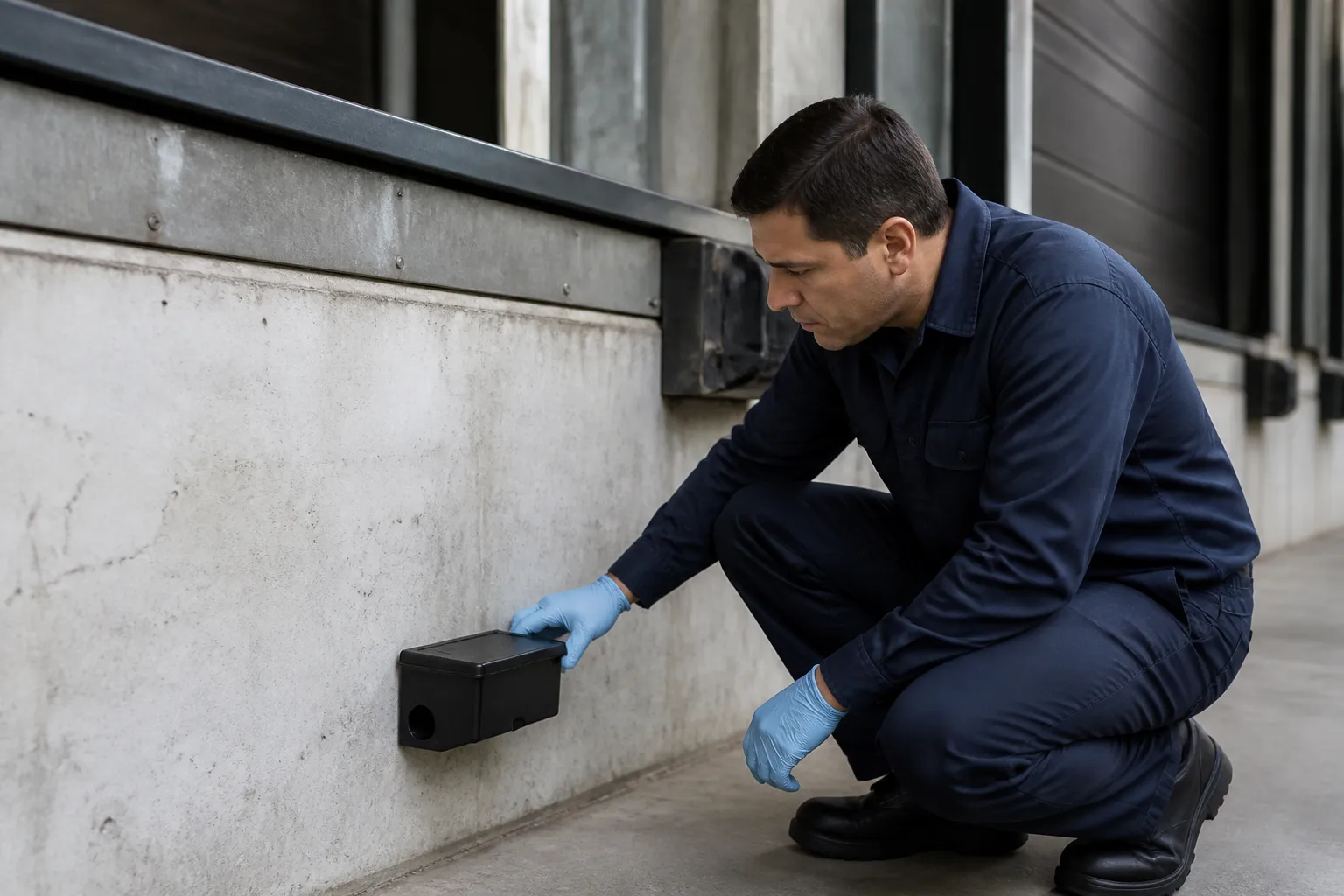
What should a pest control contract for your office, warehouse or restaurant actually cost, and how do you know a quote is fair? The honest answer is that it depends on your building, your pests and your state. This guide walks through the price drivers, a sample set of ranges, the add-ons that surprise people, and a checklist for comparing providers. It is general information only, not personal financial, legal or medical advice, so check specifics with a licensed pest professional and your local health authority.
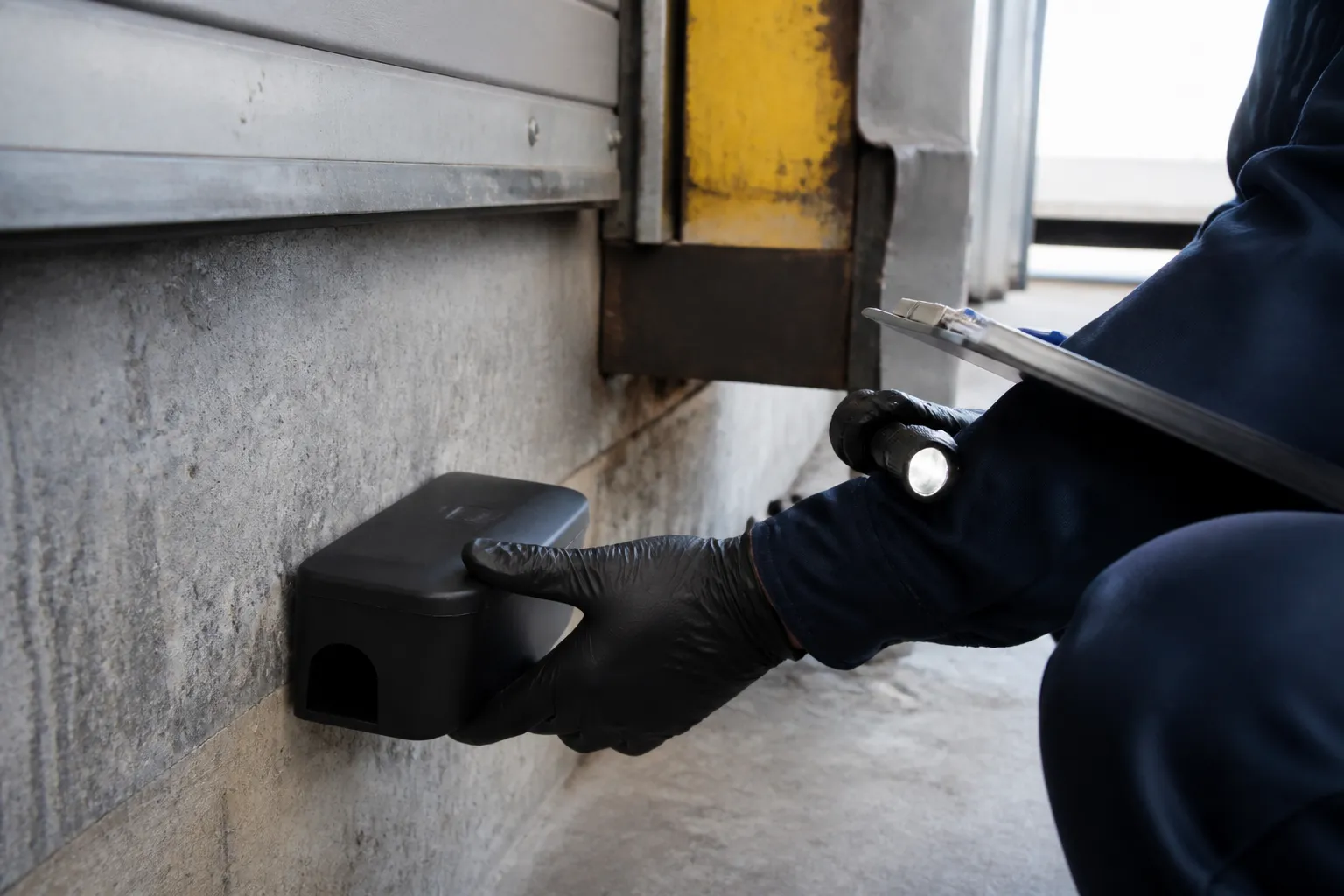
What drives the price
Three things set most quotes: the property, the pest pressure and the schedule. Offices, restaurants, warehouses, schools and multi-tenant buildings each carry different risks. Total square footage and floor count shape how much inspection and treatment time a technician needs. Pest pressure matters just as much as size. German cockroaches in a restaurant kitchen or rodents near a loading dock usually mean more visits and more intensive work than a single isolated sighting.
Before you request quotes, gather these details so every company prices the same job:
- Square footage, number of floors and whether the building is shared with tenants.
- What you have seen, where you saw it and how often.
- The visit frequency you want: monthly, bi-monthly or quarterly.
- Whether service must happen after hours.
Monthly service costs more over a year than quarterly visits. After-hours access for a busy restaurant or warehouse can add to the price too.
Typical price ranges and their limits
Published commercial pricing is thin, so treat any number as a reference point. One provider in Plano, Texas lists about $50 to $200 per month for ongoing maintenance, $200 to $600 for a standard one-time treatment, and $750 to $1,500 for severe or specialty infestations. Its initial inspection runs from free to about $149 depending on complexity. Those figures come from a single company's pricing page, not a state or national survey, and the page itself says the final price is set after a site evaluation.
Costs vary by state, city and situation. A dense urban restaurant may pay differently than a rural warehouse. To compare fairly, use this short routine:
- Ask each company for a written quote after an on-site evaluation.
- Confirm the visit frequency matches across quotes.
- Confirm the inspection and monitoring steps match.
- List the add-ons and paperwork included in each.
- Only then compare the totals.
Add-ons and compliance costs
The base service is often not the whole bill. Restaurants and some other commercial sites need food safety audit support, logbooks, device mapping, certificates of insurance and safety data sheets. Providers may charge to prepare or maintain these. Items such as rodent stations, fly lights, drain treatments and exterior mosquito reduction are frequently priced separately, so ask what is in the base price and what is extra.
For food establishments, the FDA Food Code calls for operators to prevent pest entry and harborage. It is a model that state and local regulators adopt, so your local rules decide the details. In Wisconsin, for example, county or municipal health departments handle routine inspections, and pest violations can lead to re-inspection, fines or permit suspension. A sound program costs money, but a closure costs more. You can read the FDA Food Code overview to see the standard your inspector starts from.
How an IPM program is structured
Many commercial programs follow Integrated Pest Management, which the EPA describes as a common-sense approach that uses data on pest life cycles and the least possible hazard to people and property. It is a repeating cycle, not a one-time spray. The EPA's IPM principles list four steps:
- Set action thresholds, since one sighting does not always call for control.
- Monitor and identify pests with sticky traps, pheromone lures, light traps and visual surveys.
- Prevent problems by sealing cracks and utility entry points, trimming vegetation back, and repairing fascia, soffits and roof shingles.
- Control with the least-risk options first, such as physical barriers, biological controls and targeted chemical applications.
Results are recorded after each visit and the plan is adjusted. Food service programs typically begin with a baseline inspection by a licensed applicator that finds active infestations, entry points, harborage zones and moisture sources.
How to choose and compare providers
Start with credentials, because they are quick to verify. Confirm the company holds a valid commercial pesticide application business license in your state. Confirm each technician on your account is a certified commercial applicator or works under one's direct supervision. Federal FIFRA rules and state licensing both apply. Ask for proof of liability insurance and a certificate of insurance. Membership in a national, state or local pest control association can signal continuing education, though it does not replace a license check. PestWorld's hiring advice covers these points in more detail.
Then look for fit. A 2025 NPMA survey found 96% of commercial decision-makers want a provider that can customize services. Your provider should know your facility type and the rules you face, such as the Food Code, state health rules or local notice requirements. In New York City, for instance, applications on City-owned or City-leased property must be reported through the NYC Pesticide Use Reporting System.
Questions to ask and red flags
Bring this list to every sales visit:
- How do you set action thresholds, and when do you decide to treat?
- What records do you keep, and can you share them with our inspectors?
- Which health or food code standards does your program follow?
- What does the base price exclude?
- Do you handle local pesticide notice or reporting rules for our property?
Be cautious of routine spraying on a fixed schedule with no monitoring or identification step. That conflicts with the threshold approach IPM uses. Be just as wary of any provider that cannot show a current license, insurance or service documentation. If a quote is vague about scope, ask for it in writing before you sign.
Sources
- Integrated Pest Management Programs & Plans for Businesses - PestWorld
- Pest Control Exterminators: Hiring Professional Pest Management Companies
- FDA Food Code | FDA
- Pest Control for Wisconsin Food Service and Restaurant Establishments
- Commercial Pest Control in New York | Smart Rodent Exterminator
- Commercial Pest Control Cost In Plano, TX | Preferred Pest Management
- Integrated Pest Management (IPM) Principles | US EPA
- Integrated Pest Management (IPM) Services
Still have a question?
Related guides
-

Fixed or Variable: How to Choose a Business Electricity Contract Without Getting Caught Out
A practical checklist for comparing quotes, avoiding the costly rollover to a deemed rate, and asking the right questions before you sign.By Renata Okafor
-

What Happens to Your Business Energy Bill When the Contract Ends
Letting a fixed-term energy contract lapse can quietly move your account to a much higher default rate, so knowing your end date, opt-out deadline and state rules matters. By Neil Ostrander
-

How to Read a Commercial Electric Bill, Section by Section
Supply, delivery and demand charges each answer a different question, and knowing which is which helps you spot errors and compare providers on total cost. By Gideon Aldaine