Who Is Responsible When a Temporary Worker Gets Hurt? A Buyer's Checklist
Safety duties for temporary workers are split between the staffing agency and the host site, so asking each party for its role in writing before an assignment starts can prevent confusion after an incident.
 By Renata Okafor ·

Who is actually responsible if a temporary forklift operator gets hurt on your dock, the agency that hired the person or the site where the accident happened? It is the question buyers tend to ask after an incident, and it is much cheaper to ask before. This guide walks through how safety duties are split, what to ask each agency, and what to watch for. It is general information, not legal, medical or financial advice, so check anything high-stakes with a licensed professional.
Why safety responsibility is shared
A temporary worker is usually hired and paid by a staffing agency but does the work at a host employer's site. That split is the reason safety duties are shared. According to the LINK Staffing overview of temporary worker safety, OSHA treats the agency and the host employer as joint employers for workplace safety purposes. Their duties are not identical, though, and that difference is where confusion starts.
So the first step when comparing agencies is simple. Ask each one to describe, in its own words, its role in keeping placed workers safe. An agency that can explain the split clearly is easier to work with. One that treats safety as the client's problem alone has told you something useful before you have signed anything.
How the agency and the host employer divide duties
In general, the agency places the worker, maintains the employment relationship, and has a duty to inquire into the conditions where its employees are assigned. It also responds to reported hazards and concerns and follows up during the assignment. It may provide general safety and health training as well.
The host employer usually controls the physical workplace, the daily work, the equipment and the site-specific hazards. It generally provides the site-specific and equipment-specific training. Because the exact division depends on the workplace, the assignment, the hazards and each party's degree of control, responsibilities can overlap. Both sides should coordinate so required training and protections are actually covered, and they should revisit the plan when duties change materially.
Questions to ask an agency before you choose
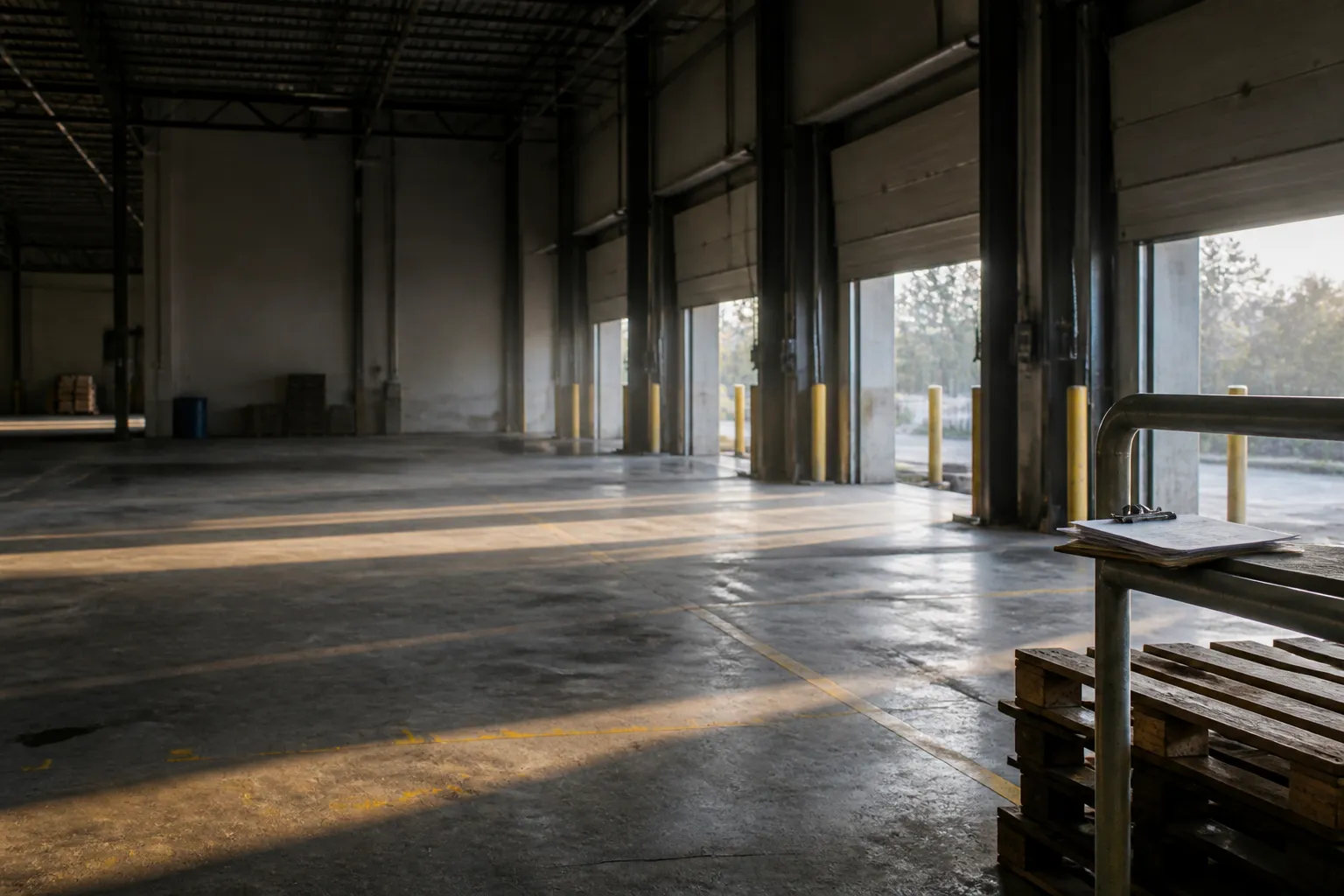
Warehouse and production sites often involve forklifts, machine guarding, lockout procedures and repetitive-motion tasks. Vague answers on any of these are a reason to slow down. Before any assignment begins, clarify in writing who handles each category of training and each type of hazard. Bring this list to every call:
- Who provides general safety and health training, and who provides site-specific and equipment-specific training?
- How will the agency inquire into worksite conditions, and how does it verify that the host has addressed its own safety responsibilities?
- When a worker reports a hazard, who follows up, and how quickly?
- What happens to the safety plan if job duties change partway through an assignment?
A good answer names a responsible party for each item rather than offering a general promise to train workers. Ask for the answers in writing where possible, and keep them with your assignment records.
What costs, state rules, and contract terms are not covered here
The sources behind this guide give no fee, markup or pricing figures for staffing services, so no dollar ranges appear here. Agency fees can vary by state, by industry and by the type of worker placed. Ask each agency for its pricing structure in writing and compare the terms line by line instead of relying on one number.
State rules on staffing and workplace safety were not covered either. The American Staffing Association site lists contract terms, including indemnity provisions, as topics, but their content was not captured. Read any contract carefully, and consider having a qualified attorney review indemnity and liability language before you sign.
The ASA page on choosing a staffing firm came through with almost no usable text, so it offers no selection criteria here. The ASA member directory can help you find member firms. Membership alone does not confirm the quality of an agency's safety practices.
Red flags to watch for during selection
Be cautious of an agency that cannot say who trains workers on site-specific equipment, or that treats safety questions as the host's job entirely. Shared responsibility means both parties have real duties. An agency that disclaims all of them is a warning sign.
Be wary, too, of fuzzy answers about follow-up. If an agency cannot explain how it responds to reported hazards or how it revisits the plan when work changes, ask for a written description before committing. Recordkeeping duties also apply, but the full OSHA requirements were not in the sources reviewed, so confirm them directly with OSHA or your state plan. Read the LINK Staffing overview for the shared-responsibility framework, then take your written questions to each agency you are considering.
Sources
- Temporary Worker Safety: Who Is Responsible? | LINK Staffing
- https://vertexaisearch.cloud.google.com/grounding-api-redirect/AUZIYQFvW_0WlUemZQ7MahlsncdLlu_Thq5HPIFxjLCY9KGR4XQgr7h7V-1930uw-83HxVw6DUtih-PR6YDLSBTAm-tfSD85HLRo6d1udJsjuSqaoW0vLI5f7V8aky7yVj4g-J2wzSJ-tlymZBux2PISBIxUpV2BJG-hRYOgZNs-9T_y
- Tips on Choosing a Staffing Firm – ASA
- Find An ASA Member Staffing Firm
- American Staffing Association
- Community & Networking – American Staffing Association
Still have a question?
Related guides
-

Fixed or Variable: How to Choose a Business Electricity Contract Without Getting Caught Out
A practical checklist for comparing quotes, avoiding the costly rollover to a deemed rate, and asking the right questions before you sign.By Renata Okafor
-

What Happens to Your Business Energy Bill When the Contract Ends
Letting a fixed-term energy contract lapse can quietly move your account to a much higher default rate, so knowing your end date, opt-out deadline and state rules matters. By Neil Ostrander
-

How to Read a Commercial Electric Bill, Section by Section
Supply, delivery and demand charges each answer a different question, and knowing which is which helps you spot errors and compare providers on total cost. By Gideon Aldaine