Who Stands Behind Your Metal Building? How to Check Accreditation and Claims Before You Buy
Verifying manufacturer and erector credentials, and getting answers in writing about freight damage and field-fit problems, matters more than comparing prices first.
 By Renata Okafor ·
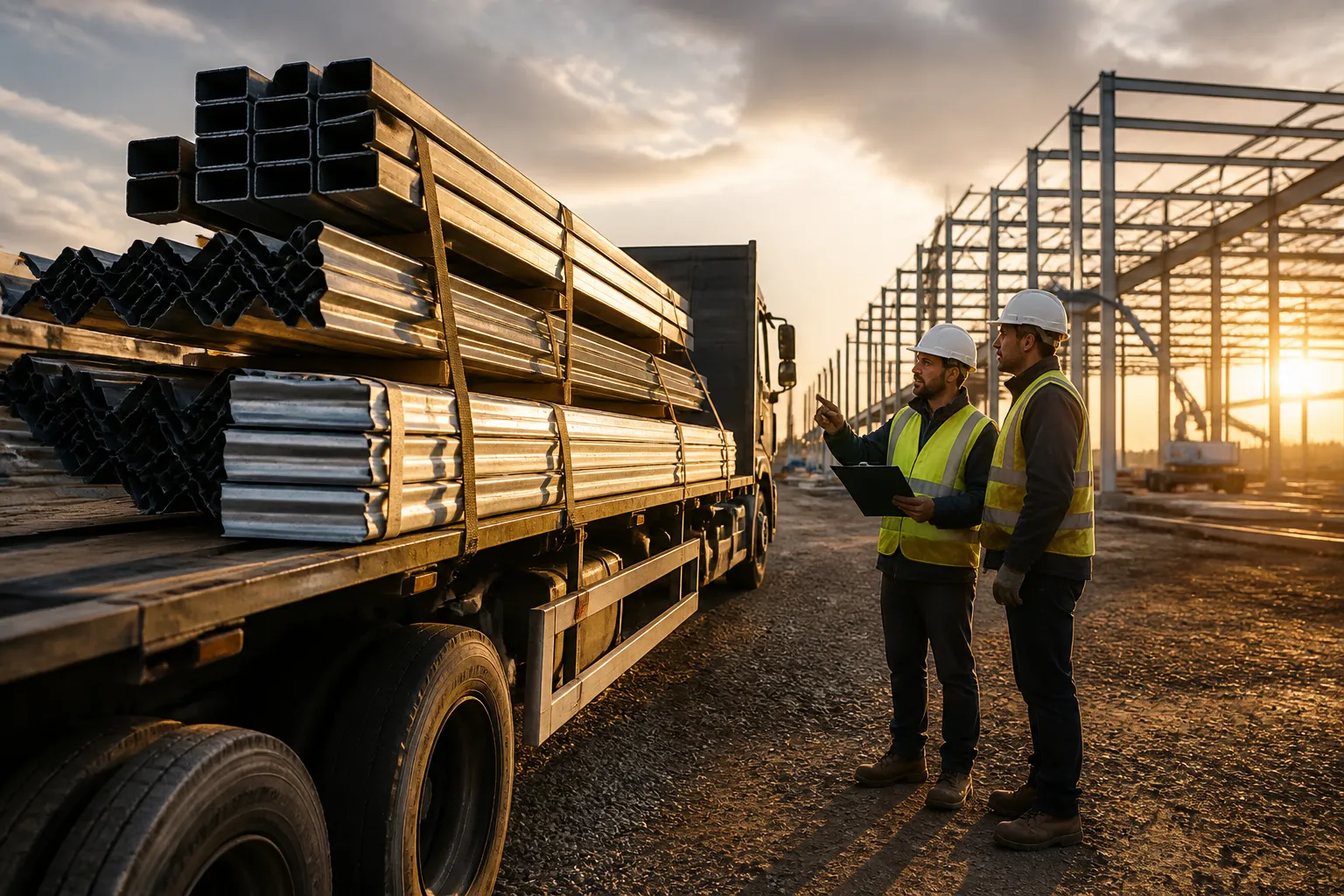
Who actually stands behind your metal building when a crate arrives short or a frame doesn't line up? Most buyers ask about price first and responsibility second. It works better the other way around. This guide walks through what you are buying, which credentials to check, which questions to put in writing, and which warning signs deserve a pause. It is general information only, not legal, engineering or financial advice, so have a licensed professional review your contract.
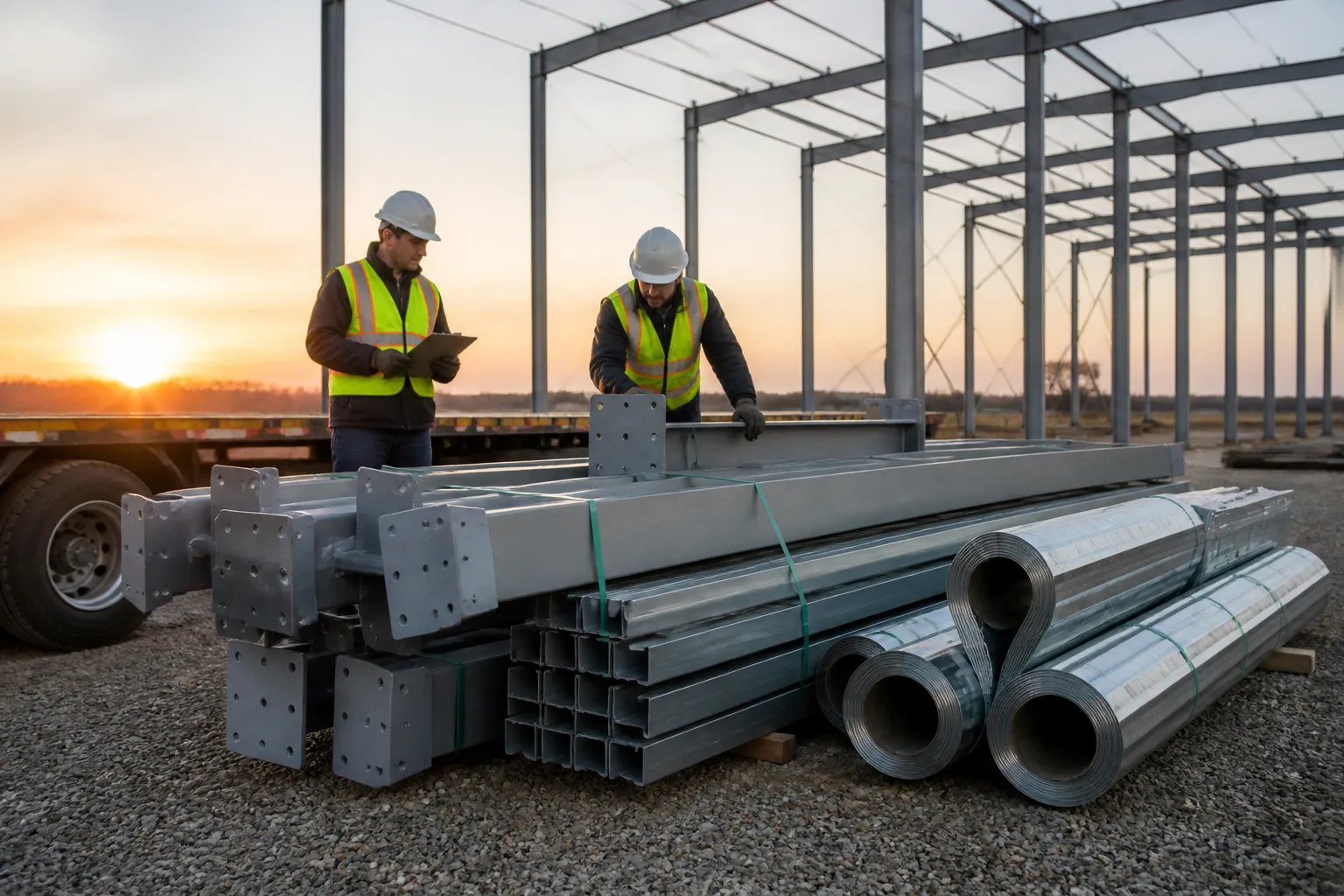
Understand what you are buying and who does what
A pre-engineered metal building is usually sold as a package. The primary steel frames, the secondary members (purlins and girts) and the metal roof and wall cladding form one interdependent structural system. Because the parts are designed to work together, the supplier who engineers the building and the erector who assembles it share some responsibilities. Knowing where one stops and the other starts is the first step in choosing well.
The Metal Building Manufacturers Association (MBMA) describes the process in four stages: conceptualizing, fabrication, construction and completion. Components are typically shipped ready to bolt together, with no field welding and no jobsite scrap. MBMA also says one source can manage design, fabrication, delivery and construction support, and that a shell can go up in 30 to 50 percent less time than competing framing systems. That is a schedule claim, not a price claim.
One point surprises new buyers. A prefabricated building is still subject to the same building codes and material standards as any other construction. You still need to meet local load and use requirements, and you should expect permits and inspections.
Check accreditation and membership before you compare prices
Accreditation is the most concrete screen you have. Metal building manufacturers are expected to hold IAS accreditation under AC472, which IAS says verifies that approved manufacturers meet Chapter 17 of the International Building Code. MBMA says Building Systems members must hold AC472 and employ engineers and designers who oversee building designs. It also reports that IAS audits member plants annually.
Run through this short checklist before you request a single quote:
- Ask the manufacturer for a current IAS certificate, not a verbal assurance.
- Look the company up in the MBMA Building Systems directory, which is organized by state or region.
- Check the IAS directory of accredited manufacturers as a second source.
- Ask your local building official whether the supplier meets local requirements. MBMA notes they can confirm this.
Status can change, so verify close to signing rather than trusting an old brochure. For the erector, MBMA encourages IAS AC478 accreditation, a benchmark for companies that assemble and erect metal buildings. It signals commitment to quality, safety, organization and professional qualifications. It does not replace state contractor licensing, which your state licensing board handles separately.
Ask questions that expose how problems will be handled
Freight damage, missing components, fabrication discrepancies and field-fit problems are common, especially on compressed schedules or when the erector did not buy the building directly from the manufacturer. The time to learn who pays is before you sign, not on the day a bundle of girts turns up bent.
Put these questions to both the supplier and the erector, and ask for the answers in writing:
- Is the manufacturer AC472 accredited, and can it show a current certificate?
- Does the erector hold AC478 accreditation?
- Will one company handle design, fabrication, delivery and construction support?
- How are freight damage, missing parts and fabrication discrepancies reported, and within what time frame are they resolved?
- Who pays for field-fit corrections, rework and delays?
- Does the manufacturer use certified ultrasonic testing personnel under the MBMA model written practice? This matters most where welds or connections are critical.
The MBMA Manual of Standard Practice sets out reporting procedures, but it is not binding and is often applied inconsistently in the field, according to the Metal Building Contractors & Erectors Association. So the terms in your own purchase agreement count for more than industry guidance.
Recognize warning signs in claims and documentation
The MBCEA claims guidance names delayed, under-documented and unresolved claims as a recognized industry problem. A supplier that cannot explain its claims process before the project starts is showing you how disputes may go later.
- No clear claims or documentation process before work begins.
- Reluctance to show an IAS certificate, or vague answers about accreditation. MBMA warns that buying from a non-accredited manufacturer can add risk.
- Defect settlements that count only the replacement material and ignore crew downtime, re-erection labor or schedule slippage. Contractor groups argue those field costs deserve consideration, so ask how the manufacturer treats them.
Any one of these is a reason to slow down and compare other options.
Plan for what this guide does not cover
The sources behind this guide give no dollar figures for buildings, supply or erection. Costs vary widely by state, building size, loading requirements and timing, so any US range you see should be treated as a rough starting point. Get written quotes that itemize materials, engineering, delivery and erection, and compare them line by line.
Several topics need their own homework: state contractor licensing, insurance and bonding, warranty terms, and local permits and inspections. Your building department and state licensing board are the authorities there. Before you sign, have an attorney or other qualified professional review the contract, and confirm every company's status directly with IAS and MBMA as of today.
Sources
- Home | MBMA
- Accreditation | MBMA
- MBMA - MBMA Education
- Building Systems Directory | MBMA
- Metal Building Manufacturer Claims: MBCEA Best Practices - Metal Building Contractors & Erectors Association
- Design Resources | MBMA
- IAS: Metal Building Systems Inspection Accreditation
- Affiliates & Partners - Chief Buildings – chiefbuildings.com
Still have a question?
Related guides
-

Fixed or Variable: How to Choose a Business Electricity Contract Without Getting Caught Out
A practical checklist for comparing quotes, avoiding the costly rollover to a deemed rate, and asking the right questions before you sign.By Renata Okafor
-

What Happens to Your Business Energy Bill When the Contract Ends
Letting a fixed-term energy contract lapse can quietly move your account to a much higher default rate, so knowing your end date, opt-out deadline and state rules matters. By Neil Ostrander
-

How to Read a Commercial Electric Bill, Section by Section
Supply, delivery and demand charges each answer a different question, and knowing which is which helps you spot errors and compare providers on total cost. By Gideon Aldaine