A Burst Pipe Is Covered Often, but Not Always
Standard policies usually pay for sudden plumbing breaks, while floods, sewer backups, gradual leaks and freezing that the insurer deems preventable are commonly excluded.
 By Marcus Delaney ·
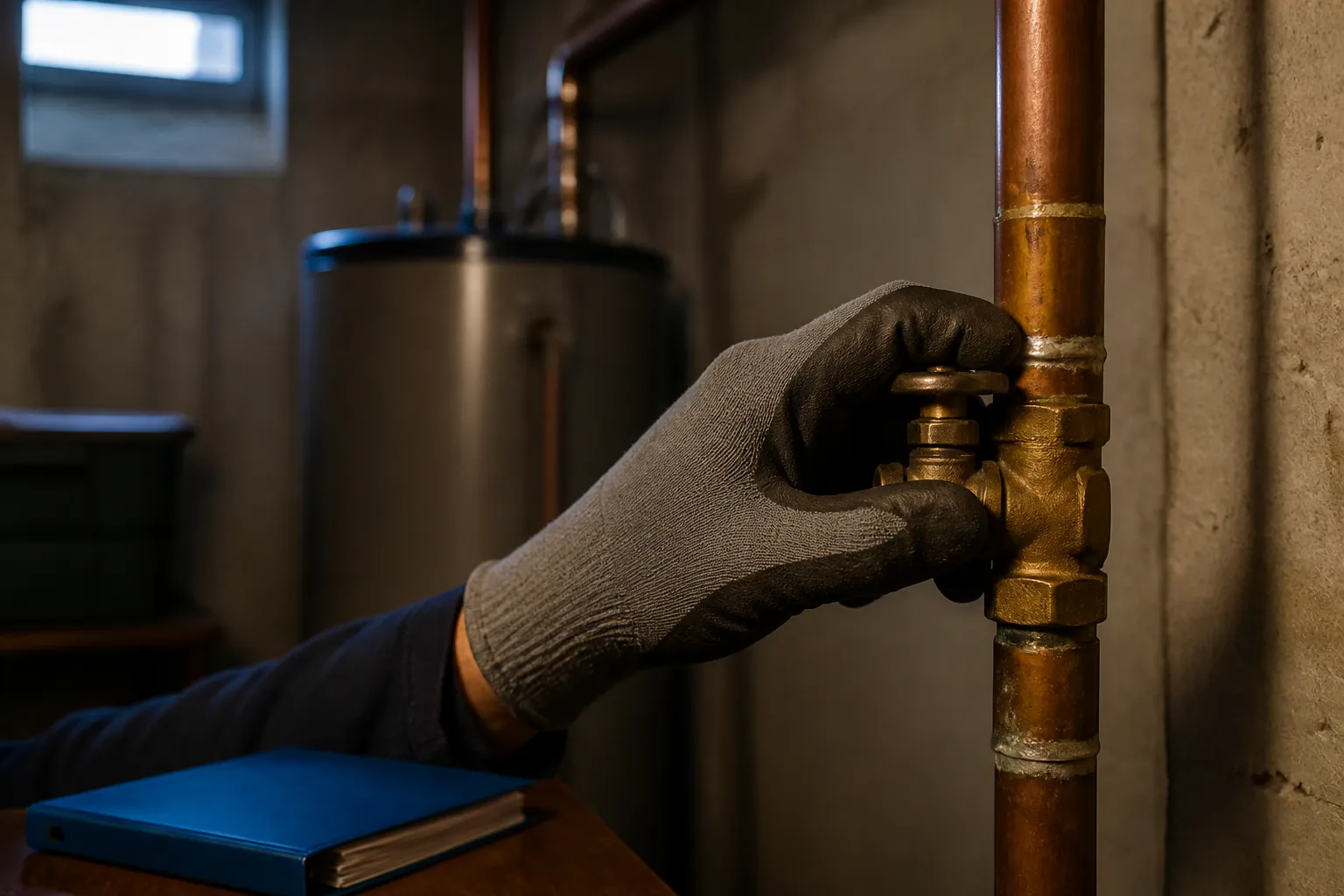
The average water damage and freezing claim ran about $83,991 in 2018 to 2022. The average across all property losses was $15,570. Those figures come from Triple-I data covering multiple peril policies, and they exclude Alaska, Texas and Puerto Rico. A burst pipe is rare. When it happens, it is expensive.
What a standard policy usually covers
Most homeowners policies cover water that escapes suddenly and accidentally from plumbing, heating, air conditioning or sprinkler systems. Standard forms such as HO-2 and HO-3 list that discharge as a covered peril. They also list freezing of those systems. So a pipe that freezes and bursts is generally treated like any other sudden break. The key phrase is "sudden and accidental." Find it in your own policy and read the sentence around it.
Water from above is also generally covered. Rain that comes through a storm-damaged roof is one example. A burst sprinkler is another. Renters policies commonly follow the same logic for a burst pipe inside a rented unit.
One burst can touch several parts of a policy. Dwelling coverage, often called Coverage A, pays to repair the structure, such as walls, floors and cabinets. Other parts may apply to damaged belongings or to living costs if you cannot stay in the home during repairs. Limits and deductibles differ for each part.
What is commonly excluded
Flood is excluded under standard homeowners and renters policies. Flood cover comes from a separate policy, either through the National Flood Insurance Program or from some private insurers. Rising water is not the same thing as a broken pipe, and the policy treats them differently.
Sewer and drain backup is the next gap. A typical policy does not cover it, and flood insurance does not either. Some insurers sell a rider or endorsement, and some policies include it. Check before the basement fills, not after.
Maintenance problems are excluded too. So are mold and termite or pest damage. Gradual damage, such as a slow leak that nobody fixed, is often denied. A sudden burst is more likely to be paid. Some insurers offer water seepage coverage as an add-on. One example cited is an HO-5 policy, but terms vary by company, so ask for the wording.
Freezing precautions and the insurer's position
Heat matters in frozen pipe claims. An insurer may deny a plumbing, heating, air conditioning, sprinkler or appliance loss if it decides you did not take reasonable steps against freezing. Some policies set a minimum temperature, whether the home is occupied, vacant or unoccupied. Public guidance suggests about 69 degrees, and never below 55 degrees in any area. Your policy's number is the one that controls.
The sources do not say whether you must prove you kept the heat on. Assume you may be asked. Keep thermostat records and note what you did during a cold snap.
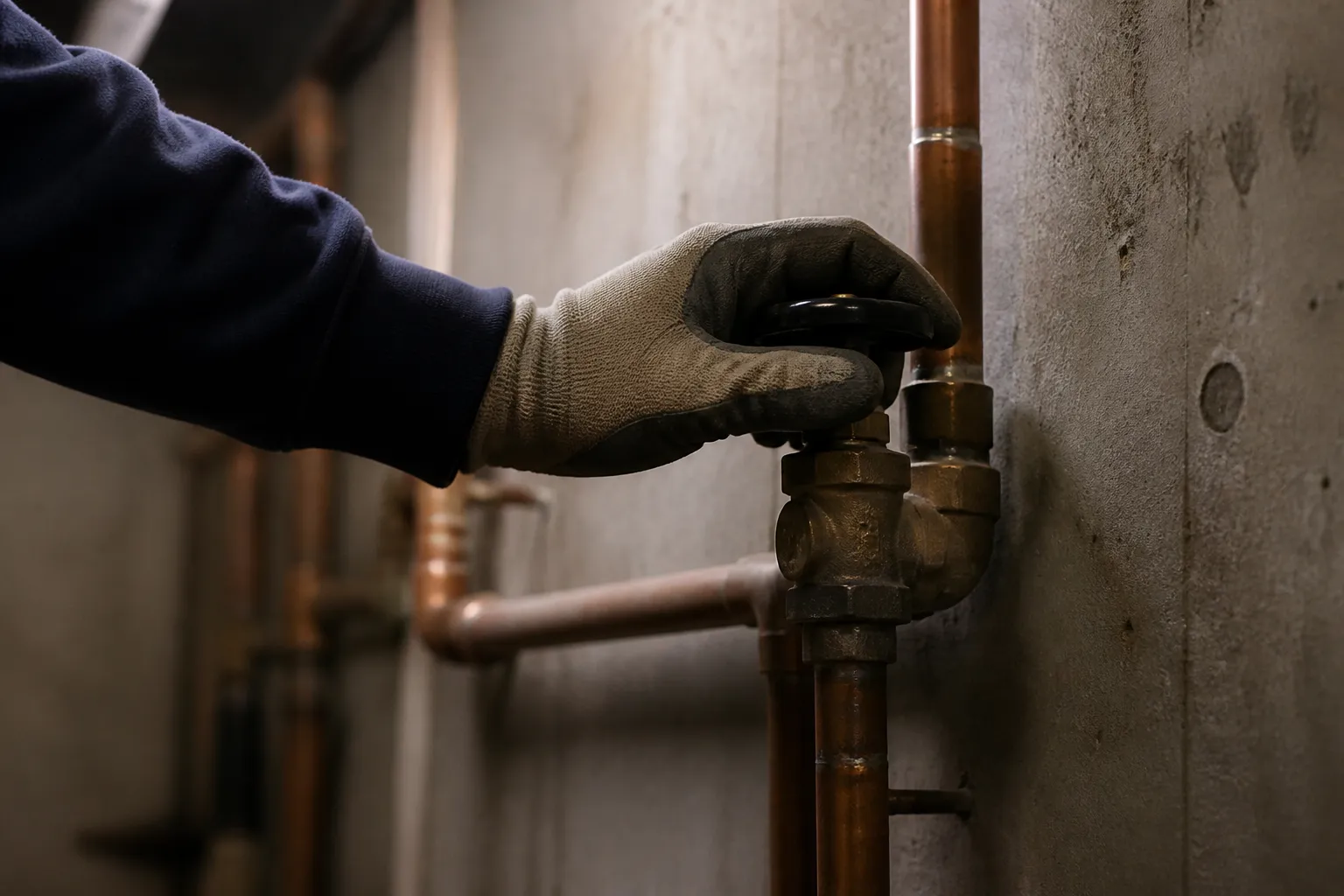
Some prevention is cheap. Know where the main shut-off valve is, so you can stop the flow fast. Replace appliance hoses every five to seven years. Keep about one gallon of water per person per day for three days, in case supply is cut off.
What to do after water damage and how to check your coverage
Document the damage as soon as it is safe. Take photos and video. Keep damaged items until the insurer has seen them. Write down when you found the problem. Good records help show the damage was sudden and not gradual.
Better still, read the policy before a loss. Ask these questions:
- Does the policy use "sudden and accidental" language for plumbing discharge, and what exactly does it say?
- Does it require heat or a minimum temperature when the home is vacant?
- Does it cover sewer or drain backup, or do I need a rider?
- Does it cover gradual leaks or resulting mold?
- Do I need flood coverage, and from whom?
The big red flag is assuming all water damage is covered. It is not. Flood, backup, maintenance-related and gradual damage are commonly excluded.
The sources give no typical prices for add-ons, and deductibles, claim timelines and state claims rules vary by insurer and state. Get quotes and the written policy language. Your state insurance department publishes consumer guidance. This article is general information, not personal insurance, legal or financial advice. A licensed agent or attorney can review your actual policy.
Please seek a professional. This article is general information, not financial, tax or insurance advice. Please seek a licensed financial, tax or insurance professional about your own situation.
Sources
Still have a question?
Related guides
-

Replacement Cost Versus Actual Cash Value: What the Check Actually Covers
A dwelling limit and a payout rule can differ sharply, so the fine print decides how much of a loss you recover and when.By Marcus Delaney
-

What You Actually Pay: Reading Premiums, Deductibles and Out-of-Pocket Limits
A plan's monthly premium is only the first line of its cost, and adding up the full year shows which plan really costs less. By Hollis Brandt
-

What a Health Plan Really Costs Over a Year
The monthly premium is only the first line of the bill, so this guide shows how to add deductibles, coinsurance and out-of-pocket limits into one yearly estimate you can compare. By Teodor Valcourt