Before You Pay for Rental Car Insurance, Check What You Already Have
Your auto policy, your credit card, and your renters policy may already cover some or all of a rental, so find out before the counter quote does the thinking for you.
 By Hollis Brandt ·
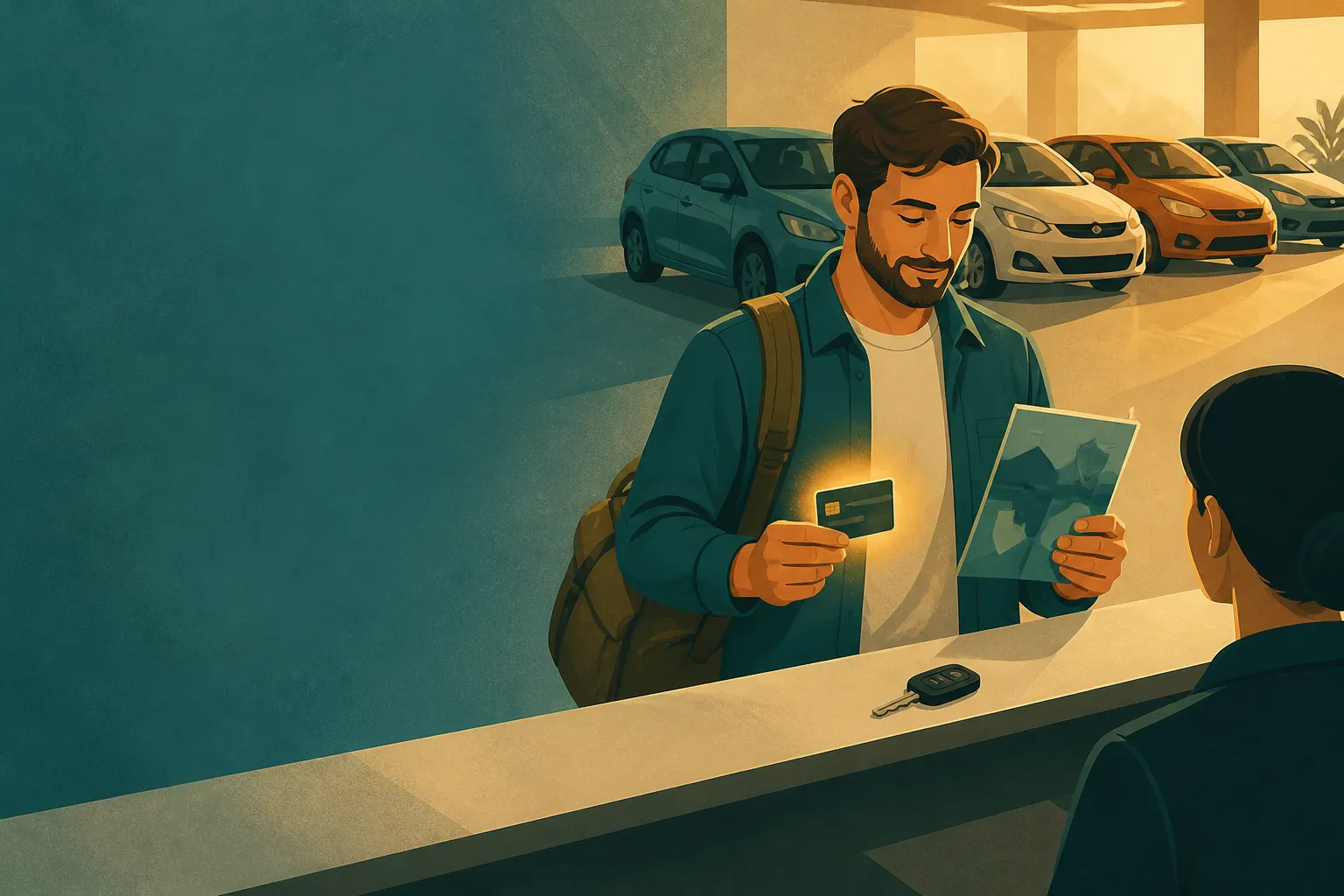
The counter may quote you about 50 dollars a day for rental car insurance. On a week-long trip, that is roughly 350 dollars before taxes and fees. Before you pay it, find out what you already have. You may be covered. You may not. The fine print decides.
Know your three possible sources of coverage
Rental coverage usually comes from one of three places. Your own auto policy. A benefit on the credit card you pay with. Or the optional coverage sold at the counter. Each works differently, and the cheapest is not always the most complete.
Your auto policy generally extends to a rental used for personal travel. The deductibles on your own car usually apply. Business trips often fall outside that protection, so the purpose of the trip matters.
Your homeowners or renters policy is a different animal. It generally covers belongings stolen or damaged out of the vehicle, such as a laptop or luggage. It typically does not cover the rental car itself. Do not assume it fills the gap.
Read the rental agreement before you sign. Companies state what their included protection covers and which supplemental coverages you can buy.

How credit card rental coverage works
Card coverage typically pays for damage to the rental car or theft of it. It usually does not include liability, which covers injury or property damage you cause to other people. You may need liability coverage from another source. If your own car carries only liability insurance, you will need a separate policy for damage to the rental in a crash.
Most card benefits are secondary. They pay costs that other insurance, such as your personal auto policy, does not. Some premium cards offer primary coverage. That pays first and generally does not involve your personal insurer. It can help you avoid your deductible and keep a claim off your personal record. For people without a car, secondary coverage can function as primary.
The conditions are strict. You usually must:
- Pay for the entire rental with the qualifying card.
- List every driver on the agreement.
- Decline the rental company's optional collision damage waiver or loss damage waiver.
Miss one and the coverage can be void. Limits apply too. Antique cars, exotic cars and high-capacity vans are typically excluded. Coverage may not reach far outside the United States. Some benefits pay only the deductible, or a set limit.
What counter insurance costs and when it makes sense
The 50 dollar figure comes from one consumer source. It is not a national standard. Prices vary by company, vehicle and location. Ask for the daily price in writing. Multiply by the full rental length, including any extension. Then compare.
Counter coverage has one real advantage. If damage happens, you deal with the rental company directly. No outside claim. No waiting on an insurer. For someone with no personal auto policy and no card benefit, that may be worth the price.
Check the extras. Loss-of-use fees, administrative fees and towing charges may or may not be covered by your insurer or card. Ask whether it pays or offers a rider. If it does not, the rental company may bill you after a claim.
How to choose and what to ask before you rent
Start with a call to your auto insurer. Confirm your collision and comprehensive coverage still applies to rentals. Dropping those coverages to save money can leave a stolen or damaged rental uncovered. Then compare every card you hold. Benefits depend on the issuing bank and the card level. Ask for the terms in writing, and contact the benefits administrator before the trip to confirm your rental is eligible.
Questions worth asking:
- Does my auto policy cover rentals for personal use, and at what deductible?
- Is my card coverage primary or secondary, and what is the limit?
- Are my destination countries and the vehicle type covered?
- Does my homeowners or renters policy cover items taken from the car?
Two red flags stand out. One is relying on a card or auto policy without the terms in writing. The other is declining counter coverage without meeting the card's requirements, such as paying with the eligible card. Either can leave you owing the full cost of damage or theft.
The sources reviewed do not give state-by-state rules, and they say little about liability pricing or car-sharing apps. Insurance rules vary by state. This is general information, not personal insurance advice. Confirm your situation with a licensed insurance professional or your state insurance regulator. The Triple-I rental car insurance overview and the FTC's renting a car guide are good places to start.
Please seek a professional. This article is general information, not financial, tax or insurance advice. Please seek a licensed financial, tax or insurance professional about your own situation.
Sources
Still have a question?
Related guides
-

Replacement Cost Versus Actual Cash Value: What the Check Actually Covers
A dwelling limit and a payout rule can differ sharply, so the fine print decides how much of a loss you recover and when. By Marcus Delaney
-

What You Actually Pay: Reading Premiums, Deductibles and Out-of-Pocket Limits
A plan's monthly premium is only the first line of its cost, and adding up the full year shows which plan really costs less.By Hollis Brandt
-

What a Health Plan Really Costs Over a Year
The monthly premium is only the first line of the bill, so this guide shows how to add deductibles, coinsurance and out-of-pocket limits into one yearly estimate you can compare. By Teodor Valcourt