Check the Deductible Before You File: A Homeowners Claim Checklist
The first number to find is your deductible, because a loss under it may not be worth filing, and the sources offer no dollar figures to check against.
 By Hollis Brandt ·

The number that matters most in a homeowners claim is your deductible. If the damage costs less than that figure, filing may not pay. Deductibles vary by policy and by state, and the sources behind this guide give no typical dollar amounts for claims or adjuster fees. So start with your own policy. This is general information only, not personal insurance or legal advice. A licensed professional can speak to your situation.
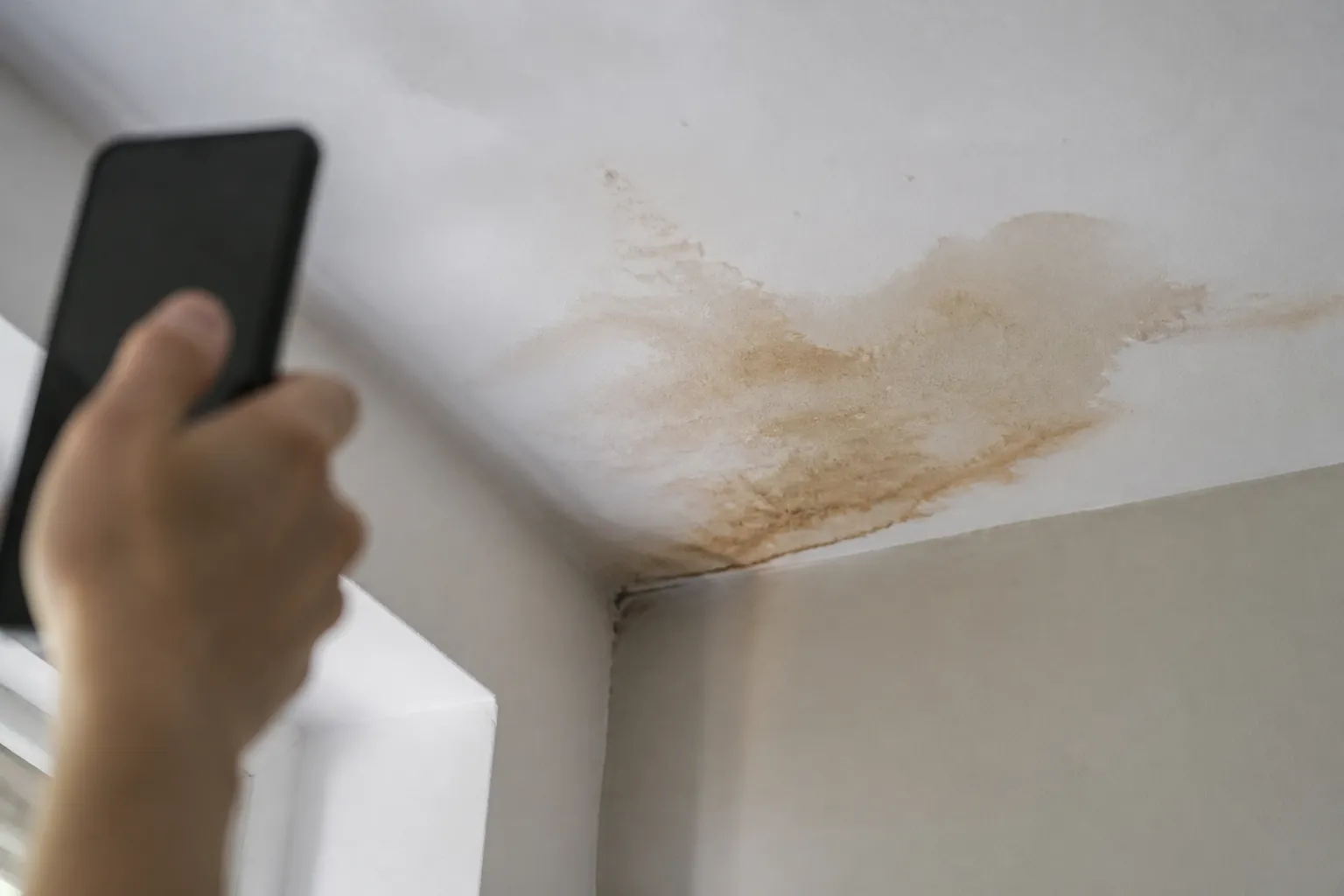
Before you file: know your policy and deadlines
Your homeowners policy is a contract. Both you and the insurer have duties under it. Read your duties before a loss, not after. Find your deductible and note any claim deadlines.
Then call your insurance professional. Ask four things. Am I covered for this loss? How long do I have to file? Will the claim exceed my deductible? How long will processing take? A loss under the deductible may not be worth the paperwork.
Ask about windstorm and hurricane deductibles too. They often work differently from the standard one. The Triple-I explains the mechanics but gives no dollar figures, so get yours from your agent. If you deal with an agent or broker, check the license with your state insurance regulator. The California Department of Insurance, for one, offers a license search.
Reporting the loss and getting the claim started
If the loss involves theft, vandalism or burglary, call the police first. Get a copy of the report. Write down the names of the officers you spoke with. Your insurer may ask for them.
Then open the claim with your insurer. Ask what forms are coming and when they are due. Insurers must send claim forms within a time period set by law. That period varies by state, and the sources do not list it. When the forms arrive, fill them out completely and return them fast. Late or partial forms slow things down. Treat that first call as time-sensitive.
Documenting damage and protecting your evidence
Take photos or video of all damage before you clean or repair anything. Take reasonable steps to stop further damage. Covering a broken window is a fair example. Keep the receipts for whatever you spend.
Do not throw out damaged items until the adjuster has seen them. Tossing them can weaken your proof. Build a list of damaged or lost items and attach receipts or other proof of value. A home inventory made before the loss makes this far quicker. If you have none, start one today.
Also ask whether you will need repair estimates for structural damage. Have the answer before the adjuster arrives.
The adjuster visit, expenses, and payments
An adjuster works for the insurer. This person inspects the damage, interviews you, and determines how much the company should pay. Walk the property together. Point out every item on your list. Do not assume it will be noticed.
If you cannot live in the home during repairs, most policies cover additional living expenses. You must prove the costs. Keep every receipt for hotels, meals and other extra spending. Check your policy for limits.
After a disaster you may get more than one payment. One may cover temporary repairs, another permanent repairs, another belongings. Flood is different. Claims under the National Flood Insurance Program follow their own process, and FEMA publishes tips for them.
Some owners consider a public adjuster. Ask what one does and whether you qualify. The sources state no fees, so ask how the fee is set and get it in writing before you sign.
Red flags and where to get help
Fraud follows catastrophes. Be wary of anyone who rushes you to sign, or who wants a large upfront fee to handle your claim. Verify credentials with your state regulator before you agree to anything.
Keep your own log. Record the date, the person and the substance of every call, letter and email with the insurer. It costs nothing and can matter later.
State insurance departments publish claim guides and take consumer complaints. California's department has a residential property claims guide and wildfire resources. The sources name these channels but do not walk through the complaint process. They also do not cover disputes or appeals of a denied or underpaid claim. For those steps, read your policy and go to your state regulator's site. A licensed professional can advise if the amount is large.
Please seek a professional. This article is general information, not financial, tax or insurance advice. Please seek a licensed financial, tax or insurance professional about your own situation.
Sources
Still have a question?
Related guides
-

Replacement Cost Versus Actual Cash Value: What the Check Actually Covers
A dwelling limit and a payout rule can differ sharply, so the fine print decides how much of a loss you recover and when. By Marcus Delaney
-

What You Actually Pay: Reading Premiums, Deductibles and Out-of-Pocket Limits
A plan's monthly premium is only the first line of its cost, and adding up the full year shows which plan really costs less.By Hollis Brandt
-

What a Health Plan Really Costs Over a Year
The monthly premium is only the first line of the bill, so this guide shows how to add deductibles, coinsurance and out-of-pocket limits into one yearly estimate you can compare. By Teodor Valcourt