When Your Car Crashes in Someone Else's Hands
In Texas, the policy on the vehicle usually pays first, so the limits, exclusions and listed drivers on your own declarations page decide who absorbs a borrower's wreck.
 By Teodor Valcourt ·
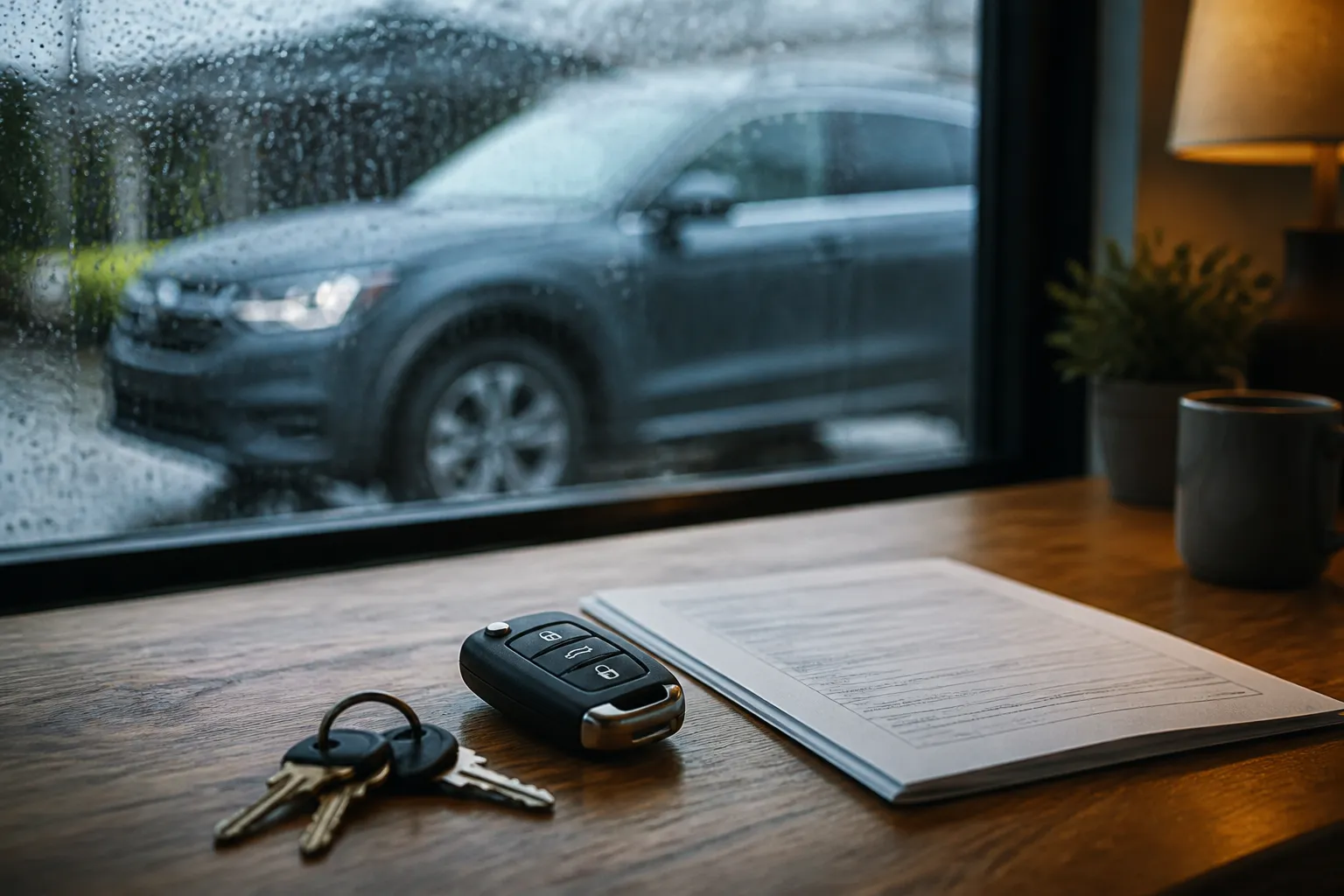
The Texas minimum liability limit for property damage is $25,000. A late-model SUV can cost more than that to replace. Keep that number in mind, because it is the first thing that matters when a friend borrows your car and drives it into someone else's.
In Texas, insurance mostly follows the car, not the driver. The policy on the vehicle in the crash pays first.
This is general information, not personal insurance, legal or financial advice. Rules differ by state, and the sources behind this piece focus on Texas. A licensed agent or your state insurance department can tell you how your own policy works.
What a standard auto policy covers
Most states require liability coverage. It pays for injuries and damage you cause to other people while driving. Many states also require medical payments or personal injury protection, and uninsured motorist coverage. Underinsured motorist coverage is usually optional.
Damage to your own car is a separate matter. Collision pays when you hit something, including potholes and rollovers. It does not pay for mechanical failure or normal wear. Comprehensive covers theft, fire, flood, hail, vandalism and falling objects. Glass may come with no deductible, or as an add-on.
Coverages are priced one at a time, so limits can be set to fit a budget. State minimums may not cover a serious crash. Higher limits are worth a quote. Premiums vary widely by state, driving record, vehicle and coverage level, so one advertised monthly rate tells you little.
Whose policy pays when someone else drives your car
In Texas, the policy on the car in the crash is primary. It pays first, absorbs the deductible and applies its own limits. The driver's personal policy is secondary. It responds only after the primary limits run out.
A borrower is generally covered under your policy through the omnibus, or permissive use, clause. The claim then lands on your loss history. Your premium can rise even though you were not behind the wheel.
Texas minimums are 30/60/25. That means $30,000 per person and $60,000 per accident for bodily injury, and $25,000 for property damage. The figures come from Tex. Transp. Code §601.072. Confirm the current numbers with the state. Other states may treat permissive use and owner liability differently. Ask your insurer before assuming Texas rules apply where you live.
Exclusions and gaps that can leave a crash uncovered
The fine print does the damage here. A named-driver exclusion removes all coverage for that person. If an excluded driver crashes your car, the policy pays nothing. Check the exclusions before you hand over the keys.
Unlicensed borrowers can leave a crash uncovered. So can unlisted household drivers. List every resident relative and regular driver. An omitted one can mean a denied claim.
Business and rideshare use is excluded from standard personal policies in the Texas example. If your borrower is delivering food or carrying paying passengers, your policy may not respond. Lending to an unfit or unlicensed driver can also create separate negligence liability for you, called negligent entrustment. Insurance may not absorb that.
Lease, loan and rental situations
If you lease or finance, expect the lender to require comprehensive and collision. Lenders often want gap coverage too. It pays the difference between the car's value and what you still owe after a total loss.
In Texas, physical-damage coverage is optional by law. A lienholder almost always requires it anyway. The word optional does not help you on a financed car.
Rental and borrowed vehicles have their own terms. They vary by policy and state. The sources here say little beyond the Texas summary. Read your declarations page, then ask the insurer directly.
Questions to ask before you lend or borrow
- Does my policy cover permissive drivers, and does the omnibus clause apply in my state?
- Is any household member or regular driver excluded or unlisted?
- If I borrow a car, which policy is primary, and what are the limits on each?
- Do I have coverage for potholes, rollovers and glass, and what is the deductible?
- Is the borrower licensed? Is the trip work or rideshare?
Red flags are short. Assuming the borrower's policy pays first. Relying on state minimums after a serious crash. Assuming collision covers a blown transmission. Lending to someone whose license status you never checked. Each one is a small assumption with a large bill attached.
For general background on coverage types, the Triple-I overview of auto insurance basics is a reasonable place to start. Then call a licensed agent and get the answers in writing.
Please seek a professional. This article is general information, not financial, tax or insurance advice. Please seek a licensed financial, tax or insurance professional about your own situation.
Sources
Still have a question?
Related guides
-

Replacement Cost Versus Actual Cash Value: What the Check Actually Covers
A dwelling limit and a payout rule can differ sharply, so the fine print decides how much of a loss you recover and when. By Marcus Delaney
-

What You Actually Pay: Reading Premiums, Deductibles and Out-of-Pocket Limits
A plan's monthly premium is only the first line of its cost, and adding up the full year shows which plan really costs less. By Hollis Brandt
-

What a Health Plan Really Costs Over a Year
The monthly premium is only the first line of the bill, so this guide shows how to add deductibles, coinsurance and out-of-pocket limits into one yearly estimate you can compare.By Teodor Valcourt