How to Choose a Dog Walker or Pet Sitter You Can Trust
A practical checklist for verifying insurance, asking the right questions, comparing prices and spotting scams before you hand over your keys.
 By Renata Okafor ·
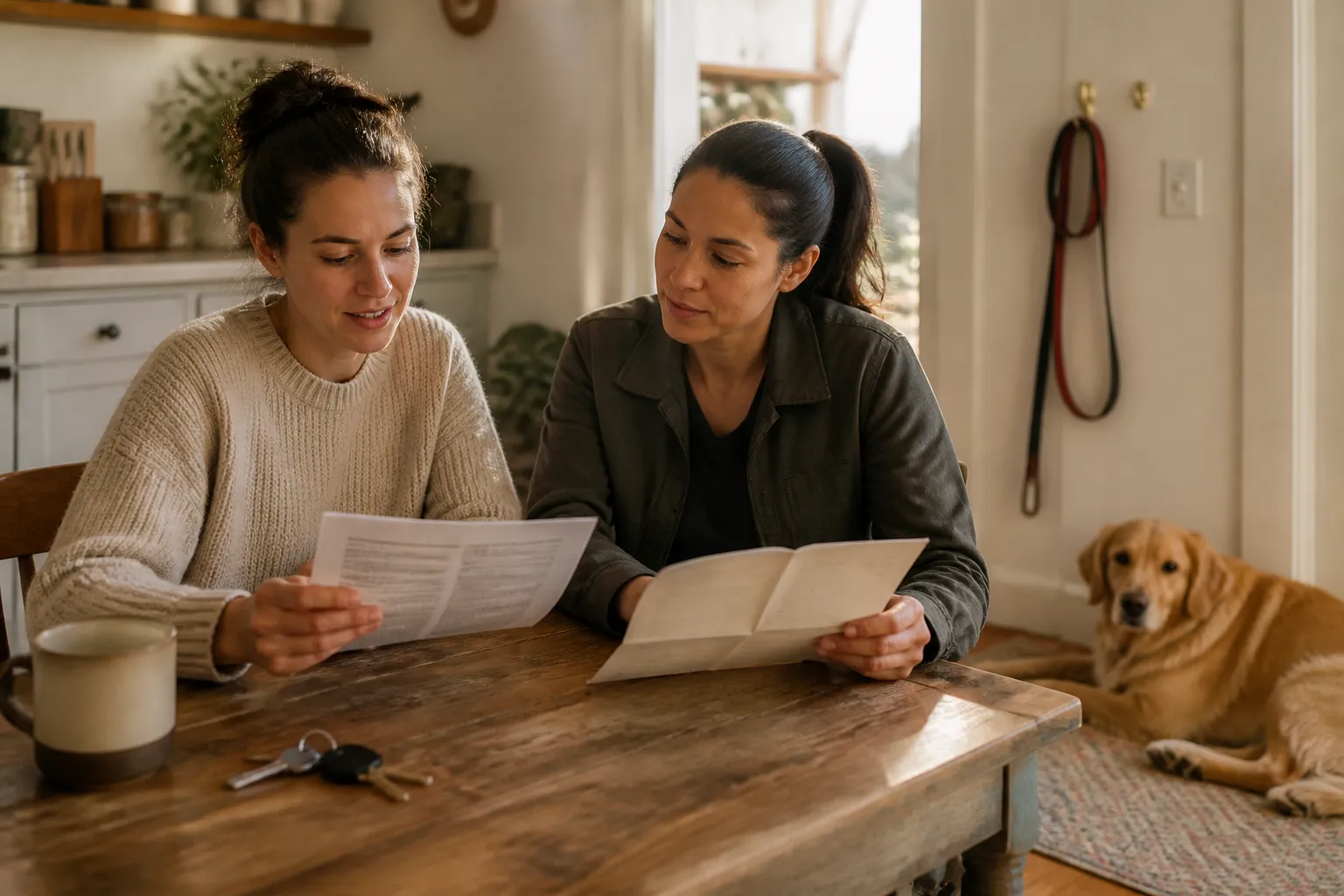
Who will have your key, your dog and a few hours alone in your house? That is the real question behind hiring a dog walker or pet sitter, and it deserves a little more work than a quick scroll through listings. This guide walks through what your dog needs, what to verify, what to ask, how pricing usually works and which warning signs should slow you down. It is general information only, so check details with the professionals and agencies in your own state.
Ask for proof of insurance and bonding, not a verbal assurance, and confirm that everyone who cares for your dog is covered.
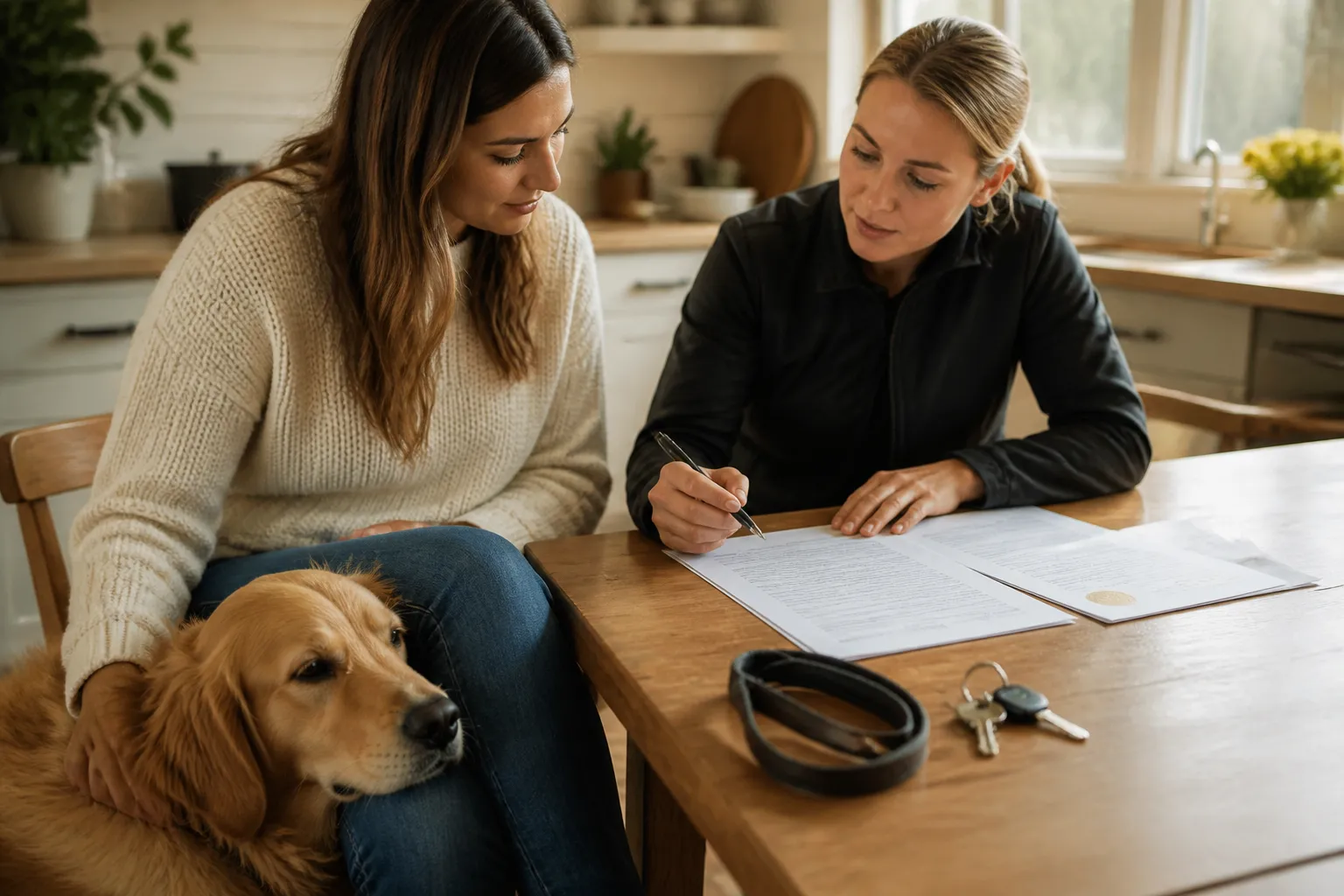
Start with what your dog needs
Before you contact anyone, decide what kind of help fits. The Better Business Bureau suggests asking whether your dog can relax most of the day or needs a lot of exercise, and whether a sitter in your home or a boarding facility is the better match. Making that call first makes every later comparison easier.
- Home sitter or walker: Pet sitters offer everything from dog walking to overnight stays in your home. They suit households with several animals, dogs with special needs, and owners who want the dog in familiar surroundings.
- Boarding or daycare: These can suit dogs who enjoy social settings.
Many dogs are less stressed at home on their usual routine, and a home sitter avoids exposing your dog to other dogs and possible illnesses.
Verify insurance, bonding and registration
Paperwork is where a good provider separates from a hopeful amateur. Work through this short checklist:
- Ask for current proof of liability insurance and bonding.
- Confirm that every person who provides care is covered, not only the owner.
- Ask whether the business is licensed or registered where you live.
Be careful about what a registry search tells you. A state business listing confirms registration and nothing more. In Florida, for example, there is no specific statewide pet sitter license, yet a professional pet-care company should still be registered and carry insurance and bonding. A registry hit does not prove insurance, training or quality of care.
Certification from an organization such as Pet Sitters International or NAPPS can signal education and a final exam. It is not a government license. Rules for boarding kennels differ by state, so check your state's requirements for any facility you consider.
Check experience, skills and references
Look for experience with your type of animal, the ability to read body language, time in business, and knowledge of pet first aid and CPR. Useful questions include:
- How long have you been in business?
- How much exercise will my dog get, and can you handle a large dog?
- Can you give me client references?
Then actually call the references. Ask about the quality of care, not only whether the sitter was friendly. You can also look up local providers on the BBB's pet sitter guidance and BBB.org.
Book an in-home consultation before you commit. You can meet the sitter, ask about methods and communication while you are away, and watch how the sitter treats your dog. Some owners hire for a single day as a trial and check how the dog seems afterward. For boarding, tour the facility. Look at cleanliness, kennel safety and licensing, and ask whether it requires proof of immunizations and has flea and tick procedures.
Understand how pricing works
Real dollar figures depend heavily on where you live, so treat any number you see online as a starting point. Pet Sitters International notes that rates vary greatly by location, and sitters are often cautious about discussing specific prices in group settings. In practice, dog walks and drop-in visits in many US areas run from roughly the teens to the thirties of dollars per visit, and overnight in-home stays commonly run from around fifty dollars to well over a hundred per night, with big cities and holidays at the high end. These are rough, unverified ranges, not quotes. The best step is to collect two or three local quotes yourself.
A few structural points help you compare:
- Most professional sitters charge by time, not a flat fee per pet.
- Boarding or daycare may cost slightly less than three or four daily visits for one dog, but is often considerably more for several pets.
- Some sitters include small chores like bringing in mail or watering plants. Others charge extra. Ask.
- Ask about cancellation fees during the consultation.
Put the arrangement in writing
A written agreement should cover payment terms, cancellation and bad-weather policies, a veterinarian release form, and an emergency contact or guardianship form. Verbal deals leave both sides guessing when plans change.
Many sitters ask for a form stating what veterinary care your dog may receive if you cannot be reached, often with an emergency spending cap. If yours does not ask, offer one. Let your vet's office know in advance that an authorized sitter will be caring for your pet.
Before you leave, hand over written routines:
- Feeding instructions and portions.
- Medication instructions and where the medication is kept.
- Veterinarian details and vaccination records.
- An itinerary with several ways to reach you.
Safety basics matter too. Use ID tags on collars, set a clear leash rule and secure the backyard. Never leave a dog alone with a hanging collar tag that could catch on a vent or crate opening.
Recognize red flags and scams
Slow down if a provider will not show proof of insurance or bonding, treats a registry listing as proof of quality, or refuses to meet in person first. Vague answers, or a change of subject when you ask for specifics, are also worth noting.
The BBB describes a common pet sitting scam pattern. A very polite stranger reaches you through social media, a job site or a student email with an offer that seems too good. They push you to act fast and avoid an in-person interview. Requests for a Social Security number, bank details or your full address from someone you have never met are serious warning signs. So is any request to deduct wages and buy supplies from a large check sent to you.
For legal, insurance or financial questions about a specific arrangement, consult a licensed professional in your state.
Sources
- 10 Questions You Should Ask A Pet Sitter and Dog Walker - The Savvy Sitter
- How to Set Your Pet-Sitting and Dog-Walking Rates | Pet Sitters International
- https://vertexaisearch.cloud.google.com/grounding-api-redirect/AUZIYQEYd3LkLzZ1K0RIf0I9_NUnQMwyO0uYUJFTE0kEIpTcBo6g2BOaYirXuqesTCUmR5udY2aRlzU-NbSGlMWalU07iSnvpMRphVoPdGQ5UYK9ss8aSBxi0_4E83pq0b2DWKbVFA==
- BBB Tip: How to choose a trustworthy pet sitter or boarding service
- BBB Scam Alert: This pet sitting job is too good to be true
- How to Choose the Right Pet Sitter for Your Dog
- Pet Sitter Checklist: How to Prepare Your Home Before You Leave
- How to Choose a Pet Sitter + How to Prepare
Still have a question?
Related guides
-

The Driveway Quote: How Moving Estimates Get Rewritten After the Truck Is Loaded
Binding, non-binding, and not-to-exceed estimates carry different risks, and knowing which one you're holding is the best defense against a price jump at delivery. By Gideon Aldaine
-

How to Tell Whether a Haircut and Color Quote Is Fair
National 2026 ranges, the factors that move prices, and the questions that make two salon quotes comparable.By Renata Okafor
-

How to Check a Stylist's License Before You Book
A few minutes on the state lookup can confirm whether your stylist is authorized to work, and it tells you what to ask before you sit in the chair. By Neil Ostrander