What Alterations Really Cost and How to Get a Fair Quote
A practical guide to typical alteration prices, why quotes vary so widely, and the questions that help you get a reliable number before any work begins.
 By Renata Okafor ·
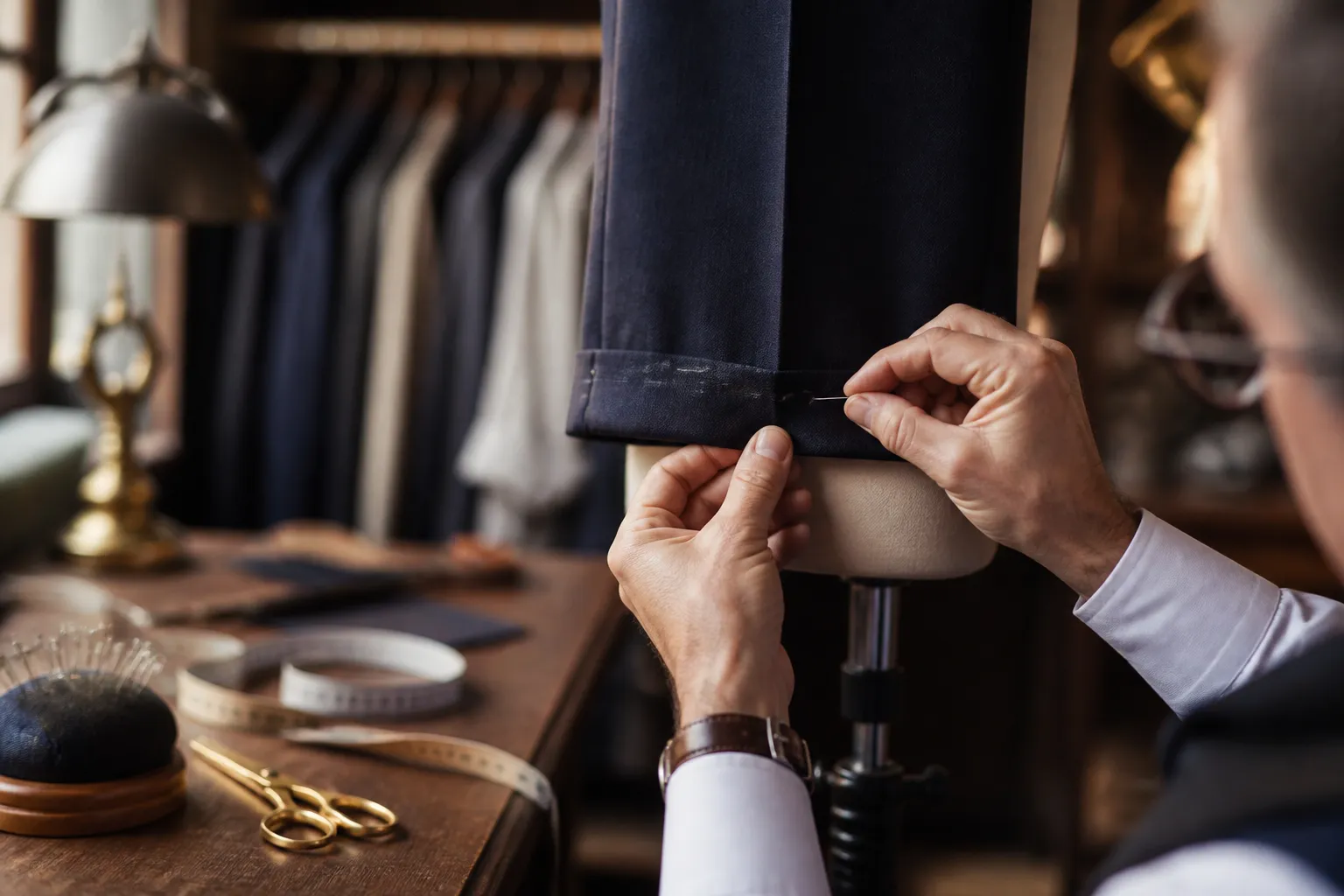
Standing in a fitting room with pins in your hem, how do you know whether the number the tailor says out loud is fair? You mostly don't, unless you walked in with a rough range and a short list of questions. This guide gives you both, and it is general information only. For decisions about a specific garment or budget, a licensed professional or your local shop is the right place to get a firm answer.
What a typical alteration costs
Published price guides commonly put clothing alterations at roughly $80 to $250 on average. Treat that as a budgeting starting point, not a promise. The final bill depends on the garment and how much work it needs, and prices vary by state and situation.
The simplest jobs cost the least. Here is how the small fixes tend to line up:
- Button replacement: about $5 to $15.
- Zipper repair or replacement: about $15 to $65, with one guide listing $20 to $75 or more.
- Basic hem: around $15, and pants hemming often $15 to $55.
- Waistband adjustment: about $18 to $55.
Larger jobs climb fast. Dress hemming is often quoted at $25 to $85 or more, and sleeve shortening at $15 to $85, though suit jacket sleeves are listed higher at $40 to $125 or more. Relining a jacket or coat is commonly listed between about $169 and $236, and suit or tuxedo tailoring can reach $265 or more.
Why the numbers disagree
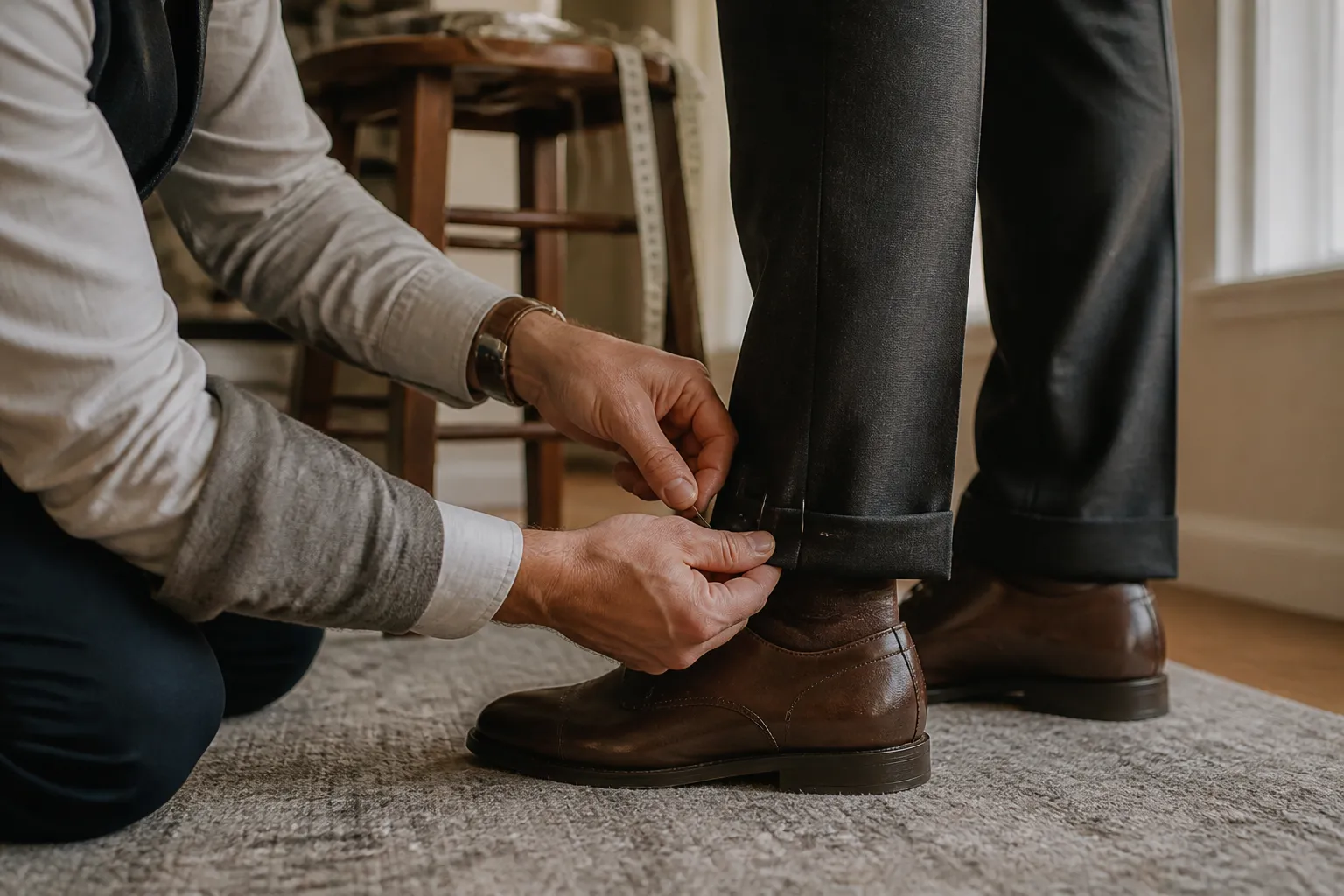
If you compare two guides, you will probably find figures that do not match. One source puts wedding dress alterations at $50 to $240, while another says $250 to $800 or more. Differences like that usually come from how each guide defines the job, which region it covers, and when the prices were collected. Every guide is an estimate, not guaranteed pricing from any shop.
It also helps to keep two categories apart:
- Alterations, meaning fixes to a garment you already own, such as a hem or a taken-in waist.
- Tailoring, meaning broader work, including made-to-measure, bespoke, and bridal pieces, which typically costs far more.
One guide gives tailoring an average of $300 to $900 per completed task, while noting that many tasks sit near a $120 median. Location moves the totals a great deal. General tailoring examples run from about $250 to $800 in Las Vegas to $400 to $1,200 in New York City. Those are not alteration-only prices, but they show why you should check local shops before setting a budget. Public sources here do not offer state-by-state data or an official national average.
What changes the price
Why would two hems cost different amounts? Mostly because of construction and time. Lining, fabric type, fit, and design complexity all change the labor involved. Hemming a lined dress can add roughly 30 to 100 percent to the cost, depending on the work.
Some extras add cost on their own:
- Preserving the original hem.
- Adding cuffs.
- Finishing a hem by hand.
- Working on lined pants rather than unlined ones.
Timing matters too. A rush job can change the price, and booking early is one common way to avoid that premium. Tailor experience also plays a part. This is also why most tailors will not give an exact figure over the phone. They need to see how the garment sits on your body first.
How to get a reliable quote
Follow these steps and you will usually leave the fitting knowing what you will pay:
- Bring the garment, and the shoes you plan to wear with it, to an in-person fitting.
- Ask for the price before any work begins. Some providers say they quote upfront at the fitting.
- Ask whether the quote is fixed or an estimate that may change after the fitting.
- Ask whether the price includes cuffs, hand finishing, or preserving the original hem.
- Ask whether lining or a rush turnaround adds a charge.
- Compare two or three quotes for the same job.
To keep costs down, book early, choose more affordable fabrics if you are buying new, and skip customizations you do not need. Comparing quotes is the quickest way to learn what is typical where you live.
Warning signs and open questions
Be cautious if someone names a precise price over the phone for a garment they have not seen. Fit and construction drive the work, so a firm number without a look may not hold. Likewise, a quote treated as guaranteed without an in-person evaluation does not match how guides describe estimates.
Watch for very low quotes on complex work, such as bridal gowns or tailored suits. They may not line up with the higher ranges reported for those jobs, so ask exactly what is included before calling it a bargain.
Some things the public sources here do not cover: licensing or training requirements for tailors, complaint channels, refund and damage policies, and standard turnaround times. The U.S. Bureau of Labor Statistics pages provided had no usable price or wage figures for this trade. So ask the shop directly what happens if a garment is damaged, how long the work will take, and what its policies are. If a dispute comes up, your local consumer protection office can point you to next steps.
Sources
- Tailors, Dressmakers, and Custom Sewers
- Occupational Employment and Wage Statistics (OEWS) Tables : U.S. Bureau of Labor Statistics
- Alteration Cost: How Much Should You Pay? [2026 Prices] | Airtasker US
- How Much Does Tailoring Cost in the US? [2026 Data] | Airtasker US
- 2026 Clothing Alterations Price Guide | Alterations Express
Still have a question?
Related guides
-

The Driveway Quote: How Moving Estimates Get Rewritten After the Truck Is Loaded
Binding, non-binding, and not-to-exceed estimates carry different risks, and knowing which one you're holding is the best defense against a price jump at delivery. By Gideon Aldaine
-

How to Tell Whether a Haircut and Color Quote Is Fair
National 2026 ranges, the factors that move prices, and the questions that make two salon quotes comparable.By Renata Okafor
-

How to Check a Stylist's License Before You Book
A few minutes on the state lookup can confirm whether your stylist is authorized to work, and it tells you what to ask before you sit in the chair. By Neil Ostrander