What Carpet Cleaning Really Costs, and How to Compare Quotes
Most whole-house jobs fall between $120 and $400, but how a company counts rooms, picks a method, and bills extras can change the total more than the headline price does.
 By Gideon Aldaine ·
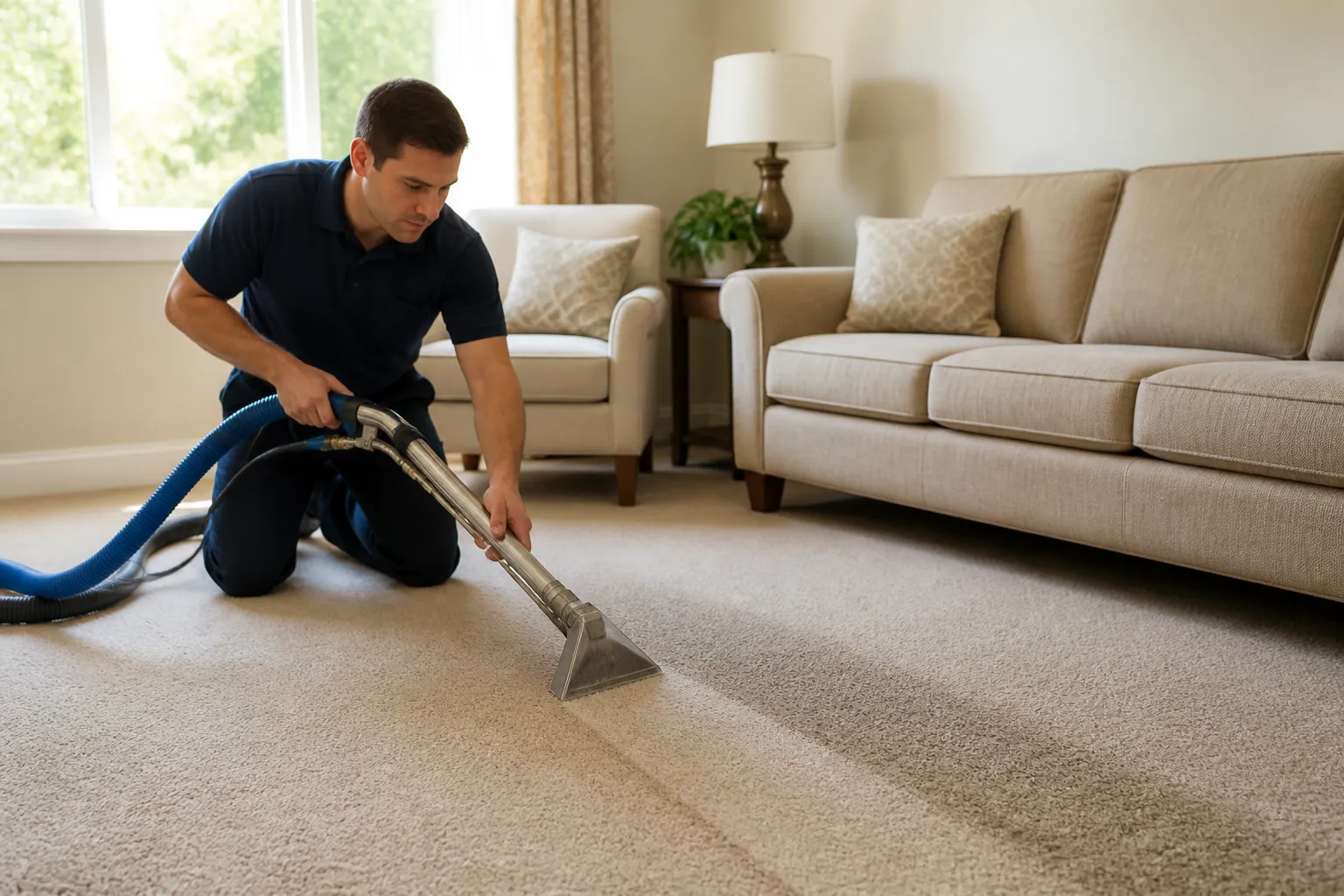
How much should a carpet cleaning actually cost, and why do two quotes for the same house look so different? The short answer is that most professional jobs in the US land somewhere between $120 and $400 for a typical three-bedroom home, but the number you see on a quote depends on how the company counts, what method it uses, and which extras it adds. This guide walks through the pricing step by step, then gives you a checklist of questions to ask before you book. Prices vary by state and situation, so treat every figure here as a starting point.
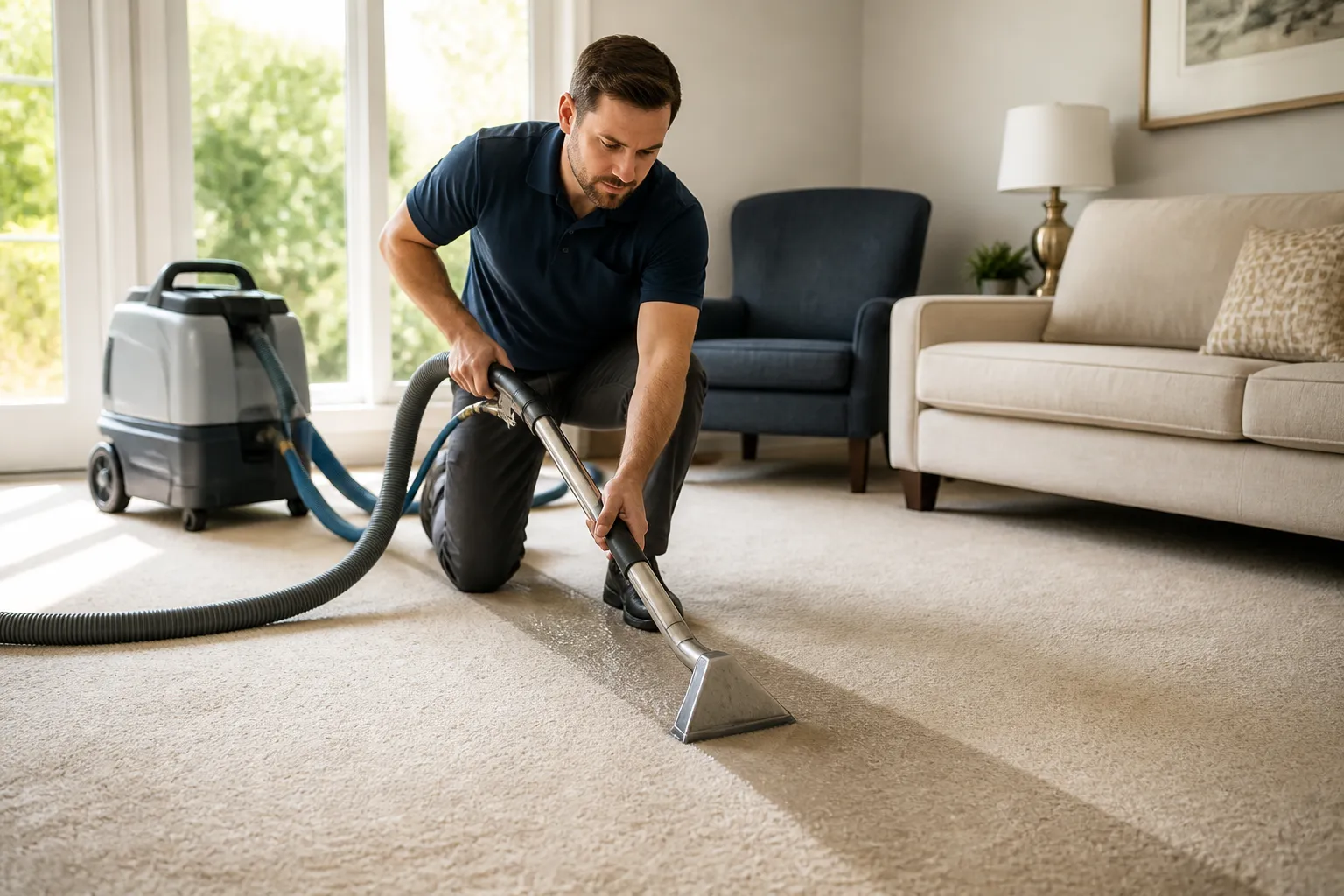
What carpet cleaning typically costs
Professional carpet cleaning is usually priced in one of three ways: per room, per square foot, or as a whole-house job. Each one tells you something different about how the company thinks about your home.
- Per room: roughly $25 to $75 per room, for rooms up to about 200 square feet.
- Per square foot: commonly about $0.20 to $0.40.
- Whole house: about $120 to $400 for a three-bedroom home, depending on size, carpet condition, and method.
Many companies also set a minimum service charge, often around $75 to $100. That means a single small room can cost more per square foot than a whole floor. Add-ons change the total too. Stairs often run about $25 to $50 per flight, area rugs about $25 to $150 each, and pet stain or odor treatment about $40 to $150 on top of the base price.
Location matters. One provider estimated that metro-area prices can run 30 to 50 percent higher than in smaller towns. These figures come from business and industry sources, not government or independent survey data, and I could not find reliable state-by-state numbers. Your local quotes may well fall outside these ranges.
How cleaning methods affect the price
Hot water extraction, often called steam cleaning, is generally described as the standard method and is usually the pricier one. Lower-moisture methods such as encapsulation may cost less, but they generally clean less deeply. So the first question is simple: which method is in the quote, and why does it suit your carpet?
Next, check the prep work. Professional visits usually include vacuuming before the deep clean, and the Carpet and Rug Institute (CRI) calls that step critical to the final result. A quote that skips it may not deliver what you expect.
Then look at what is billed separately. Before comparing two quotes, line them up on these items:
- Base price and the method it covers.
- Furniture moving.
- Stain protector and deodorizing.
- Stairs and hallways.
Two quotes that look close can end up far apart once these extras are added.
Doing it yourself versus hiring a professional
Is renting a machine cheaper? Usually, yes, on paper. Basic carpet cleaners rent for about $35 to $50 per day, and heavier commercial units for about $50 to $80. Cleaning solution adds roughly $15 to $25 per bottle. One DIY-focused estimate puts a weekend of rentals and supplies for a 1,500 to 2,000 square foot home at about $75 to $150.
The catch is the labor. You will move furniture, vacuum, pre-treat stains, run the machine, and then wait roughly 6 to 12 hours for the carpet to dry. Before you commit either way, check your carpet warranty, since some specify cleaning requirements.
CRI recommends professional deep cleaning about every 12 to 18 months to remove embedded dirt and grime. It also says professional cleaning can help keep warranties intact, because many manufacturers recommend or require cleaners and products that meet its Seal of Approval (SOA) program. This is general information, not advice for your situation, so a licensed professional or your warranty paperwork is the better final word.
Upholstery cleaning and what the standards say
Upholstery is where I have to be honest about a gap. The sources behind this guide did not include upholstery prices, so I will not give you a dollar range. Ask for a written quote and compare at least a few.
What I can tell you is how the industry sets its standards. The Institute of Inspection, Cleaning and Restoration Certification (IICRC) is an independent nonprofit founded in 1972. It develops ANSI-accredited standards for inspection, cleaning, and restoration. Its S100 standard covers professional cleaning of textile floor coverings, and S300 covers professional upholstery cleaning.
When you request an upholstery quote, ask the same things you would for carpet:
- What is included in the price?
- How is the fee calculated?
- Does the company use methods suited to your specific fabric?
Fabric protectors are sometimes offered as add-ons. Get their cost and what they do in writing before the job.
How to choose a provider and avoid surprises
CRI recommends an SOA-certified provider, because those companies use SOA-approved equipment and products. IICRC certification of technicians is described as a sign of advanced training. I could not find a clear method for verifying a specific technician's credentials, so ask the company how you can confirm it.
Here is a checklist to carry into every call:
- How long have you been in business?
- Do you vacuum before deep cleaning?
- How is your pricing structured?
- How much will it cost, and can I get an estimate in writing before the cleaner arrives?
- Are your technicians IICRC certified?
- Do you move furniture, or should I? Is there an extra charge?
- What does the base quote include?
The biggest red flag is room-based pricing. CRI warns to be careful of any company that quotes by the room, because room sizes vary widely, and says pricing should be based on area. Also watch for the gap between the first quote and the final bill. Clarify extras before the job starts.
Finally, a few topics were not covered by my sources: consumer complaint records, licensing rules, refund policies, and whether your homeowner's or renter's insurance covers cleanup after a spill or flood. Check your local licensing requirements and your policy directly.
Sources
- Cleaning and Maintenance - The Carpet and Rug Institute
- Hire a Carpet Cleaning Professional - The Carpet and Rug Institute
- Carpet Cleaning Costs: DIY vs. Professional Guide
- IICRC Standards – IICRC
- IICRC Certification & Cleaning Standards Explained | Campbell Cleaning
- https://vertexaisearch.cloud.google.com/grounding-api-redirect/AUZIYQEeDfDstO1D8LvVkI3t50i8Nd6C8dLIlDoa-G2AKz0omrrdExGfZtThK0JSLzBZ71COSBwawqOY4xRrppIL8NzErxQDaSOVk5-9vPqBuf8Li72kI6eKEnoM8vk3PAni1a99dtuQEf42tJNSkbFpjn7pHTGnd0vbEFxo9fNs9kojftDQOlIIdvnZS_jkelyW
- How Much Does Professional Carpet Cleaning Cost? 2026
- How to Scotchgard a Sofa: Step by Step Guide | Scotchgard for Couch Benefits, Tips, and Q&A
Still have a question?
Related guides
-

The Driveway Quote: How Moving Estimates Get Rewritten After the Truck Is Loaded
Binding, non-binding, and not-to-exceed estimates carry different risks, and knowing which one you're holding is the best defense against a price jump at delivery.By Gideon Aldaine
-

How to Tell Whether a Haircut and Color Quote Is Fair
National 2026 ranges, the factors that move prices, and the questions that make two salon quotes comparable. By Renata Okafor
-

How to Check a Stylist's License Before You Book
A few minutes on the state lookup can confirm whether your stylist is authorized to work, and it tells you what to ask before you sit in the chair. By Neil Ostrander