What Driving Lessons Really Cost, and How to Choose a School Worth Paying For
Price is only one part of the picture, so this guide covers what lessons cost, the rules that apply, how to choose a school, the questions to ask and the warning signs to watch for.
 By Neil Ostrander ·
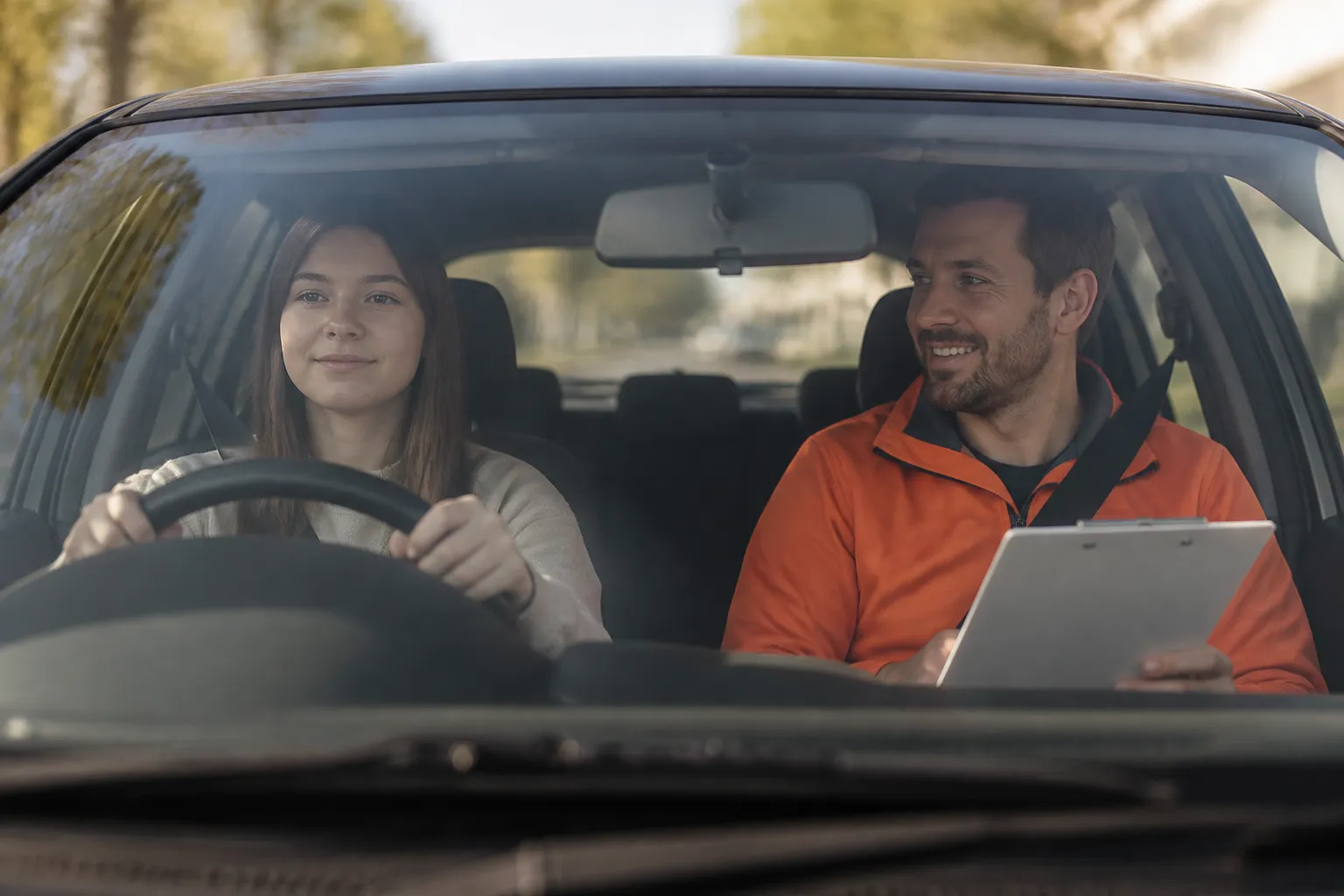
What should a driving school actually cost, and how do you know you are getting your money's worth? Most people start by comparing prices, which is reasonable, but price is only one of five or six things worth checking. This guide walks through the costs, the rules, the choosing steps, the questions to ask and the warning signs, in that order. It is general information only, not personal financial or legal advice, so confirm details with your state agency or a licensed professional.
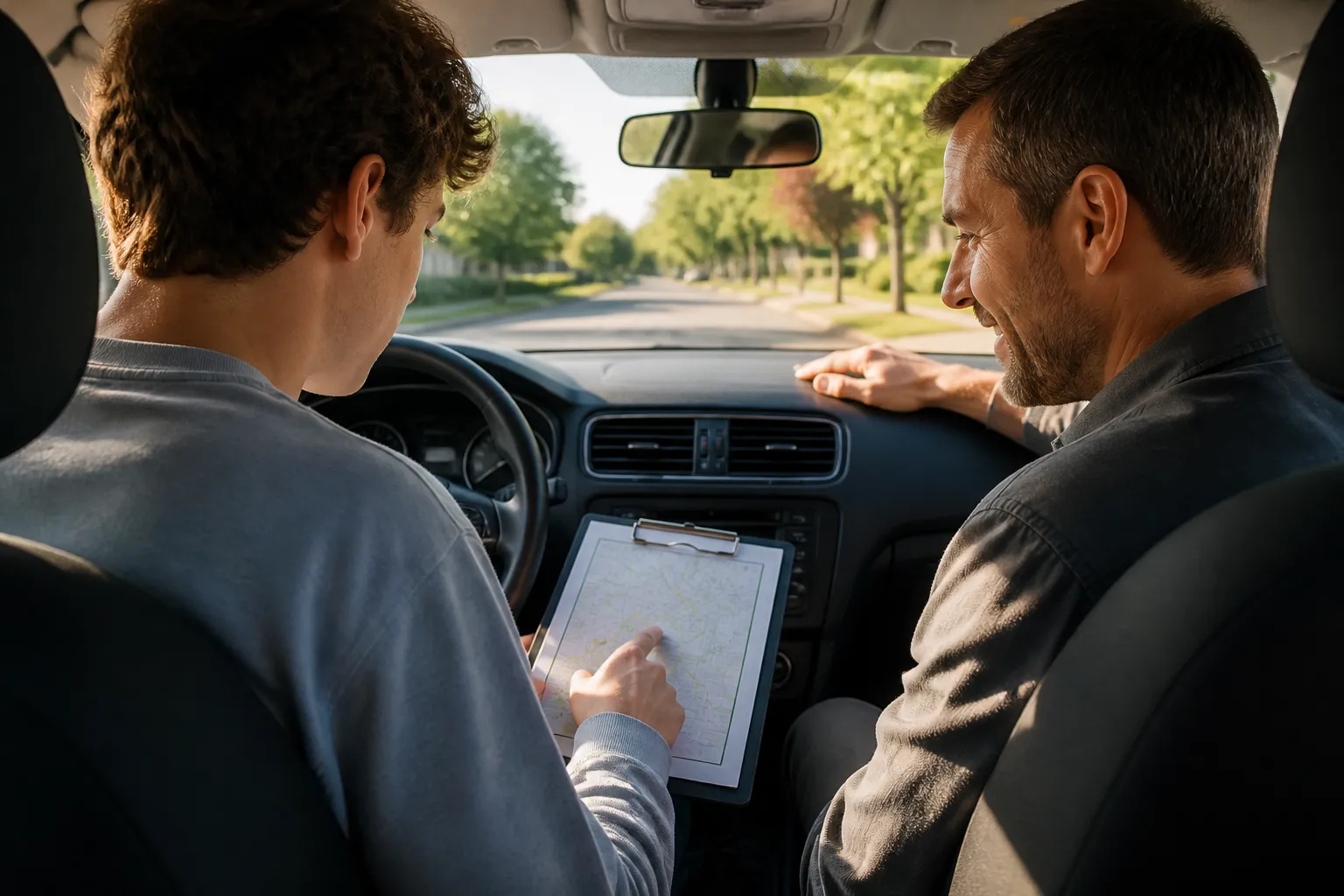
What driving lessons cost
In the US, costs vary widely between states and cities, and gasoline prices can nudge them up or down. As a rough starting point, classroom driver training typically runs about $30 to $180. Road training is about $50 to $150 per session. All-inclusive packages usually land between $200 and $800. Treat those as broad ranges, not quotes, and get a local price in writing before you decide.
In the UK, instructors set their own prices. There is no legal minimum or maximum, so two instructors in the same town can charge very different rates. Ask whether the quoted price covers a full lesson or only part of one.
Lessons are only part of the total. Keep these extras in mind:
- UK learners pay for a provisional licence, listed at about £34 to £43, plus theory and practical test fees.
- In the US, permit, licence and test appointment fees are set by the state and are often separate from the school's price.
- Insurance costs for learners were not covered in the sources I reviewed, so ask your insurer separately.
How the licensing and training rules work
Rules differ by state, so start with your state's motor vehicle agency. California is a useful example. Driver education and driver training are offered at public and private high schools and at state-licensed driving schools. Anyone under 18 must complete classroom driver education at a licensed school before getting an instruction permit. The permit becomes valid once a professional instructor signs it after at least one hour of behind-the-wheel training. You can read the details on the California DMV page on driver training schools.
In the UK, anyone you pay to teach you must be a qualified approved driving instructor or a trainee. They must show a badge in the windscreen from the Driver and Vehicle Standards Agency. Green means qualified. Pink means trainee. It is the simplest first check you can make, and the GOV.UK guidance on taking driving lessons explains it.
Vehicles matter too. Some US states require teen drivers to take the road test in a car with dual controls, which a school can often provide. A test vehicle should also have airbags, an adjustable steering column and be no more than four years old. Ask the school whether its car meets those standards before you book.
How to choose a school
Work through it in order:
- Match the course to your need. Schools offer teen, mature driver, traffic violation and defensive driving courses.
- Confirm the course covers the test you will actually take. Most schools cover both the written and road portions of a state test.
- Compare several schools on price, included services and reported success rates.
- Ask about refunds and whether you can repeat the course free after a failed road test.
- Check public reviews, then call your local DMV, which can often suggest schools nearby.
A retake guarantee can justify a higher price. A failed test can cost you more in fees and lost time than the difference in tuition. Price should not decide the matter alone, either. Very cheap schools may use unqualified instructors or a thin curriculum. If a stronger school is out of reach, ask about payment plans, which many schools offer.
Questions to ask before you pay
Bring a short list to every call or visit, and write down the answers so you can compare schools fairly afterward.
- What does the package include, and what will it cost beyond the base price?
- Are there fees for the test vehicle, extra hours or materials?
- What is the refund policy?
- Can I repeat the course at no cost after a failed test?
- What are your success rates?
- Are your instructors qualified and approved? In the UK, can I see the green or pink badge?
- In the US, do you hold the state license my state requires?
- Is a dual-control vehicle available for the test, and does it meet the vehicle requirements?
- Do you offer a payment plan?
Hidden extras are a common source of surprise bills, so get the full figure in writing. A reputable school should answer these plainly. If it cannot, treat that as useful information.
Red flags and how to report a problem
Be cautious if you see any of these:
- A price far below every other quote.
- No clear answer on success rates, refunds or retake terms.
- An instructor who is vague about qualifications.
- In the UK, someone charging for lessons without a badge.
In the UK, a person charging for lessons who is not a qualified instructor or trainee can be reported to the DVSA. Complaints about an instructor's service or behaviour can also be made. Keep dates, receipts and messages in case you need them.
In the US, complaint rules depend on the state. Start with your state's motor vehicle agency or the body that licenses driver training, and check its official site for the current process.
Finally, track your own progress. In the UK there is no minimum number of lessons or hours, and the number you need depends on how quickly you improve. A downloadable progress form helps you record each lesson and see whether you are moving forward. If you are not, that is a fair reason to try a different course or instructor.
Sources
- Driver Training Schools - California DMV
- Driving lessons and learning to drive: Taking driving lessons - GOV.UK
- https://vertexaisearch.cloud.google.com/grounding-api-redirect/AUZIYQHDjaVyAFuP1NxLfswvjLQ3-ZP9wtCADnAERj08QY82g-rII45Fz-Aq605BqcdqJviTR6r4vcCr204yUYCVWszgqodH0UJaDP3uEux-tIUzWQJu3t5v9gQXJEo3ySILO0MLrpkpZMeGVQE0iXhzdz6FwAgFjnAi4jW_T3dLmgQIcRgehRvFRMjQvw==
- DSAA
- Driving Lessons - Book Online Today | AA
- Cost of learning to drive in 2026: Lessons, tests and licence fees | RAC Drive
- Driving School Cost: Average Prices to Expect for Driving Lessons - CarsDirect
Still have a question?
Related guides
-

The Driveway Quote: How Moving Estimates Get Rewritten After the Truck Is Loaded
Binding, non-binding, and not-to-exceed estimates carry different risks, and knowing which one you're holding is the best defense against a price jump at delivery. By Gideon Aldaine
-

How to Tell Whether a Haircut and Color Quote Is Fair
National 2026 ranges, the factors that move prices, and the questions that make two salon quotes comparable. By Renata Okafor
-

How to Check a Stylist's License Before You Book
A few minutes on the state lookup can confirm whether your stylist is authorized to work, and it tells you what to ask before you sit in the chair.By Neil Ostrander