What to Know Before You Drop Off Clothes at the Dry Cleaner
Check the care label, compare local prices, and understand who pays if something goes wrong before you hand over a suit or comforter.
 By Neil Ostrander ·
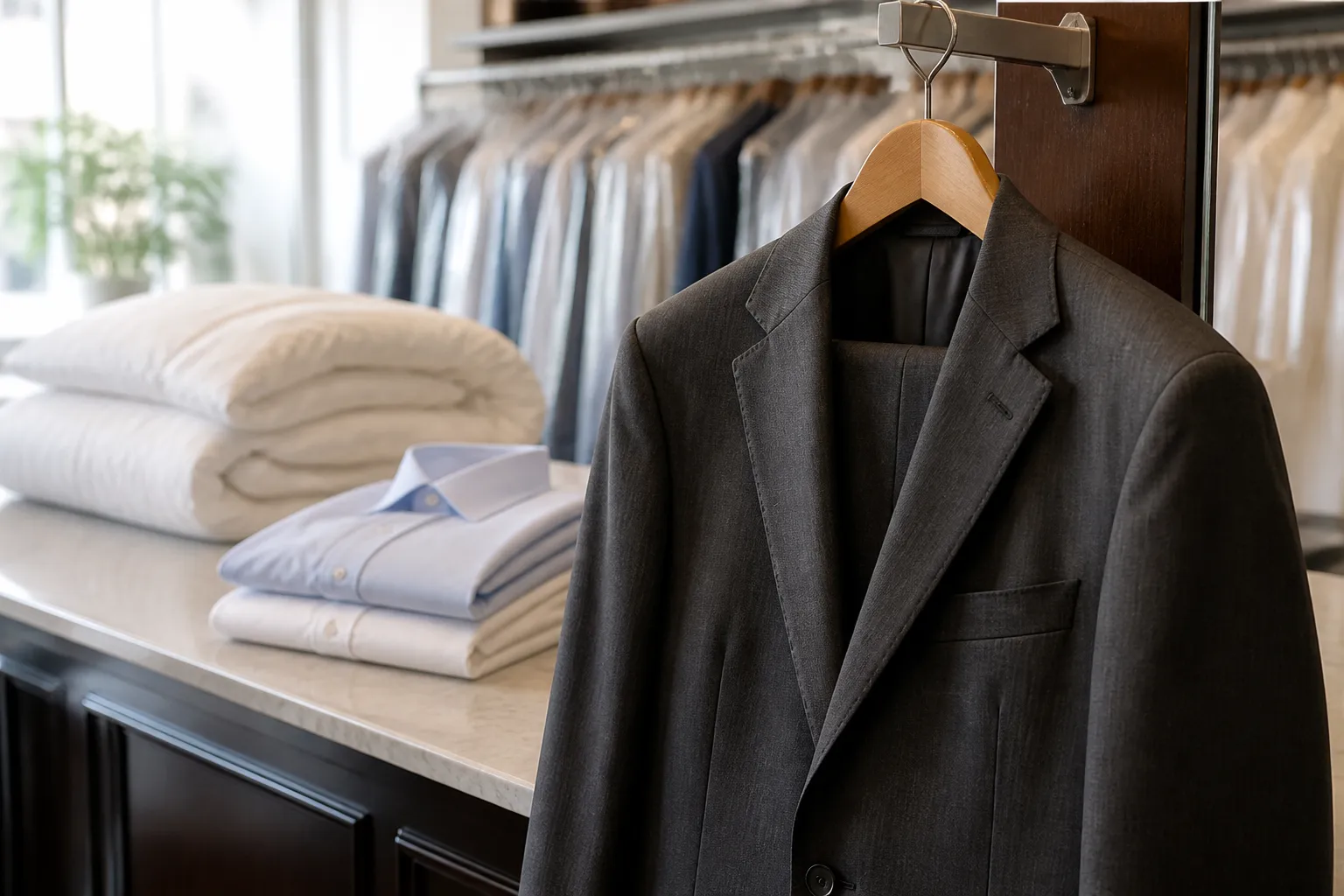
What will it actually cost to get a suit, a few shirts and a comforter cleaned, and who pays if one of them comes back ruined? Most people only ask after the garment is damaged. This guide walks through the prices first, then the care label, then the fault and claims steps, so you can ask the right questions before you hand anything over.
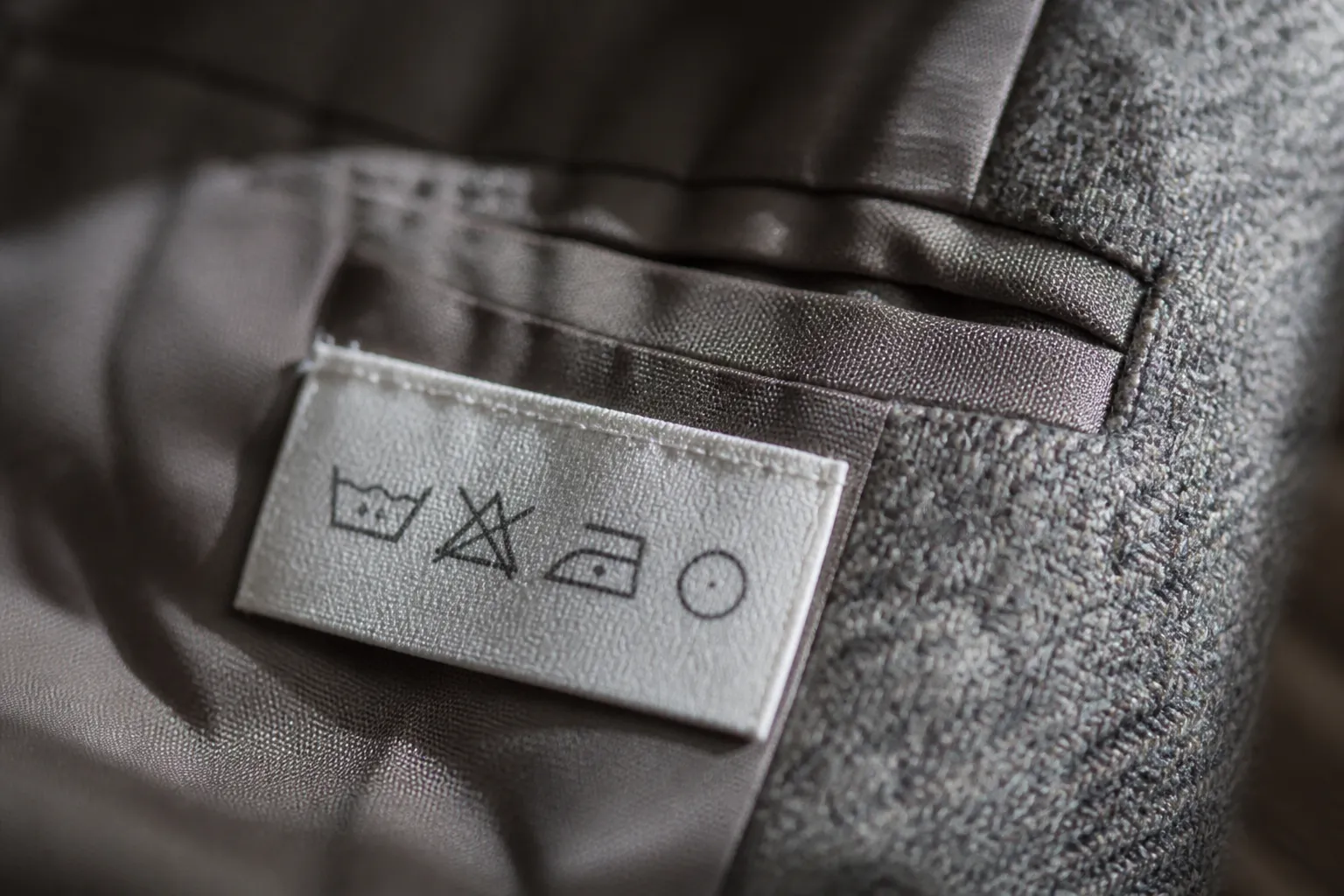
A label may list only one safe cleaning method. A garment marked washable may not be safe to dry clean.
What dry cleaning and laundry typically cost
One payment-processing business blog gives a rough set of US ranges. It is not a government or regulator source, so treat the numbers as a starting point only. The blog's figures look like this:
- Shirt pressing: about $2.50 to $5.00
- Suit cleaning: about $10 to $18 (one line in the same source says up to $20)
- Dress: about $8 to $15
- Comforter or blanket: about $20 to $35
- Typical multi-item order: about $18 to $45
- Wedding dress preservation: about $200 to $500
Prices vary by state, by city and by shop. The sources I reviewed do not offer current state-by-state or regional data, so get two or three local quotes before you settle on a budget, and confirm the price for each item when you drop off.
Why the care label matters before you drop anything off
The FTC requires manufacturers to attach a care label that lists at least one safe cleaning method and warns against any procedure that could harm the item. The label must stay attached and readable for the life of the garment, so a label that has been cut out or has worn away is already a problem.
Here is the catch. Because a label needs to list only one safe method, you cannot treat methods as interchangeable. A "washable" garment may not survive dry cleaning, and a "dry clean" garment may still be washable in some cases. Before you decide, run through this short check:
- Find the label and read every line, not just the symbols.
- Note any special-care warnings for trim, beads or other decoration.
- If the label is missing or unclear, ask the cleaner whether a method is safe. Garment care professionals can test a garment to find the best approach.
A missing label raises the risk of damage, so tell the cleaner up front and expect a more cautious answer.
Who pays when a garment is damaged
Better Business Bureau guidance, as reported by a local news outlet, says responsibility can fall on the manufacturer, the dry cleaner or the customer. It depends on what went wrong.
- The cleaner is at fault if it did not follow the care instructions or did not use reasonable care.
- The customer is at fault if they did not follow the care instructions, for example by washing an item that should have been dry cleaned.
- The manufacturer may be at fault when a professional followed the label and the damage happened anyway. In that case the cleaner may be able to help you seek resolution with the retailer or manufacturer.
That last point is worth asking about before you ever need it.
Steps to take after damage
If you are holding a ruined garment, work through these in order. Keep the sales slip, labels and tags throughout.
- Go back to the store where you bought it. If you followed the care label, ask for an exchange or refund.
- If the store will not help, contact the manufacturer directly and put the complaint in writing. Describe the garment, list all label and tag information, estimate how many times it was washed or dry cleaned, and give the store's name and address.
- Send a copy to the FTC. It cannot resolve individual disputes, but it may act if complaints show a pattern.
- If no one can determine fault, the item may be tested by the Textile Analysis Laboratory at the International Fabricare Institute. You cannot send it yourself. A dry cleaner, retailer, Better Business Bureau, consumer protection agency or textile affiliate has to submit it.
The sources do not say how long testing takes or what it costs, so ask whoever submits the item.
How compensation for damaged items is calculated
The IFI Fair Claims Guide describes a payout as the item's replacement cost multiplied by an adjustment value. That value is based on the item's life expectancy, age and condition. A worn-out garment, or one past its life expectancy, may have no claim value. Sentimental value is left out of the math.
So a five-year-old shirt will not return what you paid for it new. Expect a partial figure at best.
There are gaps. The life expectancy and adjustment tables are referenced but not included in the excerpt I reviewed. The sources also do not explain cleaner liability limits, receipt or contract terms, or how to file a small claims case. For a significant loss, check your state's small claims rules and consider talking with a qualified attorney about your situation.
Questions to ask and red flags to watch for
Before you leave an item, ask:
- Is the care label attached right now?
- Does this item need special care for decorative trim or similar features?
- Will you inspect the garment with me before I leave?
- What happens if it is damaged, and do you handle the claim with the retailer or manufacturer?
Watch for these warning signs:
- No care label, or one that is illegible
- A retailer or manufacturer that refuses to help after you followed the label
- A cleaner or retailer that suggests a home remedy or a different method without checking the label first
This is general information, not legal, financial or other professional advice. Some of the sources I reviewed date from 1971 and 1997, so check the FTC site for current Care Labeling Rule details, and consult a licensed professional if a large loss is involved.
Sources
- Clothes Captioning: Complying with the Care Labeling Rule | Federal Trade Commission
- Laundry Symbols Explained: Your Complete Fabric Care Guide – The Butler's Closet
- Garment Care Tips | Royal Cleaners
- Garment Care Label Confusing to Public - Kelchner Cleaners
- Who Is To Blame If An Item Is Damaged At The Dry Cleaner? - CBS Sacramento
- Care Labels | Dry Cleaning and Laundry Institute International
- Dry Cleaner Payment Processing Guide 2026
- Fair Claims Guide By IFI
Still have a question?
Related guides
-

The Driveway Quote: How Moving Estimates Get Rewritten After the Truck Is Loaded
Binding, non-binding, and not-to-exceed estimates carry different risks, and knowing which one you're holding is the best defense against a price jump at delivery. By Gideon Aldaine
-

How to Tell Whether a Haircut and Color Quote Is Fair
National 2026 ranges, the factors that move prices, and the questions that make two salon quotes comparable. By Renata Okafor
-

How to Check a Stylist's License Before You Book
A few minutes on the state lookup can confirm whether your stylist is authorized to work, and it tells you what to ask before you sit in the chair.By Neil Ostrander