Board and Care or Assisted Living? Sorting Out the Names Before You Choose
The two settings often share a label, so it helps to learn what each one actually provides, what it costs, and which questions to ask before you visit.
 By Lorraine Whitcombe ·
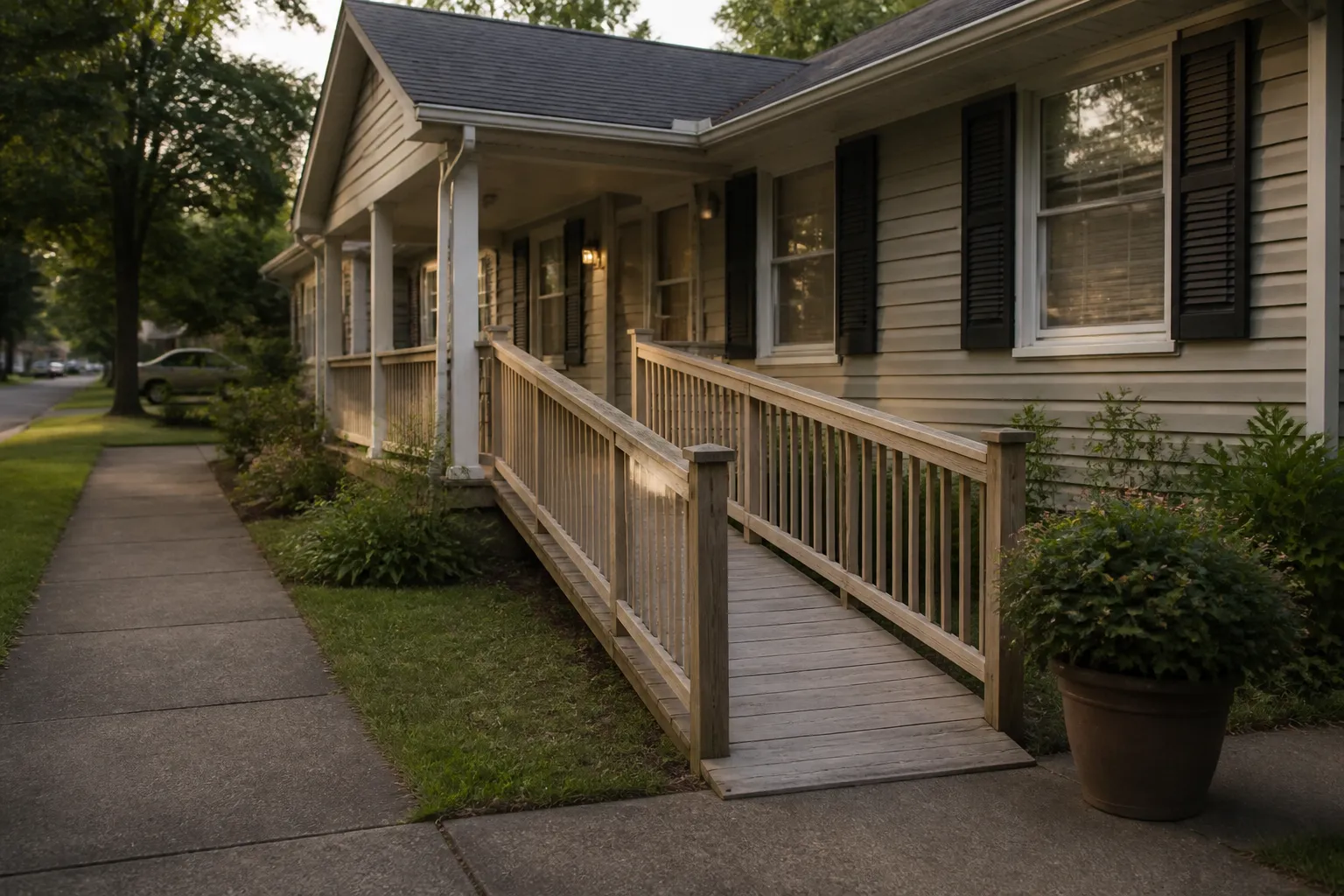
Picture a neighbor of yours, call her Margaret, who can still cook a little but no longer trusts herself on the stairs or with her pill organizer. Her daughter starts touring places. One is a big community with a lobby and a dining room. Another is an ordinary house on a quiet street with six residents. Both are called assisted living by somebody. That is where the confusion starts, and it is worth going slowly here.
What each setting is
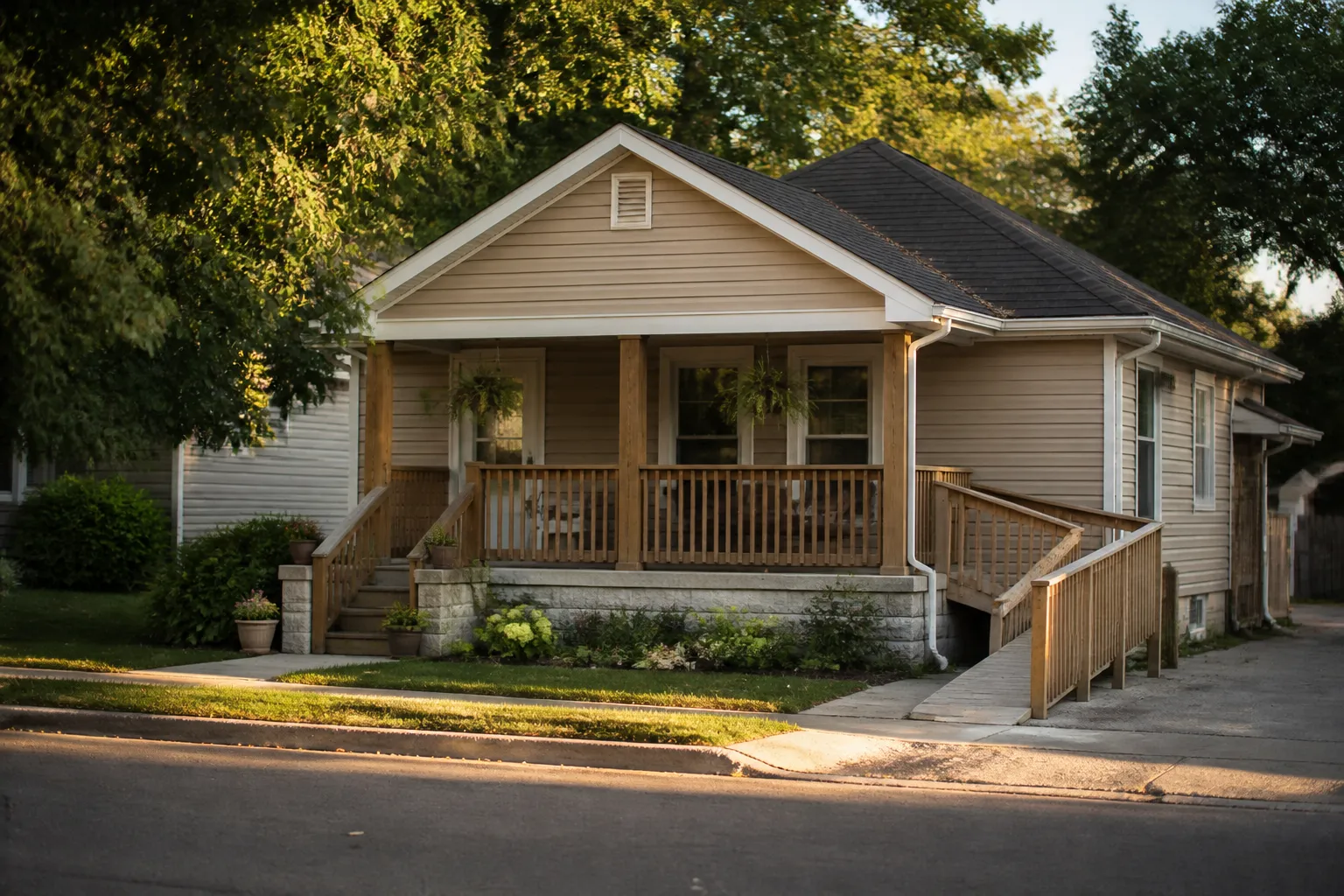
A board and care home is a small private home, usually with 20 or fewer residents. It provides meals, personal care and round-the-clock staff, but usually not nursing care. Many are regular houses adapted for the purpose, and some have only six beds.
Assisted living is the wider umbrella. It covers facilities that offer both housing and personal care, which includes those small homes and also much larger communities. Nationally, the industry counts roughly 41,465 assisted living communities with nearly 1.4 million licensed beds. So the label alone will not tell you the size, the staffing or the services. You have to ask about the specific place.
Names also change at the state line. California, for example, splits assisted living into Adult Residential Care Facilities, which mainly serve people under 60, and Residential Care Facilities for the Elderly, which mainly serve people 60 and over. Other states use other terms, so what a place is called depends on where it sits.
Cost and who pays
Most families pay for a board and care home out of their own funds. Medicaid may cover part of the cost, depending on the state and the person's eligibility. Medicare does not cover board and care homes, and that surprises many families, so it is gentler to learn it now than at the first bill.
For a rough yardstick, CareScout's 2025 national median for assisted living community care was $6,200 per month, up from $5,900 in 2024, about a 5 percent rise. Its 2025 medians for a nursing home were $9,581 per month for a semi-private room and $10,798 for a private room. These are national medians. Your state and city may run higher or lower, and any single home can differ a good deal from the median.
Housing in assisted living can range from a shared bedroom to a full apartment. Extra monthly fees may apply when someone needs more care, usually based on an assessment. Those add-ons can make up much of the final bill, so ask how the base rate is set, what triggers extra charges and how often the assessment is repeated. Then compare written quotes, not medians.
How the services differ in practice
Both settings help with daily life, but the details matter. In California, residential care facilities for the elderly generally include help with bathing, dressing, grooming and walking or transferring. They also usually offer meals and snacks, housekeeping and laundry, transportation, activities, medication assistance, and supervision to prevent wandering. Check which of these are in the base rate and which are billed separately.
Hospice is one place where facilities can differ. In California, a facility can approve hospice services for a terminally ill resident if it is in substantial compliance with licensing rules, the resident gets medical care from a licensed hospice agency, and the facility can meet the person's needs. Ask directly whether a place has that approval and whether it currently meets the conditions.
A small home may suit someone who needs daily help but would feel lost in a large building. It can feel more like a household. It may also offer fewer activities and amenities than a big community, and that trade is worth weighing honestly.
Checking standards, waivers and violations
Residential care is licensed and regulated by each state, so the most useful step is to read your state's own standards for the type of facility you are considering. Under Section 1616(e) of the Social Security Act, every state must make its standards for the group living arrangements it covers, plus a list of waivers and violations, available to anyone who asks.
Ask for those papers before you sign anything. A waiver means a facility has been allowed to differ from a standard in some way. A violation means a rule was not met. Neither one alone settles whether a home is a good choice, but both tell you what to ask about next.
One honest limit. The sources behind this guide do not compare quality outcomes, inspection results or staffing levels between board and care homes and assisted living. They also do not explain how to look up a license or inspection history. Your state licensing agency is the place to start, and it is wise to confirm the license is current before you visit.
Questions to ask and red flags
Bring a short list to each visit:
- Does the facility have approval for hospice services, and does it meet the licensing requirements for it?
- What extra monthly fees apply beyond the base cost, and how are care needs assessed?
- Does the state license cover the standards, waivers and violations you have reviewed?
Some things should give you pause. Do not assume Medicare will pay. Do not treat a published median as the price of a particular home. And if a facility will not hand over its standards, waivers and violations on request, or will not put its fees in writing, take that as a warning sign.
Medicaid rules and waiver programs vary by state and are not covered in the sources here. If Medicaid might help, your state Medicaid office or a licensed professional can explain what applies where you live. This guide is general information only, not personal medical, legal or financial advice.
Please seek a professional. This article is general information, not medical advice. Please seek a doctor or other qualified health professional about your own situation. In an emergency, call 911 or your local emergency number.
Sources
- Board and Care Homes: What They Are, Cost and Who Pays | Brevy Care
- https://vertexaisearch.cloud.google.com/grounding-api-redirect/AUZIYQGXWXBumnAYcUBDpqmKQoswenMijUaseKns1yfr5UCdjLmp1BT8wNdq4gaVfB3IEadeUyyWOacfws8qHrCQXf2uBZKa97Lez_ybzYwmougNc-TYdYpE4nJ24wFxNWQW_HEcwWKPbeKvGYBEyPKfsU-06UyvyRevL5TbFx79ncoy879Gqw==
- Assisted Living Facilities - Care Options | California Department of Aging - State of California
- https://vertexaisearch.cloud.google.com/grounding-api-redirect/AUZIYQF0f7Oe1gMVspT_jnZk3pUIzTpTJaAZuUXilqUaY14Q965JGMBG1-_lTyLRDqIic2o2hsEjQhLsrF36nG_35jYMysjEWsPBkHKQEUeHo2Q5NI-9jTux-ZQP-c9QEASoEVH11lMpTmWONSZrak68KE9noomqE8d8Fg==
- Genworth: Financial Solutions for Long Term Care | Genworth
- Cost of Long-Term Care: Senior Living, Assisted Living Cost & More | CareScout
- Assisted Living Facts & Figures
Still have a question?
Related guides
-

Reading the Fine Print Before You Move Into a CCRC
How accreditation, audited financials and refund terms fit together, and where the available sources stay silent. By Walter Pemberton
-

The Waiting Game: How Long-Term Care Insurance Actually Pays
Benefit triggers, elimination periods, and benefit limits decide when a policy starts paying and how much it covers, so read those terms before you need them.By Walter Pemberton
-

Agency or Direct Hire: Comparing the Real Cost of Home Care
A lower hourly quote can hide taxes, insurance, and scheduling work, so it helps to put every option's full terms side by side before you choose. By Priya Ranganathan