The Visit You Don't Schedule: Walking a Nursing Home on an Ordinary Day
A polished first tour shows a home at its most prepared, so a second, unannounced look on a different day can reveal how residents are really cared for.
 By Walter Pemberton ·

My neighbor Dolores toured a nursing home for her father on a Tuesday morning. The lobby smelled of fresh coffee. A smiling admissions director led her down a spotless hallway. Everything looked lovely. Then she went back on a Saturday afternoon, and she told me the place felt like a different building. Not worse, necessarily. Just more real. That second visit is what this guide is about.
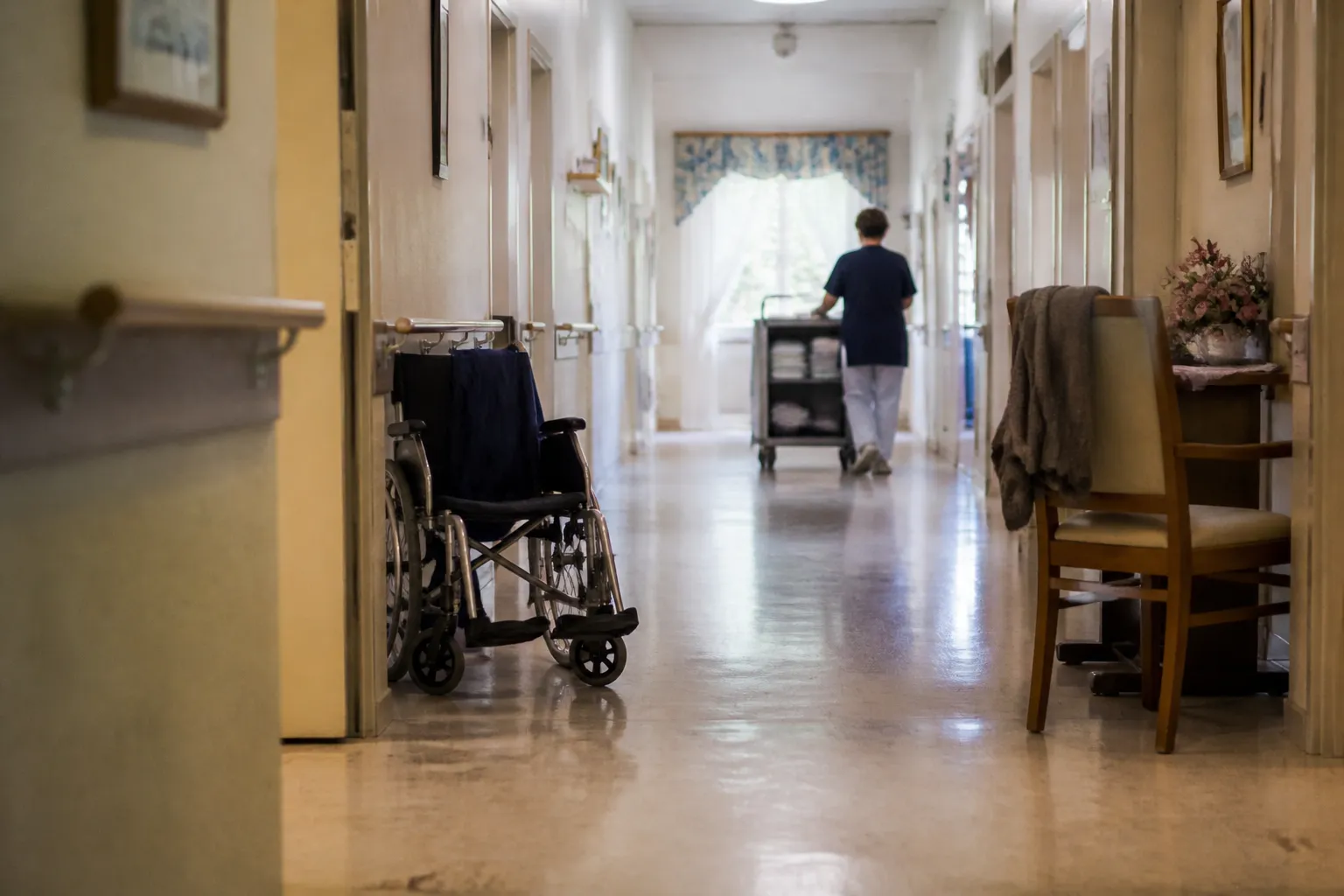
Why a second, unannounced visit matters
The first tour is nearly always arranged ahead of time with the Admissions Director. That means you see the home at its most prepared. Medicare's nursing home checklist suggests planning a second visit after the first, and says it may be unannounced. The point is to see an ordinary day.
Medicare also advises going on a different day and at a different time. Staffing can shift by time of day and on weekends, so one visit may not show the whole picture. An evening or Saturday visit can show how residents are cared for when fewer people are on duty.
One practical note. A surprise visit can disrupt a resident's routine and other residents' privacy, so the checklist suggests being accompanied by Admissions staff or their designee. Being accompanied does not mean the visit is staged. It is a courtesy to everyone who lives there, and you can still watch closely while you walk.
Your right to visit and its limits
Under federal rules revised by CMS and released in September 2016, residents of facilities that accept Medicare or Medicaid may receive visitors at any reasonable time, any day of the week. A home may set reasonable limits on very late arrivals so roommates are not disturbed. That is a sensible boundary, and a 10 p.m. knock may be turned away for good reason.
Some people have access beyond family. Government representatives, including inspectors and local long-term care ombudsman program visitors, may see residents at any time. Staff may not isolate a resident from other residents or from visitors for any reason.
There are limits on your side too. A resident can refuse to see a particular visitor, and that choice belongs to them. All visitors have equal visiting rights regardless of protected characteristics. If a home restricts visits in ways that are unexplained or seem beyond reasonable, make a note of it and ask about it plainly. These rules vary in their details, so a licensed professional or your state ombudsman program can tell you how they apply where you live.
What to observe during the walk-through
One source describes a tour as an investigation rather than a sales presentation, and I like that. Fresh paint and a polished lobby tell you little about routine care. Look past the entrance to the rooms, dining spaces and common areas residents use every day.
Try listening before you look. Do staff use residents' names? Are call lights answered promptly? When someone asks for help or seems upset, what happens next? Residents who seem comfortable approaching staff are a quiet good sign.
Then notice the surroundings:
- Odors, and how clean the floors and furniture are
- The condition of call systems and bathrooms
- Whether the nursing station looks organized, with supplies and records in order
If you can, ask to stay for a meal. Watch how food is served and how much help residents get with eating. You may talk with staff and residents along the way, and you may always come back on another day.
Red flags that warrant follow-up
None of these proves anything alone. They are reasons to ask more questions.
- Bruising on a resident that the resident cannot or will not explain. One source describes this as a possible sign of neglect or abuse. Write down what you saw, when, and who was present.
- Signs that residents are kept apart from others or from visitors, which federal rules prohibit.
- Visiting limits that go unexplained or seem more than reasonable.
- Staff who do not respond to residents, unclean surroundings, or a disorganized nursing station.
If something worries you, the sources I reviewed do not say how to report it or which agency to call. Your state's long-term care ombudsman program and state survey agency are the places to ask. Keep your notes in writing.
Planning your inquiries and what the sources leave out
Most families start with a list of homes drawn from location and recommendations. Then they phone to ask about waiting lists, cost and resident demographics before meeting the Admissions Director. It helps to decide what matters most to your loved one first. That might be nursing care, meals, physical therapy, religious connection, hospice care, a dementia special care unit, or being close to family.
A structured checklist keeps you steady when emotions run high. Medicare's covers ratings, safety, staff, living space, activities and food. Others focus on staffing, safety practices, medical oversight and resident well-being.
There are real gaps here. The sources I reviewed give no US cost ranges, and costs vary widely by state and situation, so ask each home for its rates in writing. They do not explain how to check inspection results, star ratings or complaint history. They do not cover admissions contracts, payment sources or Medicaid eligibility, and they do not give the full text of federal or state rules. Some material came from law firm marketing, and its claims about surprise visits are not backed by data. Please verify with government sources.
This is general information, not medical, legal or financial advice. For decisions about a particular person, a licensed professional, such as an elder law attorney or a social worker, can help you more than any article can.
Please seek a professional. This article is general information, not medical advice. Please seek a doctor or other qualified health professional about your own situation. In an emergency, call 911 or your local emergency number.
Sources
- https://vertexaisearch.cloud.google.com/grounding-api-redirect/AUZIYQGkhXodkUrgDRUrKnqmFr7H7g5XsijNVSwjVEiX7G13jRxhAvHsNXA4yTOSmiyHw2T7Tn4s5NqP27xR_xd3sXbSWLA73byxIFRUciK_Q4wm4zGpBxaC9zIKoX05rGuiLKlg7cGOEBeWtD7VI-tpz9unPymaNDC3YCxWtZG7yTLBDsVcP3M5
- https://vertexaisearch.cloud.google.com/grounding-api-redirect/AUZIYQFASb4pbcqe3gEeY9rbbWw2oEgdObiALcUkp5qj7sxkHksRsXP7OARiRT6KuW43FPwAWa9IIG8J6Buf26CgU1u5uKwiDNd-ZTK4qUNzuTJu0fyaDxCWjiqE4qg-o21tQGOd_2PTU8YDOKlgfsCtufK5fhypVyRKGvmJoE_BE88hMvgrMkN2-es=
- How to find the best nursing home for your loved one - Barclay Friends
- https://vertexaisearch.cloud.google.com/grounding-api-redirect/AUZIYQF-8qxlCTRB6tnST4aHXlO90ZfawJObw8HDUk_sbHhO1d821NpSGQYkWH0Bii2-btOdCMMnKLIfPEcBaRKJCbujwTDrX1NybNeoLikbT-fLVHVaUvFWOezLfFx5WlHZXaTdVRpUEYObJqwtr-ZrFyGwRw==
- https://vertexaisearch.cloud.google.com/grounding-api-redirect/AUZIYQHyENPq94Z1zfWpYc3SWvg0uqgGmnzTCsjecOofTXjff29a4eywyNh0vcLDva6Q4Ybhk94c8YPBbS8gxQhJxm8go-_otPrCSRi1novt7rw8R2rUteCZmfQ6YYM-Y22Uk2YXv4tk0RupeWn0ZVzA0-NEy24A_v0SQPIVxjf2I4eoW3A81hegiKtnw-00zGyalR4UO3Utv9KfdX3GP5CwbhkvDfkbcl5YlXkEf5QvDmfsRLjopxSbd6A3zpf_rDruBH7Wdw==
- Nursing Home Visitation Rights
- How Unannounced Visits are a Powerful Tool Exposing Nursing Home Abuse & Neglect - Dudensing Law
- The Facility Tour Checklist Every Caregiver Should Bring | Bedsore.Law
Still have a question?
Related guides
-

Reading the Fine Print Before You Move Into a CCRC
How accreditation, audited financials and refund terms fit together, and where the available sources stay silent.By Walter Pemberton
-

The Waiting Game: How Long-Term Care Insurance Actually Pays
Benefit triggers, elimination periods, and benefit limits decide when a policy starts paying and how much it covers, so read those terms before you need them.By Walter Pemberton
-

Agency or Direct Hire: Comparing the Real Cost of Home Care
A lower hourly quote can hide taxes, insurance, and scheduling work, so it helps to put every option's full terms side by side before you choose. By Priya Ranganathan