Before You Buy Commercial Property, Check What Comes With the Deed
Federal liability rules and SBA loan requirements decide how much environmental review you need, and the cheapest report is the one you order before closing.
 By AnselmRoarke ·
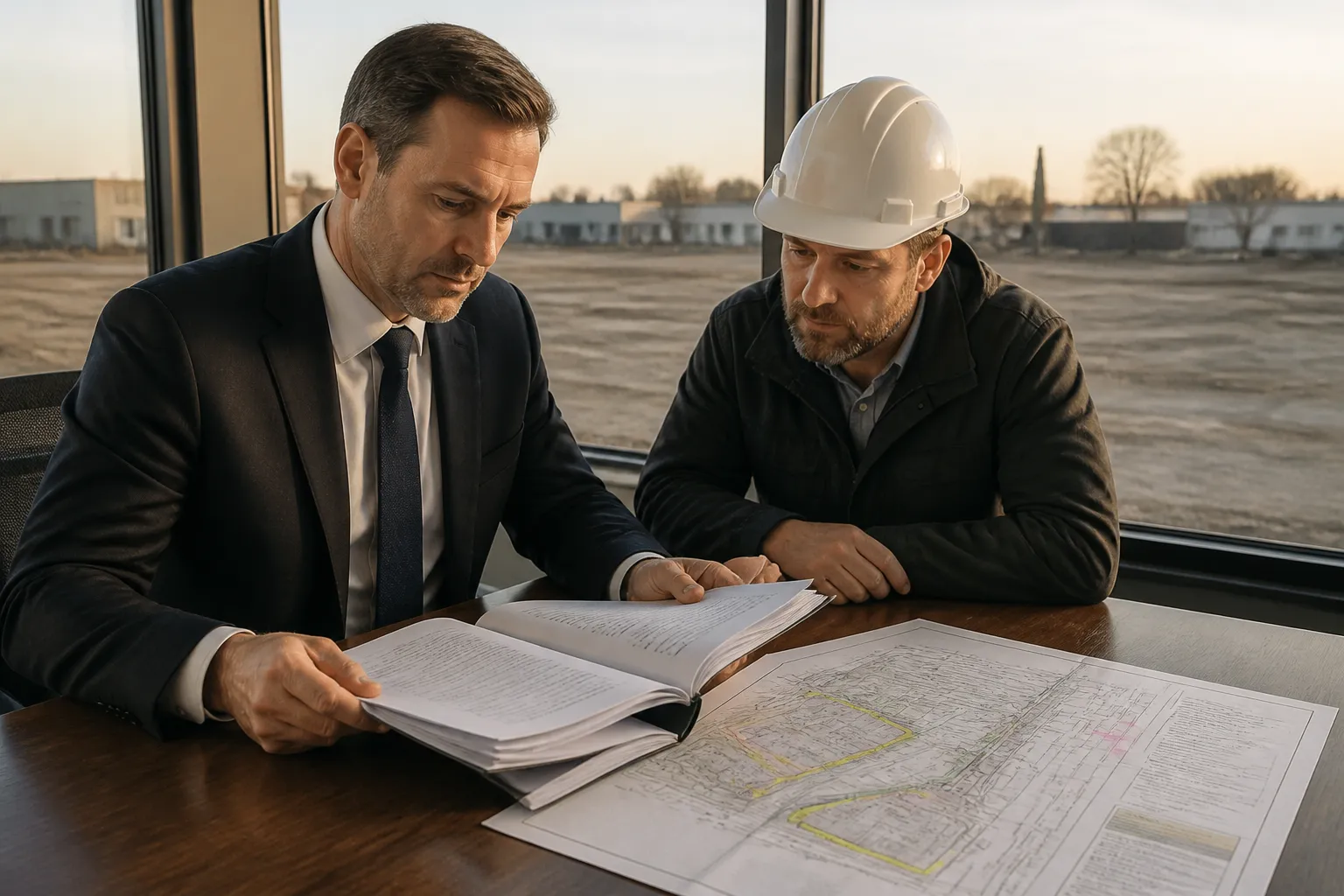
Verdict first: hire the consultant before you hire the hope. A commercial property can hand you someone else's pollution along with the deed, and the report you buy in advance is the cheapest way to find out. This guide covers what the assessment is for, how SBA-backed loans decide how much review you need, and what to ask before you sign anything. It is general information, not legal or financial advice.
Under the federal Superfund law, liability for contamination can be assigned based on ownership alone. You do not have to have caused the mess to be handed the cleanup.

Why the environmental assessment matters before you buy
The federal process is called All Appropriate Inquiries, or AAI. It is how a buyer evaluates a property's environmental conditions and assesses possible contamination liability before taking ownership. The EPA describes it as the inquiry buyers and lenders use to understand what they may be inheriting.
Why bother? Because of CERCLA, the federal Superfund law. Liability can attach to the owner simply for being the owner. A completed inquiry can help a buyer qualify for protections such as the innocent landowner, contiguous property owner, or bona fide prospective purchaser defenses. Those depend on doing the process correctly and on timing. Do not assume they cover your deal. Ask a qualified attorney.
The AAI final rule was published November 1, 2005 and took effect November 1, 2006. It lives in 40 CFR Part 312. That is the foundation a consultant's report should stand on, so it is a useful thing to know before you read a proposal.
What the standards mean and how to check a report
The common product is the Phase I Environmental Site Assessment. The EPA states that ASTM E1527-21, the Phase I standard, and ASTM E2247-23, for forestland or rural property, are consistent with the AAI rule and can be used to satisfy it. Both are named on the EPA's AAI page.
So the test is simple. Ask the consultant whether the work complies with 40 CFR Part 312 and with the right ASTM standard for your property type. A vague answer, or none, means keep asking. Also confirm they are working from current editions. Standards and lender rules change, and a report built on an old one is a report you may pay for twice.
How SBA-backed loans set the level of review
If an SBA loan is paying for the purchase, the rules sit in SOP 50 10, which governs origination for the 7(a) and 504 programs. The current edition is 50 10 8, effective June 1, 2025, with later technical updates. Your lender applies it, so learn it early. The SBA's SOP page is the primary reference.
The system is a ladder. Step one is an environmental questionnaire. For loans of $250,000 or less on properties with no environmentally sensitive current or past use, that questionnaire may be the whole requirement. Above $250,000, a Records Search with Risk Assessment, or RSRA, is generally required. One industry guide puts it at a few hundred dollars to around a thousand, taking roughly a week. Costs vary by state and provider, so treat that as a rough marker.
The RSRA checks the databases named in the EPA rule plus historical records: aerial photos, fire-insurance maps, city directories, going back to first use or 1940. It ends with an environmental professional labeling the property low risk or elevated or high risk. Elevated or high generally sends you to a Phase I.
When a Phase I and Phase II become necessary
The lender also checks current and past uses against the environmentally sensitive list in SOP 50 10 Appendix 6. Gas stations, dry cleaners, auto repair shops and manufacturing are on it. A match, an elevated RSRA, or a questionnaire hinting at contamination generally leads to a Phase I.
If the Phase I finds Recognized Environmental Conditions, expect a Phase II. That means sampling, and sampling costs real money. The sources for this guide give no dollar figure, so get a written quote. Dry cleaning is the blunt case: it triggers a Phase II no matter what the Phase I says.
Confirmed contamination pauses SBA approval and disbursement until the agency is satisfied the risk is managed. That can mean a remediation plan, a closure letter, an escrow or an indemnity. The SBA also requires reliance letters with Phase I and II reports, so the lender may rely on the consultant's work. Ask for that letter up front.
How to choose and what to ask
Timing beats everything else. Work out which rung your property is likely to reach, and raise it with your lender before you make an offer or sign a purchase agreement. Finding a problem mid-loan can delay closing by weeks.
Then cross-examine the candidates:
- Does the assessment comply with 40 CFR Part 312 and ASTM E1527-21 or E2247-23?
- Will the report come with the reliance letter my SBA lender requires?
- Does this property's current or past use appear on the SBA sensitive list, and how would you handle that?
Red flags are easy to spot. A consultant who cannot name the standard. A report your lender will not rely on. Someone who will not explain findings in plain language. Dry-cleaning history is its own alarm bell.
Two gaps, stated honestly. The sources here do not cover how to verify a consultant's qualifications, so check licensing with your state regulator or the relevant professional body. They also give no standalone Phase I or Phase II prices, which vary by state and property. Collect written proposals from several providers, compare what each includes, and confirm scope before you commit. Then talk to your attorney and lender about what the findings mean for your purchase.
Sources
- Brownfields All Appropriate Inquiries | US EPA
- https://vertexaisearch.cloud.google.com/grounding-api-redirect/AUZIYQGJ7RiIrMEqYuDDA3IPYmrhdvXp0GqLQUNxrHEdFo5ZYx3eS8DpMfTUBjYOU-VUR2Na804tpDGRzetuCcXaS3-nDt7VAFONwUilsj6rD-At8LifxHOrtMxLU2voeJTwDpgoPiW0fMGVXyF6q2sv62alsYPGnsOZGsfUlauQ881_OMX-0Fk3fn69uzK6MWKxomudjaPlqesBwPujWjqViYqJwGt8SboCrwfLU3CQr7DJFA==
- Federal Register :: Request Access
- Lender and Development Company Loan Programs | U.S. Small Business Administration
- SBA Environmental Policy Update: Navigating SOP 50 10 8 | Partner Engineering and Science, Inc.
- SBA Loan Environmental Requirements Explained (SOP 50 10) · The Diligence File
- https://vertexaisearch.cloud.google.com/grounding-api-redirect/AUZIYQFhlxHgSf8cvw0N2fGikkEB8APQJgkr8MafFwKKeOv6R6UXIquNy7Pazlrxgmpz26E5TkkGVKE2MQOBhj9Y-DYtqTxBJuZBST0dVNRG2jPOZMmKWZfnlW5qwQ_h1nR6I4kbz6M2EzJlrv4LDQFE13yKvabpnlSvv2usUkw6hbpf_X2mekmnxuNC4g==
- ASTM Standards for Phase I ESA (Guide) | CREtelligent
Still have a question?
Related guides
-

Is That Professional Certification Worth Paying For? Test It Before You Spend a Dollar
Job postings, an independent issuer, and written renewal terms separate credentials that pay off from expensive decoration. By Dolores Kinnane
-

Choosing a Managed IT Provider Without Trusting Blindly
Before you sign, make the provider show what it watches, who acts when something breaks, and who pays when it fails. By Imogen Tarrant
-

What Managed IT Really Costs a Small Business, and Where the Guides Get Vague
Per-user rates look tidy in the headline, but onboarding fees, out-of-scope labor and the provider-written sources behind them tell a messier story.By AnselmRoarke