Free OSHA Help Versus a Paid Consultant: Which Do You Need?
Start with the no-cost federal consultation program, then hire a private consultant only if you need work it cannot provide, and verify every credential before signing.
 By Imogen Tarrant ·

Verdict first: before you pay anyone, find out whether the free option covers you. OSHA's on-site consultation service costs nothing for eligible small and medium businesses, and it comes with no citations attached. A private consultant is worth hiring when you need more than a walk-through. Just don't expect a bargain, and don't expect anyone to guarantee a clean inspection.
"A promise that your workplace will pass an OSHA inspection is a sales line, not a service."
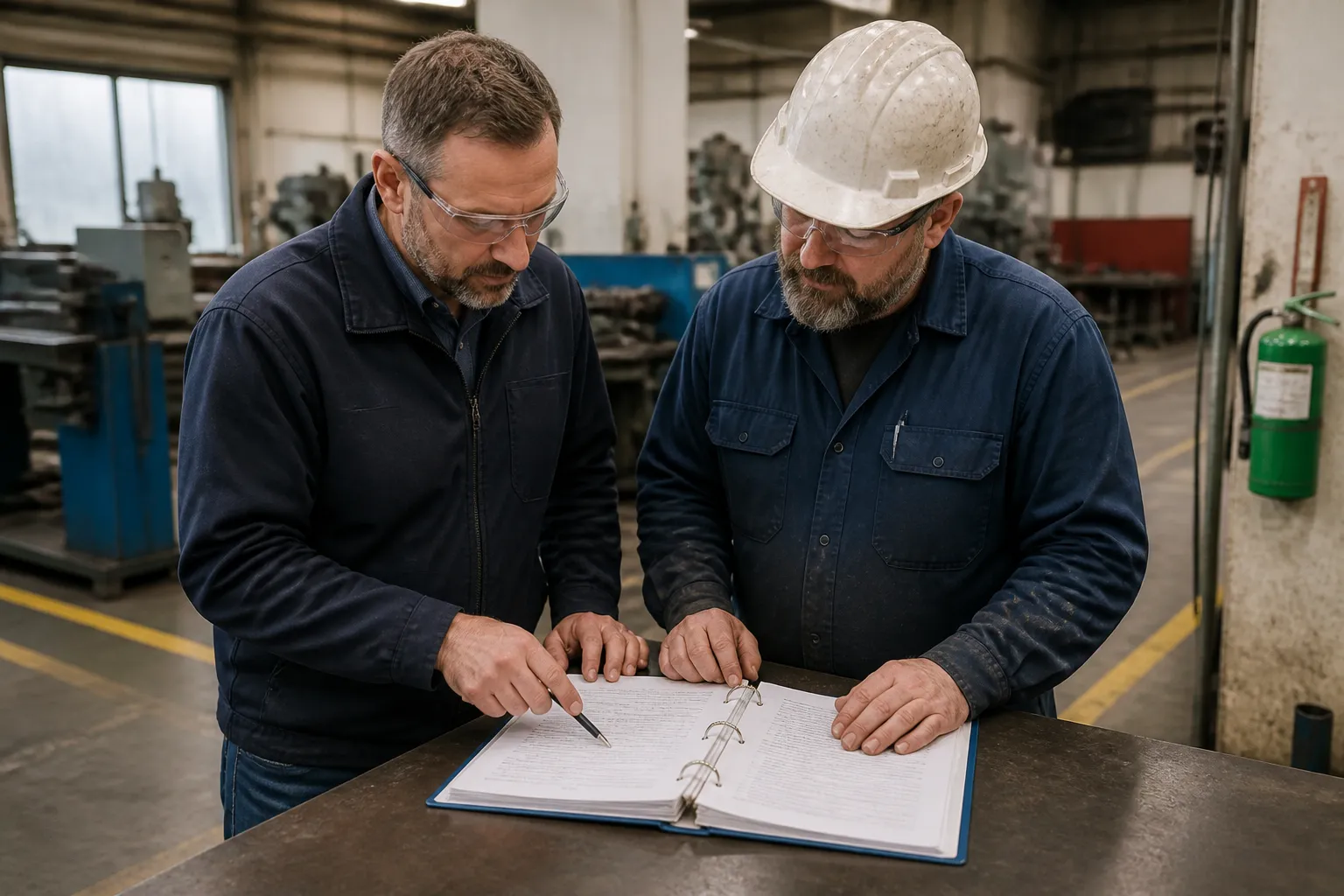
Start by deciding what kind of help you need
There are two different products here, and vendors have an interest in blurring them. The first is OSHA's on-site consultation service. It is free and confidential for eligible small and medium-sized U.S. businesses, with priority for high-hazard worksites. The consultants come from state agencies and universities, not from OSHA enforcement. The second is a private compliance consultant. You hire that person, and you and they set the fees, contract and scope.
The free service has firm limits. Consultants do not issue citations or propose penalties. They do not report possible violations to enforcement staff. They also cannot promise you will pass an inspection. In return, you must commit to fixing serious hazards they find. Eligible companies may qualify for a one-year exemption from routine inspections, which is a nice perk for a free service.
On a tight budget, OSHA's free "Recommended Practices for Safety and Health Programs" is a sensible place to begin. Read it before any sales call. You will ask better questions.
Understand what a consultant will actually do
Ask what you are buying, in plain words. Safety consultants typically help you recognize hazards, suggest fixes for safety or health problems, and point you to further help. Many also write or maintain your safety and health programs and train your staff. The free service delivers a written report of findings, too. Make any private consultant tell you which of these tasks are in the engagement and which cost extra.
A good one starts by learning how the work really happens. Do your people handle chemicals? Wear respirators? Which written programs does your operation need? If a consultant hands you a stack of programs before asking any of that, they are working from a template, and you are paying for the template.
Workers belong in the process. They know the tasks and where the hazards hide. A review that only hears from management hears the tidy version.
Check credentials and verify them yourself
Letters after a name mean something only if you can confirm them. The Certified Safety Professional credential from the Board of Certified Safety Professionals requires four years of safety experience. The board offers eight certifications for different experience levels, education and responsibilities, including CSP, ASP, OHST and CHST, listed on its website.
You may also see the Certified Industrial Hygienist from the Board for Global EHS Credentialing, or the Certified Hazardous Materials Manager from the Institute of Hazardous Materials Management. Each should be accredited, meaning validated by an impartial third party. Check a BCSP certification in its Credential Holder Directory. To confirm a certifying body is accredited, search the ANAB directory for Personnel Certification Bodies. If a credential does not show up in either place, ask why. Then ask again.
Match experience to the job
Credentials say someone passed a test. Experience says whether they have seen your kind of site. A consultant who has spent a career in one industry may not know the hazards in another. Ask for examples of similar projects, and listen for specifics rather than adjectives.
The American Society of Safety Professionals has a consultant practice specialty and reports more than 35,000 members. Membership is one signal. It is not a substitute for verified credentials or relevant work.
If you are actually hiring an in-house safety person, make sure the posted experience and qualification requirements match the position. Mismatched requirements can screen out people who would do the job well.
Ask questions and watch for red flags
Bring a short list and expect direct answers:
- Are the credentials you list accredited, and can I verify them through the named directories?
- Does your experience match the work this job requires?
- What would you need to learn about our processes, chemicals and respirator use before recommending written programs?
Vague answers to any of these are your answer. The loudest red flag is a guarantee that you will pass an OSHA inspection. OSHA's own consultants do not offer one, so a private seller who does needs to explain how. Be wary, too, of anyone who treats a small budget as a reason to skip safety work. Low-cost and no-cost options exist.
What it costs, and the gaps to close before you sign
Here is the honest cost answer: the OSHA on-site service is free to eligible businesses, and the sources behind this guide give no fee ranges for private safety consultants. So no U.S. figure appears here. Rates vary by state, industry, site size and scope, so get written proposals that show scope, rate structure and deliverables. For scale, the National Safety Council estimated that workplace injuries, illnesses and fatalities cost more than $1.3 billion in 2024. That is the price of skipping the work, not a quote.
Public guidance also leaves holes that matter in a contract: hourly rates, terms, scope, insurance and liability. Get these in writing. Ask for references and past work, and confirm the consultant carries the insurance your contract requires. Consider having your own attorney or insurance adviser read the paperwork.
If you want the free route, contact your state's OSHA consultation program about eligibility and how to request a visit, then compare its timing and follow-up with what a private consultant offers. This is general information, not legal, financial or safety advice for your situation, so consult a licensed professional before you commit.
Sources
- OSHA's Consultation Program is Free and Confidential
- Safety on a small budget - Safety+Health Magazine
- BCSP Viewpoints: Know what to look for when hiring a safety pro
- Board of Certified Safety Professionals | BCSP
- Certified Safety Professional® (CSP®) | BCSP
- Safety Consultant Practice Specialty | ASSP
- Safety Managers | Umbrex
- Seeking an OSH Consultant
Still have a question?
Related guides
-

Is That Professional Certification Worth Paying For? Test It Before You Spend a Dollar
Job postings, an independent issuer, and written renewal terms separate credentials that pay off from expensive decoration. By Dolores Kinnane
-

Choosing a Managed IT Provider Without Trusting Blindly
Before you sign, make the provider show what it watches, who acts when something breaks, and who pays when it fails.By Imogen Tarrant
-

What Managed IT Really Costs a Small Business, and Where the Guides Get Vague
Per-user rates look tidy in the headline, but onboarding fees, out-of-scope labor and the provider-written sources behind them tell a messier story. By AnselmRoarke