How to Test a Uniform or Linen Rental Provider's Certification Claims Before You Sign
Check for a named, current, independently verified certification, then confirm the provider keeps earning it through ongoing testing and inspection.
 By AnselmRoarke ·
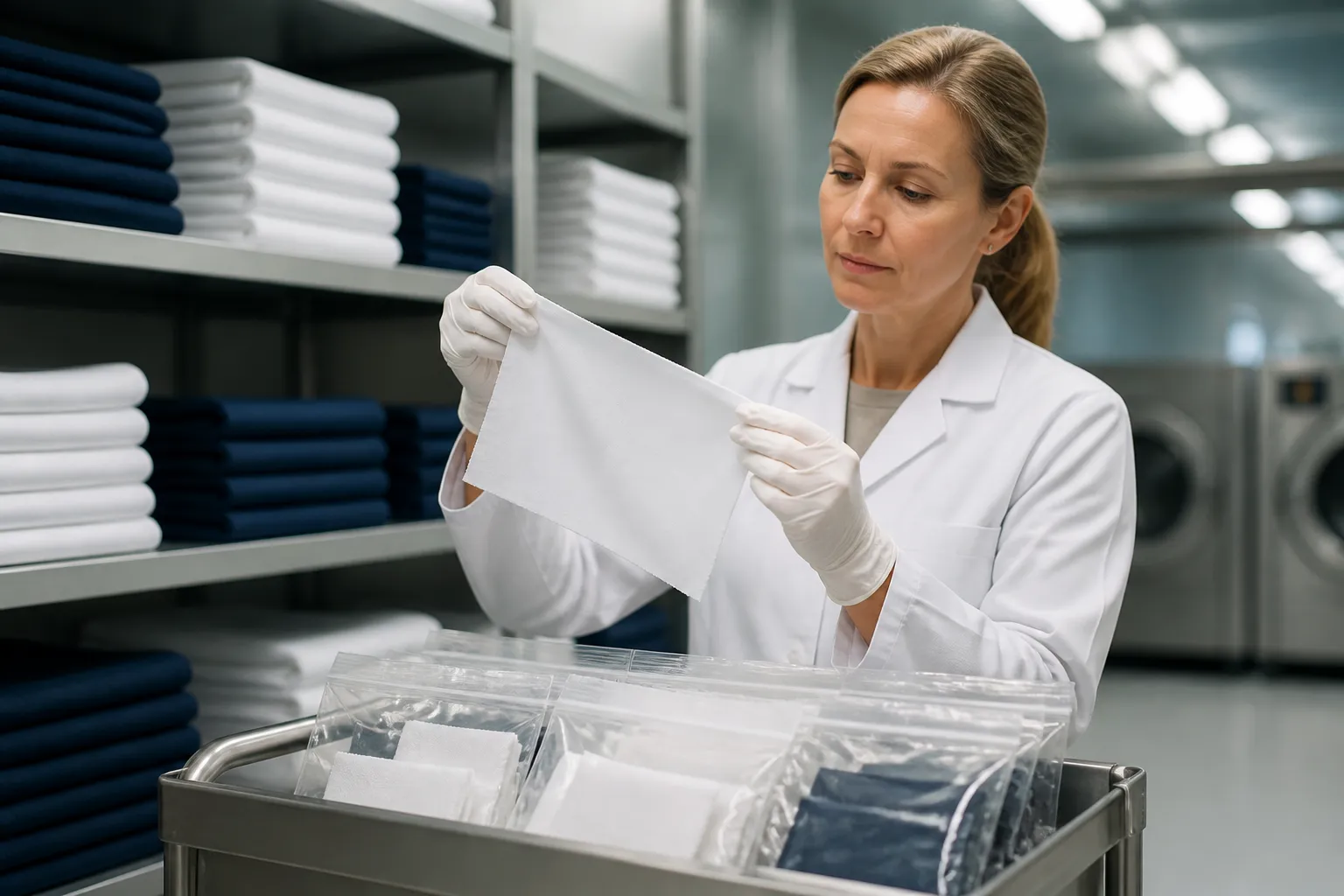
Verdict first: the best uniform or linen rental provider is the one that can show you a named, current, independently verified certification, and explain how it keeps earning it. Everything else on the sales deck is decoration. Here is how to test the claims before you sign.
Start with the certification that fits your use
Certification is the first filter, and the right one depends on where the textiles end up. Hygienically Clean (HC) is a third-party certification for linen and uniform providers. Certified laundries pass independent inspections and ongoing microbial testing. The Textile Rental Services Association (TRSA) runs HC programs for Healthcare, Food Safety, Food Service and Hospitality. Each has its own industry-specific standard.
Match the program to your operation. Chef coats and table linens point to the Food Service or Food Safety standard. Clinics, hospitals and dental offices point to Healthcare. Hotels and similar businesses may find Hospitality more relevant. If environmental performance matters to you, TRSA's Clean Green program covers water, energy and wastewater use, and sewer discharge. For floor mats, ask about product certification from the National Floor Safety Institute, which addresses slip resistance.
Healthcare buyers will also meet HLAC, a nonprofit that inspects and accredits laundries handling reusable textiles for hospitals, nursing homes and similar facilities. Read the fine print. HLAC inspectors are not certified state or federal surveyors, and its accreditation does not equal regulatory compliance. It is one outside signal. It is not a government stamp, whatever the brochure implies.
Understand how certification is earned and kept
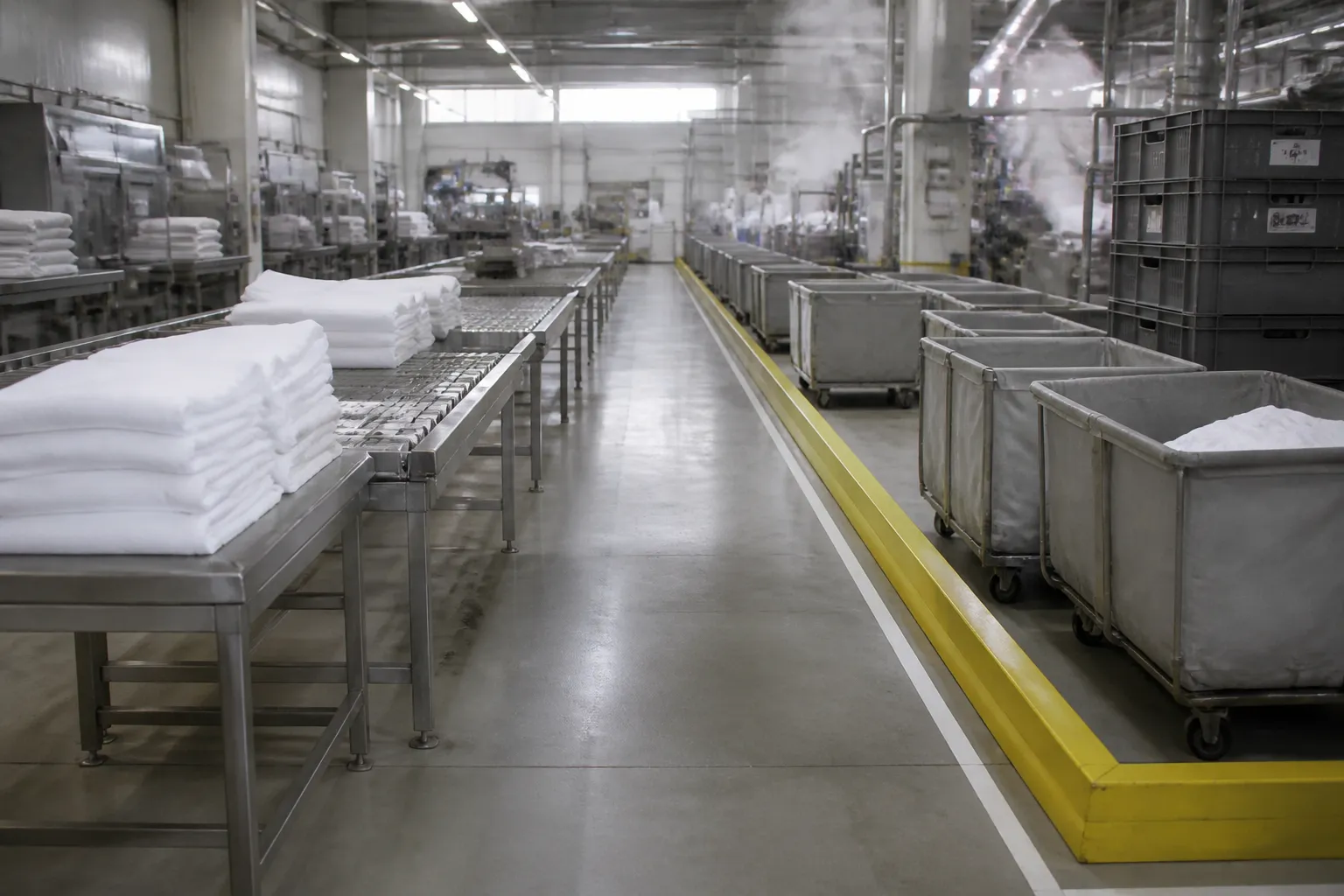
A badge on a delivery truck tells you little. What matters is the process behind it. To earn Hygienically Clean Healthcare status, a laundry passes three rounds of outcome-based microbial testing plus a facility inspection. To keep it, the laundry passes quarterly testing. Re-inspection generally comes every two to three years. Routine tests include RODAC plates, which check surfaces for contamination, and USP62, which looks for harmful microorganisms.
Inspectors also want evidence that employees are trained and protected, that managers understand the rules that apply to them, that operations meet OSHA standards, and that the plant runs well. Some health-related certifications reference OSHA procedures built on the Bloodborne Pathogens Standard. That matters if your people will handle soiled items.
HLAC works differently. Inspections are typically every three years, sometimes more often. It uses process-based accreditation with a checklist and leans less on end-product testing. A laundry must meet at least 90% of inspection statements. Standards are reviewed every three years, and the 2023 version took effect January 1, 2023. HLAC's own argument is that one clean test result is a snapshot of one moment. Fair point. Ask how the provider keeps results clean on the other days.
Ask questions that test whether a claim holds up
Start blunt. Which certification do you hold? Is it current? Who verified it? If the answer is a vague "we meet all industry standards," you have learned something. Ask when the last inspection happened and when the next one is due. A real program has dates.
Then ask about the work itself:
- Do you run routine microbial testing, and which methods?
- How are soiled and clean linens separated in transport? Cross-contamination often happens on the truck and at the loading dock.
- Are staff trained in infection prevention and bloodborne pathogen procedures, if your account involves healthcare or food handling?
Be wary of any provider that presents accreditation as government approval. Be equally wary of one that waves a single product test and says nothing about process controls. Both patterns suggest marketing running ahead of verified practice.
Know what the research does not settle
Price is the obvious hole. The sources I reviewed give no US dollar ranges for uniform or linen rental, so monthly costs, contract length, delivery fees and setup charges are not covered here. Costs vary by state and by your situation, including volume, item types and delivery frequency. The honest way to compare is to request written quotes from several providers on identical specifications and ask each to itemize delivery, setup and any other fees.
Market data gives only mood. In a Q4 2025 TRSA/Baird survey, 68% of linen rental respondents reported no change in new-account pricing, and the average increase on existing accounts under review was 1.8%. Expected 12-month revenue growth was 3.6% for uniform rental and 3.8% for linen. That says the industry is steady. It does not tell you what you will pay.
Some questions belong to your own advisers, not a general guide like this one. Does a law or regulator where you operate require a particular certification? What does your local health department expect for food-service or healthcare textiles? Who is liable for lost or damaged items? What safety duties fall on you as the customer? Does the provider suit your size, whether a small clinic or a large chain? Read contract terms, cancellation rights and service guarantees closely, and consider having an attorney or other licensed professional review them. This article is general information, not legal, medical or financial advice.
Sources
- Hygienically Clean Certifications - Laundry Services
- TRSA: Survey finds uniform, linen and healthcare rental services holding steady as 2025 draws to a close - Laundry And Cleaning News
- Which Laundry Certification Should I Look For When Choosing A New Service?
- Hygienically Clean Defined–and what does it have to do with restaurants? | Mickey's Linen
- Up To Date Laundry Recertified Hygienically Clean Healthcare – Up To Date Laundry – The premier provider of laundry services for healthcare
- Standards - HLAC
- Home - HLAC
- Benefits and Advantages of Process Driven Accreditation - HLAC
Still have a question?
Related guides
-

Is That Professional Certification Worth Paying For? Test It Before You Spend a Dollar
Job postings, an independent issuer, and written renewal terms separate credentials that pay off from expensive decoration. By Dolores Kinnane
-

Choosing a Managed IT Provider Without Trusting Blindly
Before you sign, make the provider show what it watches, who acts when something breaks, and who pays when it fails. By Imogen Tarrant
-

What Managed IT Really Costs a Small Business, and Where the Guides Get Vague
Per-user rates look tidy in the headline, but onboarding fees, out-of-scope labor and the provider-written sources behind them tell a messier story.By AnselmRoarke