How to Vet a Sprinkler Inspection Company Before You Sign
Confirm the edition, verify the credentials, and demand records you could show an insurer, because a glossy brochure proves none of it.
 By Imogen Tarrant ·
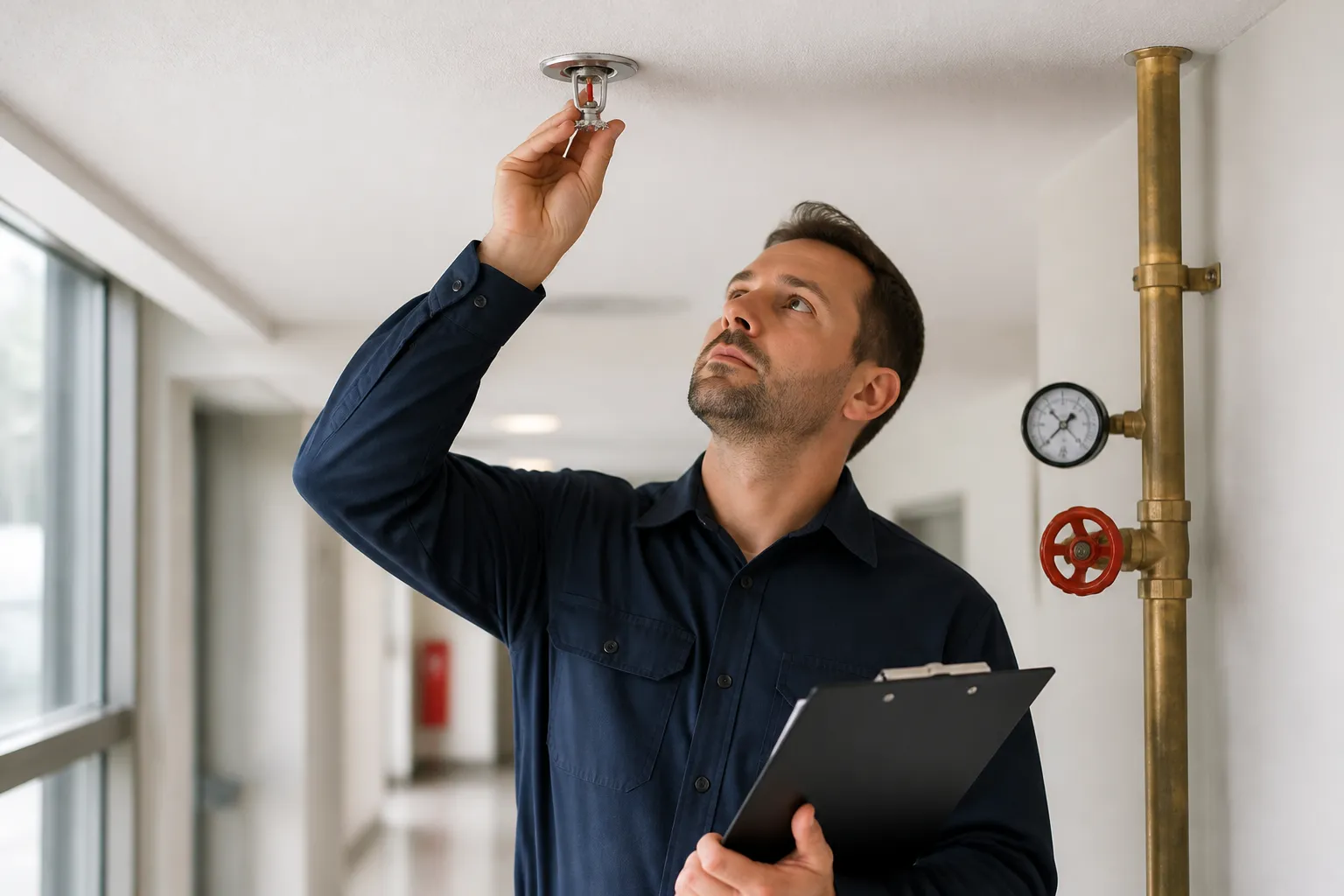
Verdict first: pick the company that can name the edition of NFPA 25 your local fire official enforces, put a certified name on the inspection, and hand you records you could wave at an insurer. Everything else is brochure. Here is how to test those three claims before you sign.
Start with the standard and the local edition
NFPA 25 is the rulebook for inspecting, testing and maintaining water-based fire protection once it is installed. Design and installation sit under NFPA 13. The alarm side sits under NFPA 72. If someone is pitching you ongoing sprinkler inspection and cannot say which document they work from, you have learned something already. The National Fire Sprinkler Association's overview is a plain place to start.
Now the catch. Jurisdictions adopt editions on their own schedules. The edition that binds your building is the one your local authority having jurisdiction (the AHJ, usually the fire marshal's office) has adopted. That may not be the newest. So ask the provider, "Which edition do you inspect to, and does it match what the AHJ enforces?" Then call the AHJ yourself. The sources reviewed do not list state-by-state adoption, so nobody can answer this for you from a distance.
NFPA 25 has no retroactivity clause. An older system does not get grandfathered out of the inspection rules. A company working from an outdated edition can leave gaps that show up at a fire marshal visit or an insurance review, which is the worst time to find them. Cold-climate owners should also note that the 2026 edition reclassifies ice-blocked systems as impaired, and an interim amendment is slated to take effect December 22, 2025. Ask whether the provider has even heard of it.
Check credentials and who will actually do the work
A credential is a claim with a lookup number. NICET's Inspection and Testing of Water-Based Systems program certifies technicians who inspect and test existing systems. Ask whether the inspector holds it, then verify through NICET's certification pages and its verification tool instead of accepting a nod over the phone.
It helps to know what the paper represents. NICET's requirements call for at least six months of involvement with inspection, testing, repair and maintenance of water-based systems, plus a minimum of two years in inspection and periodic testing, with at least one year on existing systems. Certification must be kept up through continuing professional development and renewed every three years. Exams were updated in 2025, with the Level III version due December 1, so ask for current status, not a certificate from some earlier era.
Then ask the question salespeople dislike: who is physically showing up? The person who sold you the contract and the person on the ladder are often different people. The name on the report should match the name you were promised.
Match the provider to your frequency tiers
NFPA 25 runs on intervals, from weekly checks to five-year work and beyond, with each component mapped in Table 5.1.1.2. It covers sprinklers, standpipes, private fire service mains, fire pumps, water storage tanks, water spray, foam-water, water mist and valves. Your building probably has only some of these.
Your own maintenance staff can usually handle basic weekly and monthly checks. Quarterly, annual and five-year work generally belongs to a qualified contractor. So make two lists: your components, and who covers each interval. Have the provider confirm which tiers they perform. The gap between those lists is where missed work lives, and each side assumes the other has it.
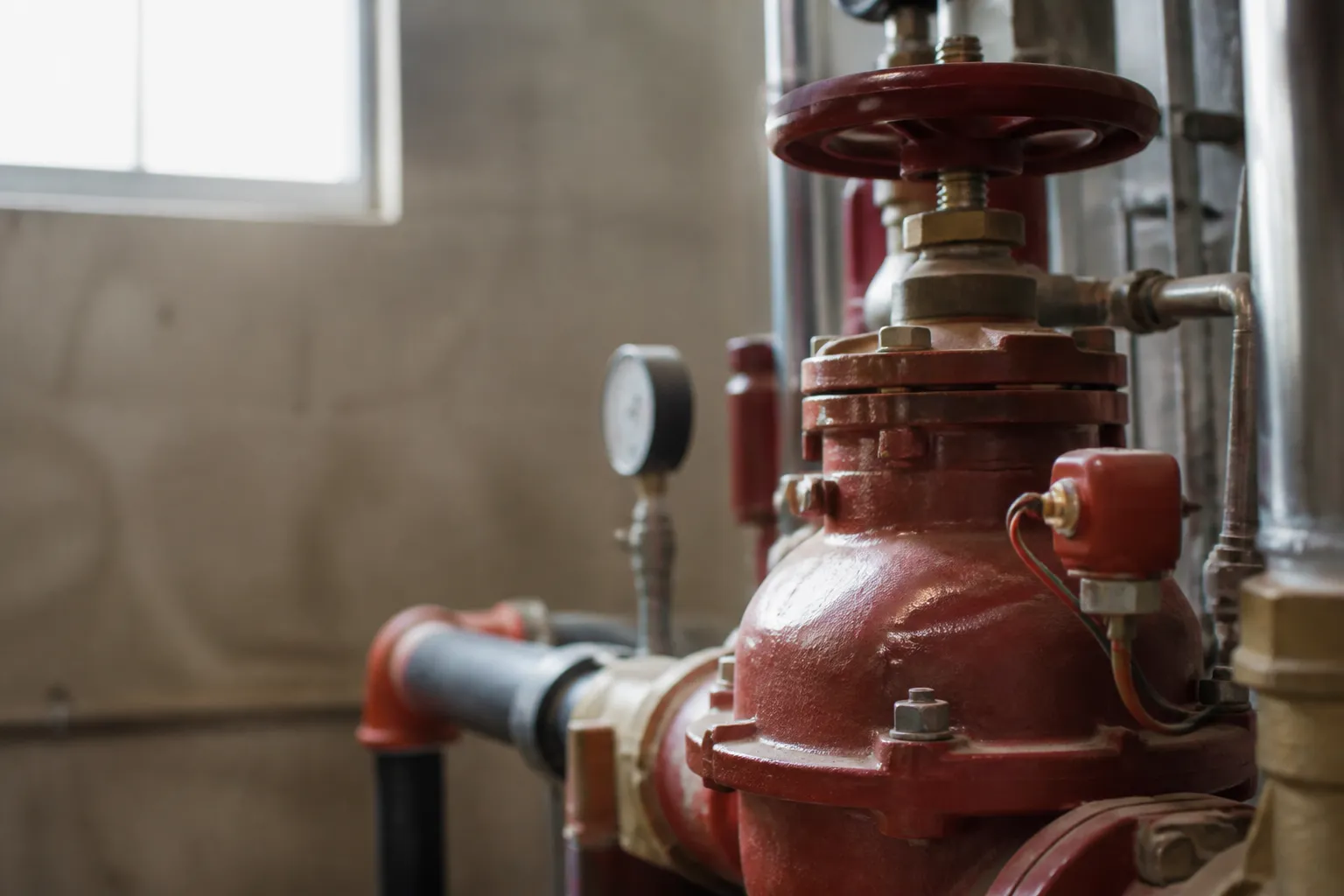
Watch how they treat shut-off valves. In the sources reviewed, a closed or partly closed valve was the most common reason sprinklers failed to operate, about 61% of failures. Sprinklers otherwise do their job: they operated in 92% of fires where they were present and large enough to activate, and were effective in 97% of those. A checklist that rushes past valve verification is a bad sign.
Judge the records and impairment handling
The inspection is half the product. The paper is the other half. Missing or incomplete records can complicate a claim investigation and make it hard to prove the required work was done. Ask what the provider delivers, how long they keep it, and how that fits retention rules, which run on a rolling schedule tied to each inspection's frequency.
Good reports show dates, who performed each test, and any deficiencies found. Vague checkmarks do not count. Ask for a sample with the client name removed. If they hesitate, that is your answer.
Also ask what happens when something is wrong. An impairment means a system or part is out of service or not working to standard. The provider should be able to describe, step by step, how they notify you, document it, and support either a return to service or a corrective plan. "We'll let you know" is not a procedure.
Know the owner's responsibility and the red flags
Hiring an inspector does not hand off the legal duty. Property owners hold ultimate responsibility for compliance even when the work is contracted. Keep your own copies of every report. Do not rely on the vendor's portal surviving the relationship.
- Anyone implying compliance rests only on the fire marshal or the inspection company.
- Missed or incomplete inspection records.
- Shut-off valve checks treated as optional.
- An outdated edition when the AHJ has adopted a newer one.
The stakes are ordinary and expensive: violations, fines and denied insurance claims.
What it costs
The sources reviewed give no fee ranges, so treat these as rough, general ballparks and nothing more. A single annual inspection of a small commercial building often lands somewhere from a few hundred dollars to a couple thousand. Large or multi-building sites, fire pumps, and five-year internal work can push totals well higher. Prices swing by state, building type, system size and number of components. Get itemized quotes tied to the tiers you listed, and compare scopes before totals. The cheapest bid often just does less.
This is general information, not legal, insurance or engineering advice. For your specific building, talk with your AHJ, your insurer and a licensed fire protection professional.
Sources
Still have a question?
Related guides
-

Is That Professional Certification Worth Paying For? Test It Before You Spend a Dollar
Job postings, an independent issuer, and written renewal terms separate credentials that pay off from expensive decoration. By Dolores Kinnane
-

Choosing a Managed IT Provider Without Trusting Blindly
Before you sign, make the provider show what it watches, who acts when something breaks, and who pays when it fails.By Imogen Tarrant
-

What Managed IT Really Costs a Small Business, and Where the Guides Get Vague
Per-user rates look tidy in the headline, but onboarding fees, out-of-scope labor and the provider-written sources behind them tell a messier story. By AnselmRoarke