The Invoice That Wants Your Money Today
Most directory and invoice scams succeed because nobody checks the bill, so confirm every request through a channel you already trust before any money moves.
 By Dolores Kinnane ·

Short verdict: most invoice and directory scams work because nobody checks. The bill is small, the office is busy, and paying it is easier than arguing. The fix is boring. Confirm the request through a channel you already trust, and do it before money moves. This is general information, not legal or financial advice, so talk to a licensed professional about your own situation.
Most reputable companies will not pressure you into agreeing on a first call. If someone does, that is the answer to your question.
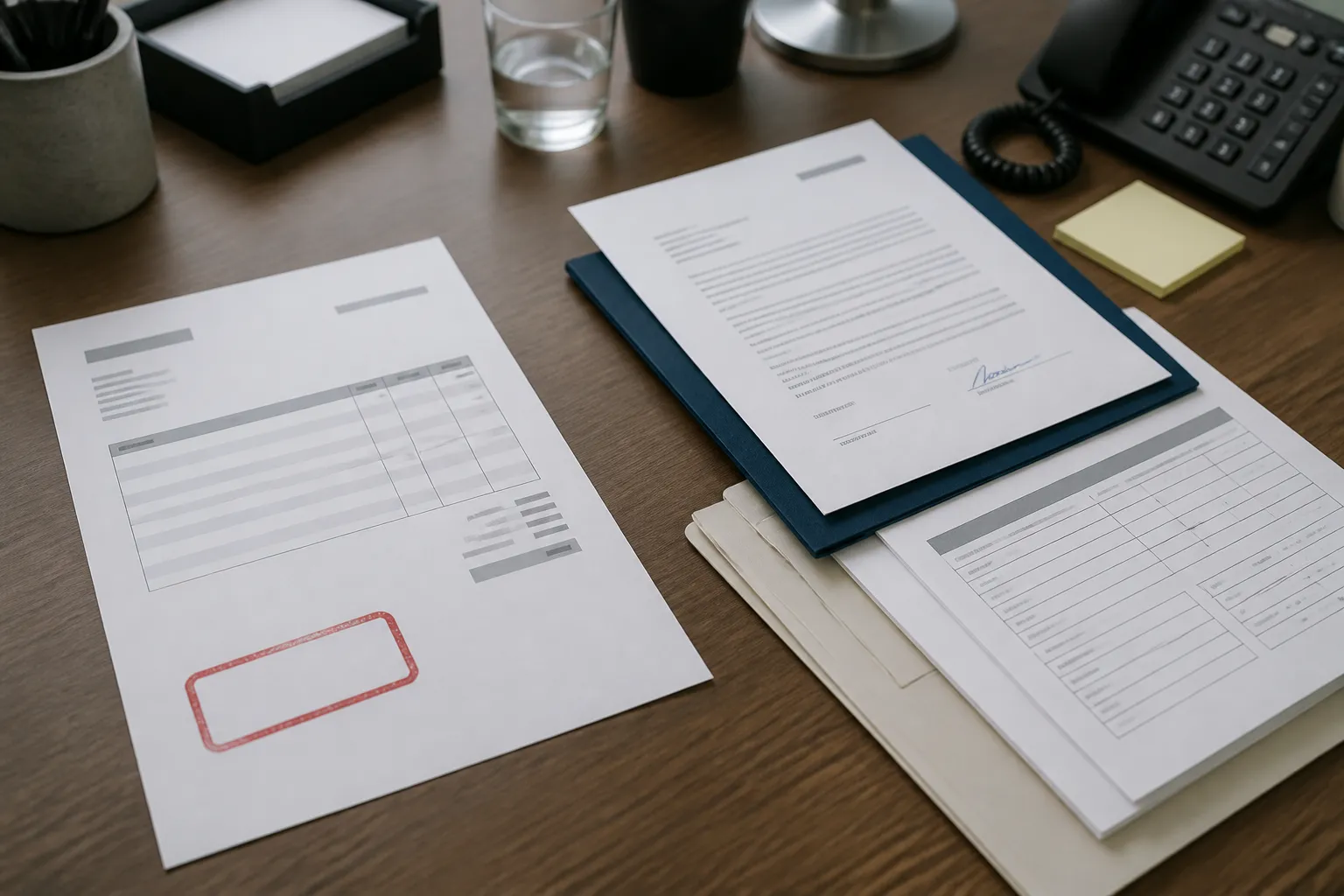
What invoice fraud and payment diversion look like
Invoice fraud is simple. Criminals get you to pay a fake bill, or to send a genuine payment to an account they control instead of the real supplier's. The goal is redirection, so the request is dressed as ordinary business. Nothing flashy. Just a PDF and a deadline.
Many of these start with email. A criminal hacks a supplier's inbox, or registers an address that differs from the real one by a single letter. The invoice then arrives from what looks like your regular contact. Scammers also pose as businesses you dealt with recently, which makes a sudden request for new bank details feel routine. UK authorities group this with CEO fraud and salary diversion fraud and call it one of the most damaging threats to business finances.
How directory scams work
A directory scam usually opens with a phone call. The caller claims to represent a business directory, real or invented, and asks you to confirm your name, address and phone number. Sometimes they read the details back to you so staff just say yes. Easy yes. Costly yes.
Then an invoice shows up for a listing or renewal nobody ordered. Some callers record the call and splice it to suggest you agreed. The BBB describes these invoices as typically running to several hundred dollars. That is low enough that a busy office may pay without a second look, which is the whole business model. Unordered office supplies follow a similar script: someone confirms your address, then goods arrive with a bill, sometimes from a caller pretending to be your usual supplier.
What the losses look like, and what the figures do not tell you
The numbers can be big. In September 2025, UK victims of invoice fraud lost £3,908,086 across 83 reported cases, more than £47,000 per case. Invoice fraud made up 85% of payment diversion losses that month. In Australia, reported losses to payment redirection scams hit AU$16.2 million in the prior year. Reports fell 28%, yet the total lost rose 3%. Fewer reports did not mean less harm.
Now the caveat. Those figures come from the UK and Australia. The sources here give no US cost ranges for directory listings or invoice-fraud losses, and real costs vary by state and by type of business. Treat the figures as a sense of scale, not a forecast. For US directory scams, the BBB's "several hundred dollars" per invoice is the best figure available.
Checks to make before you pay
Start with the phone. Call the supplier on a number you already have on file, never one printed in the message. Do the same when anyone asks you to change bank details, and confirm both the old and new account details. Some organizations add a sign-off step and a waiting period, often 14 or 30 days, before approving a new supplier account or a changed payment instruction.
Then check your own records. Did anyone here order this? A bill with no purchase order, contract or approval behind it should stop at the desk. Finally, research the company. Look for an online presence outside the invoice, a history in the marketplace and a physical address. A directory that exists only on the bill you are holding is not a directory.
- Match every invoice to an order or contract.
- Use known phone numbers, not the ones in the email.
- Require a second person to approve bank-detail changes.
Red flags and questions to ask
Watch for invoices for a listing or renewal nobody agreed to, urgent payment demands, and any change of bank details, especially near holidays, deadlines or year-end. Check the sender's address letter by letter. One swapped character is enough. Pressure on a first call is a warning too. You are entitled to say you need time to review.
Questions worth asking:
- Is this a genuine supplier or directory, and can I confirm that through a number I already hold?
- Did we order this?
- Has anything about the bank details, invoice or contact changed?
- Do our supplier contracts require a recognized security standard, such as Cyber Essentials in the UK?
Also remember that social media ads are not always vetted. An offer there can look legitimate without anyone having checked it. Treat it like any other unsolicited pitch.
Limits of this guidance
The sources lean on UK, Canadian and Australian agencies, plus general US guidance. They do not cover state-by-state billing rules, and they say little about getting money back. If you already paid a suspicious invoice, contact your bank promptly and report it to the fraud or consumer protection body in your country or state. A qualified professional can help with the rest.
For US small businesses, the FTC publishes a guide to small-business scams and a consumer alert on paying bills, not scammers. The BBB also has a tip sheet on directory scams. Read them before the next invoice lands.
Please seek a professional. This article is general information, not financial, tax or insurance advice. Please seek a licensed financial, tax or insurance professional about your own situation.
Sources
- Run a small business? Pay your bills, not scammers | Consumer Advice
- Scams and Your Small Business: A Guide for Business | Federal Trade Commission
- NCA and NatWest launch campaign to protect against Invoice Fraud in business - National Crime Agency
- Protect your business - Stop! Think Fraud
- ACCC Warns Consumers of Fake Business Invoice Scams - Consumers' Federation of Australia
- False billing
- The Little Black Book of Scams
- BBB Tip: Directory scams fool businesses into fake listings
Still have a question?
Related guides
-

Is That Professional Certification Worth Paying For? Test It Before You Spend a Dollar
Job postings, an independent issuer, and written renewal terms separate credentials that pay off from expensive decoration.By Dolores Kinnane
-

Choosing a Managed IT Provider Without Trusting Blindly
Before you sign, make the provider show what it watches, who acts when something breaks, and who pays when it fails. By Imogen Tarrant
-

What Managed IT Really Costs a Small Business, and Where the Guides Get Vague
Per-user rates look tidy in the headline, but onboarding fees, out-of-scope labor and the provider-written sources behind them tell a messier story. By AnselmRoarke