What a Commercial Pest Control Contract Should Actually Promise
A visit schedule and a price tell you little, so check whether the proposal describes how the company finds, monitors and prevents pests.
 By AnselmRoarke ·
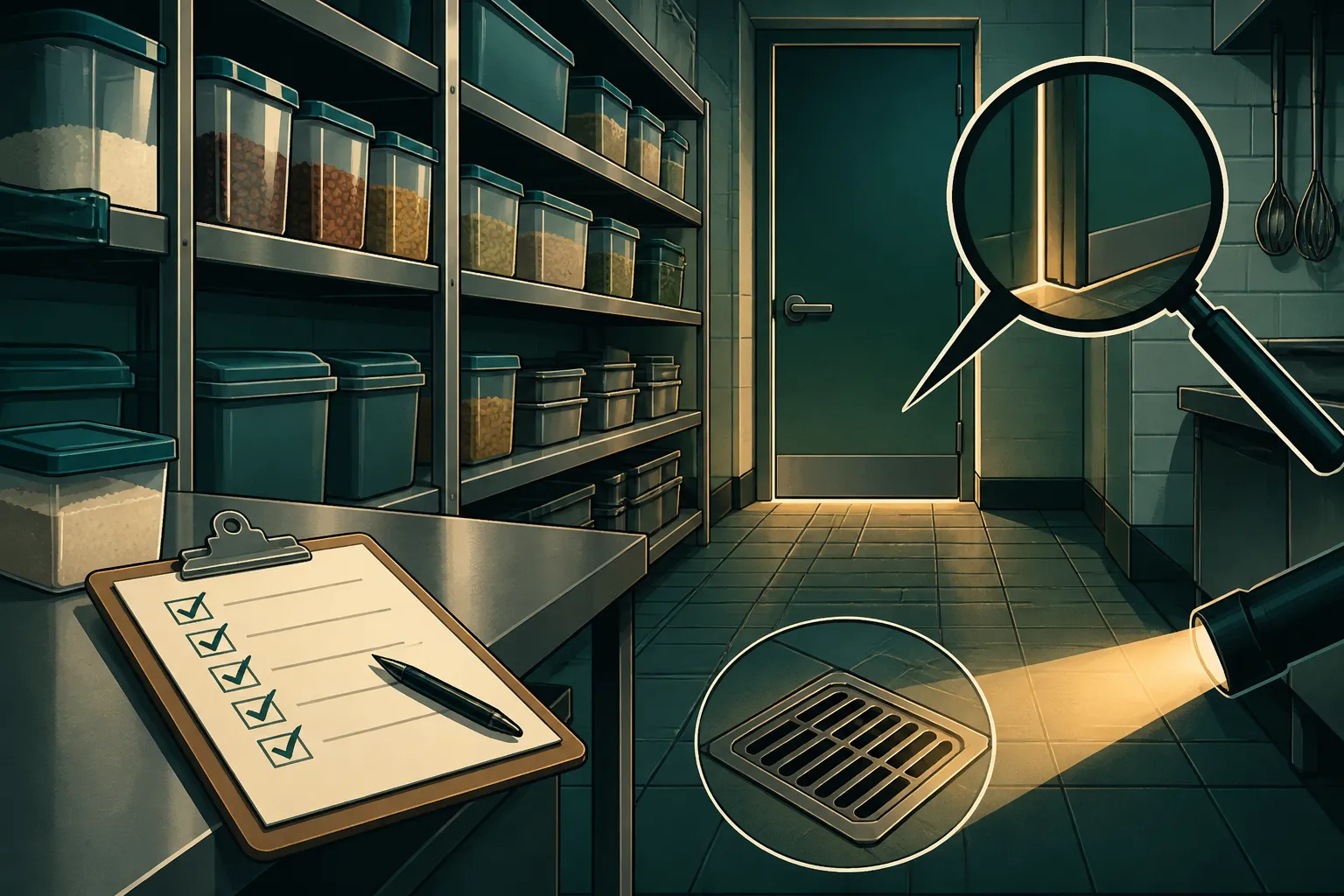
Verdict first: a good commercial pest control contract describes how a company finds and prevents pests, not how often a truck shows up. If the proposal is mostly a visit schedule and a price, you are buying a ritual. The food code asks for more than that, and so should you. This is general information, not legal, financial or medical advice, so have a licensed professional look over anything you sign.
What the food code expects from a pest control provider
The FDA Food Code is a federal model code. State and local regulators adapt it for restaurants, grocery stores and institutions. The 2026 edition is the latest full one, and the FDA has moved to a four-year gap between full editions, with supplements in between. Your local health department decides which version actually binds you. Call them before you assume anything.
Section 6-501.111 says the premises shall be maintained free of insects, rodents and other pests. The verb is eliminate, not minimize. That matters, because a plan sold as keeping pest counts low is promising less than the code asks. The section also calls for routine inspection of incoming food and supplies, routine inspection of the premises for signs of pests, control methods when pests turn up, and removal of the conditions that let them hide and breed.
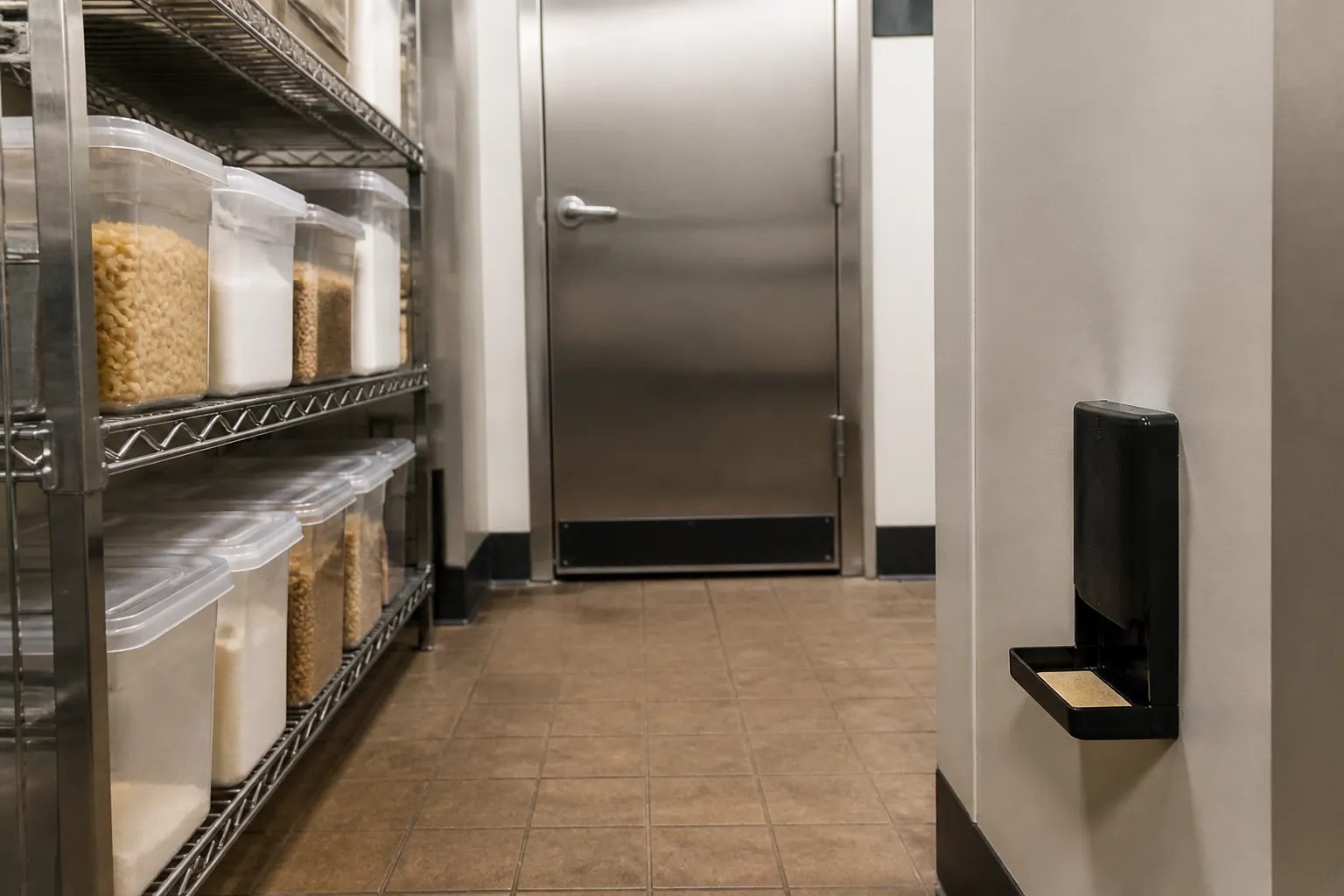
Section 6-202.13 covers insect control devices, such as light traps. They cannot hang over a food prep area, and dead insects or fragments cannot fall onto exposed food, clean equipment, utensils, linens or unwrapped single-service items. A vendor who bolts one up wherever the wall is empty has handed you a violation. Ask how placement is decided.
How integrated pest management shapes a good contract
Integrated Pest Management, or IPM, is the EPA's term for an approach that uses what is known about pest life cycles to manage pests by the most economical means, with the least hazard to people, property and the environment. The EPA says it applies to workplaces, which covers your kitchen or sales floor.
IPM is not a product. It is a series of evaluations, decisions and controls. Step one is setting an action threshold, the point where pest activity or conditions call for action. One pest sighting does not always mean treatment. Step two is monitoring and identifying what you have, since not every organism needs control and some are beneficial. The EPA describes four steps. The material I reviewed shows only the first two, so make any provider explain the rest in plain words.
When you read a proposal, look for three things: how thresholds are set, what monitoring happens between visits, and how species are identified. Also look for written records of findings and actions. An inspector will ask for them. A contract that promises regular spraying and says nothing on monitoring is a different model, and not the one the EPA describes.
What independent accreditation can and cannot tell you
QualityPro is a national accreditation program for pest management companies. Members must meet 18 standards, and the program says fewer than 3 percent of US companies have earned it. Scarcity is not quality, though. Treat the badge as one signal, then check the company's record with your state regulator.
The standards include background checks, interviews, reference checks and motor vehicle record checks where permitted, plus a drug-free workplace policy. Accredited firms also need minimum insurance, an IPM approach, proper pesticide handling, periodic audits, a customer communications policy, and a termite warranty or service agreement that meets program rules. The sources do not state the insurance amounts. Request the certificate and read the limits yourself.
To qualify, a company needs two years in business or a one-time application fee, and the application window is six months. So ask how long a provider has operated. Then look the company up in the program's own directory instead of trusting a logo on a proposal. The directory listing may not show company-level detail, so it will not settle every question.
Questions to ask and warning signs to notice
Start with IPM. Ask whether the company follows it and how it sets action thresholds before treating. Ask how it monitors and identifies pests before recommending anything. A good answer names steps and records. A bad one brags about response speed.
Then get specific:
- How will you inspect incoming shipments and the premises, and how will you record findings?
- Who installs and maintains insect control devices, and how do you keep them clear of prep areas?
- How are technicians screened and trained?
- Can I have proof of insurance in writing before I sign?
- If termites are a risk, what does your warranty or service agreement cover?
The sources do not list formal red flags, but several follow from the standards above. No IPM approach is one. No proof of insurance is another, and so is no written pesticide handling policy. Treating every sighting as an emergency, with no threshold or monitoring, works against IPM and happens to generate more billable visits. A stated goal of merely reducing pests does not match the wording of Section 6-501.111.
What this guide does not cover
Price, mostly. The sources I reviewed give no US cost ranges for commercial pest control, and I will not invent them. Cost varies by state, building size, pest type and service level. Get several written quotes and compare what each includes: inspections, monitoring, follow-up visits, and any termite work. The cheapest quote often leaves out exactly those items.
Contract terms are also outside the material. That means cancellation rights, renewal and termination language, and emergency response times. These are where a contract bites back, so read them slowly and ask a qualified attorney to review any binding agreement. Pesticide licensing rules and how inspectors enforce the Food Code differ by state and locality, so confirm them with your health and agriculture agencies.
Where to read the sources
The primary material is short enough to read yourself. The FDA Food Code page explains the model code and its edition schedule. The EPA's IPM principles lay out the threshold and monitoring steps. For accreditation, see the QualityPro standards and the program's directory. Bring those questions to every bidder and compare the answers, not the brochures.
Please seek a professional. This article is general information, not legal advice. Please seek a licensed attorney in your state about your own situation.
Sources
- FDA Food Code | FDA
- FDA Food Code 2022 — Pest Control in Healthcare Food Service | Healthcare Pest Reference
- Integrated Pest Management (IPM) Principles | US EPA
- QualityPro | Pest Management Industry Accreditation
- QualityPro Accreditation | US Pest Management Standards
- Choosing a QualityPro Accredited Company
- https://vertexaisearch.cloud.google.com/grounding-api-redirect/AUZIYQFmh2B2ZwsRbC2WIzR1s4geymrja6xYbnfX2vgu5RC3h1bltoO59sTMH7VAhE-PaImjmQ9IYqm1BgJRi_daHBo5ysqR5mVpcE5i29hTazHk_ZM4vVdOt6dBc4mxMl0WxzeI2L0YzKrha6WbCw8EpHl4wJVJjwUdsem7OdseSdtXQpRsX4ymL8yo
- Find a Pro
Still have a question?
Related guides
-

Is That Professional Certification Worth Paying For? Test It Before You Spend a Dollar
Job postings, an independent issuer, and written renewal terms separate credentials that pay off from expensive decoration. By Dolores Kinnane
-

Choosing a Managed IT Provider Without Trusting Blindly
Before you sign, make the provider show what it watches, who acts when something breaks, and who pays when it fails. By Imogen Tarrant
-

What Managed IT Really Costs a Small Business, and Where the Guides Get Vague
Per-user rates look tidy in the headline, but onboarding fees, out-of-scope labor and the provider-written sources behind them tell a messier story.By AnselmRoarke