Medicare and Dental Care: What Your Card Does and Doesn't Cover
Original Medicare pays for dental care only in narrow, medically linked cases, so checking coverage before treatment can save you from an unpleasant surprise.
 By Priya Ranganathan ·
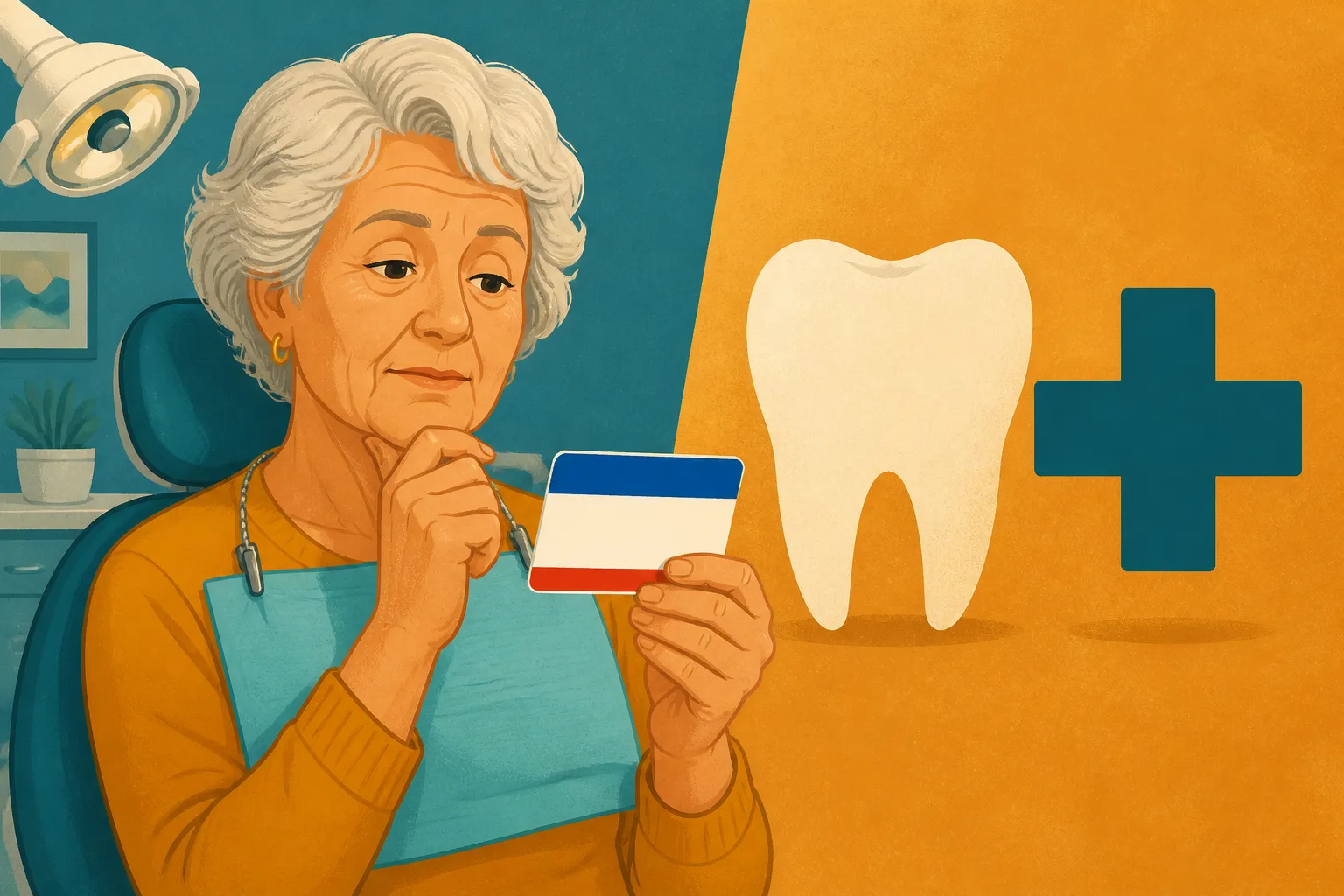
Picture a neighbor named Ruth. She turns 65, signs up for Medicare, and a few months later a molar cracks. She calls the dentist, expecting her new card to cover it. It doesn't. Stories like hers are common, and they are the reason this guide exists. What follows is general information, not personal medical, legal or financial advice, so please check details with a licensed professional or Medicare itself.
What Original Medicare Covers for Dental Care
Original Medicare generally does not cover routine dental care. That means cleanings, fillings, tooth extractions, dentures and implants are usually paid for by you, unless some other insurance or program steps in. Medicare's own pages say so plainly, and they are a good first stop for confirming how this applies to you (Medicare, what's not covered).
There are exceptions, and they tend to share one feature. The dental service has to be tied to a covered medical treatment. Medicare may pay for an oral exam before a heart valve replacement, or before a bone marrow, organ or kidney transplant. It may also cover treatment of a mouth infection before cancer treatment such as chemotherapy, and care for complications during head and neck cancer treatment. Dental or oral exams and infection treatment before and during Medicare-covered dialysis for End-Stage Renal Disease can qualify too (Medicare, dental service coverage).
One more case is worth knowing. Some dental services are covered when you are admitted to the hospital as an inpatient, either because of an underlying medical condition or because the procedure itself is serious enough to need a hospital setting.

How Costs Work When Medicare Pays
When a dental service qualifies under Part B, you generally pay 20% of the Medicare-approved amount after you meet the Part B deductible. If the care happens in an outpatient hospital or another facility, you may also owe that facility a copayment. I could not find the 2026 Part B deductible in the sources I reviewed, so check Medicare for the current figure.
If a covered dental-related hospital stay is involved, Part A rules apply. For 2026, the Part A deductible is $1,736 for days 1 through 60. Days 61 to 90 cost $434 per day. Days 91 to 150 cost $868 per day while using lifetime reserve days, and after that you pay all costs. Ask the hospital and your plan how these charges would apply to your case.
Anything not covered is yours to pay in full. Your actual bill depends on other insurance you have, what the provider charges, whether the provider accepts assignment, the type of facility, and where you live. I also have no dependable dollar ranges for cleanings, fillings, dentures or implants. They vary a lot by state and by how complex the work is. So get a written estimate from each provider before you agree to treatment.
Medicare Advantage, Cost Plans, and PACE
Some people look beyond Original Medicare. Medicare Advantage (Part C), Medicare Cost Plans and PACE plans may include extra benefits, such as certain dental services. Whether they do depends on the specific plan and where you live.
KFF's analysis of Medicare Advantage dental benefits found a few patterns. Plans often set an annual dollar cap on dental coverage. Preventive care is often covered without cost sharing, but still within that yearly limit. Some people pay a separate premium for dental coverage (KFF, a closer look). Many plans also favor in-network dentists and charge more for out-of-network care.
That last point matters more than it sounds. A generous benefit does little good if your longtime dentist isn't in the network. One caution: that KFF analysis dates from 2021, so it describes patterns, not this year's offerings. Read each plan's current Evidence of Coverage and provider directory before you enroll.
How to Choose and What to Ask
Start with a simple list of the dental care you think you need, now and over the next year or two. Then sort it. Is any of it linked to a medical treatment Medicare covers? If not, you would need a plan with dental benefits, or a plan to pay out of pocket.
When you compare plans, look at these things:
- The annual dental dollar cap.
- Any separate dental premium.
- Whether preventive care carries cost sharing.
- Whether you must use in-network dentists, and whether yours is one.
At the dentist's or doctor's office, a few plain questions go a long way. How much will this test, item or service cost? Why do you recommend it? What will Medicare, or my plan, actually cover? If you have an Advantage or similar plan, ask whether the specific service is covered and whether the provider is in network. Medicare's website also has a tool for finding providers near you who accept Medicare. Use it alongside each plan's directory, since listings change.
Red Flags and Gaps to Research
Be a little wary if a provider recommends services Medicare doesn't cover, or recommends them more often than seems necessary. That can leave you with surprise costs. You are allowed to ask for the clinical reason and a written estimate, and a good office won't mind.
Some questions fall outside what I could verify. The sources did not explain Medigap (Medicare Supplement) policies or whether any include dental, so read a policy's benefit summary directly. They also did not cover Medicaid or state programs that may help with dental costs. If your income is limited, your state Medicaid office or state senior health assistance program is a sensible place to ask. Finally, they did not explain appeals. If a claim is denied, ask the plan for the specific reason in writing, then look at the appeal steps in your plan documents or on Medicare's website.
Ruth, by the way, ended up sorting it out with a few phone calls and a written estimate in hand. It took patience, not luck. A licensed insurance counselor or your state's health insurance assistance program can walk you through your own situation.
Please seek a professional. This article is general information, not medical advice. Please seek a doctor or other qualified health professional about your own situation. In an emergency, call 911 or your local emergency number.
Sources
- Dental service coverage
- What's not covered? | Medicare
- Medicare Dental Coverage | CMS
- Coverage of Dental Services in Traditional Medicare | KFF
- Oral Health - Research and Data from KFF
- Medicare and Dental Coverage: A Closer Look | KFF
- Is Dental Covered Under Medicare?
- Does Medicare Cover Routine Dental Care or Exams?
Still have a question?
Related guides
-

Clear Aligners Without the Hype: What to Check Before You Start
Mail-order trays look simple, but the FDA says safe treatment still depends on in-person supervision by a licensed dental professional.By Priya Ranganathan
-

Save the Tooth or Pull It? A Careful Look at the Choice
Root canals and extractions differ in more than the first price you hear, so it helps to compare the full path, the recovery and the questions worth asking your dentist. By Lorraine Whitcombe
-

Dentures or Implants: How to Weigh the Choice
A plain-language guide to how conventional and implant-supported dentures differ in comfort, upkeep and cost, with the questions to bring to your dentist.By Priya Ranganathan