Sealants for Growing Molars: What Parents Should Know About Cost and Care
A practical, unhurried look at what sealants cost, how they protect back teeth, and the questions worth asking before a child's first permanent molars get treated.
 By Walter Pemberton ·

Picture a first grader at the kitchen table, tongue poking around her mouth, proudly announcing she has a new big tooth in the back. That tooth is a permanent molar, and it will have to last her a lifetime. Many parents wonder about dental sealants around this moment. What do they cost? Do they really help? This guide walks through the answers in plain terms. It is general information only, so please check specifics with a licensed dentist and your own plan.
What a sealant costs and what affects the price
Without dental insurance, one source puts a sealant at about $34 to $65 per tooth. It gives an example average of roughly $49 per tooth in Orlando, Florida. Treat those numbers as a starting point, not a quote. Prices shift by state, city, provider, and the material used, and they can differ for a child and an adult.
Material is worth a question. Sealants are made of plastic or resin, and the choice can change the bill. A friendly way to ask is, "Which material do you plan to use, and does it change the price?"
Insurance may soften the cost. Some dental plans count sealants as preventive care, but coverage amounts vary widely. Read the benefit summary before you book, or call the number on your card. A few minutes on the phone is the simplest way to avoid a surprise charge.
There are also free routes. School sealant programs typically offer sealants at no cost to children whose parent or guardian has signed a permission slip.
How sealants work and what the procedure involves
A sealant is a thin coating that bonds into the pits and grooves on the chewing surfaces of back teeth. Those grooves can be deep and narrow, and a toothbrush bristle often cannot reach the bottom. The coating acts like a small barrier, keeping plaque and bits of food out.
The process is generally described as simple and painless, and it does not involve drilling. A dental professional cleans and dries the tooth, paints on the material, and hardens it so it bonds to the enamel. Most children find the waiting harder than the work.
Sealants can last a long time. The CDC notes they prevent up to 80% of cavities for two years and still protect against about 50% for up to four years. Another source says they can stay in the mouth as long as nine years. That does not make a sealant a stand-in for brushing, flossing, and regular checkups. It is one piece of a broader routine.
Are sealants worth it for kids
Timing matters most. First permanent molars usually arrive around age 6, and second molars around age 12. Sealants work best soon after those teeth come in. They can also be placed on baby molars starting around age 2, and the ADA and the American Academy of Pediatric Dentistry recommend them on the chewing surfaces of primary and permanent molars in children and adolescents.
The money side tells a story too. Public health sources report that each sealed tooth in a school program saves more than $11 in later treatment costs. Yet only about 43% of children ages 6 to 11 have a sealant, and low-income children are 20% less likely to have one. School programs exist to close that gap.
Some parents ask about BPA, a chemical found in some dental materials. The ADA says exposure from sealants is very low and brief, and that current evidence shows no health concern. If it still worries you, your dentist is the right person to talk it through with.
A sealant will not guarantee a cavity-free childhood. Still, for a modest price and little discomfort, it adds a real layer of protection during the years molars are most vulnerable.
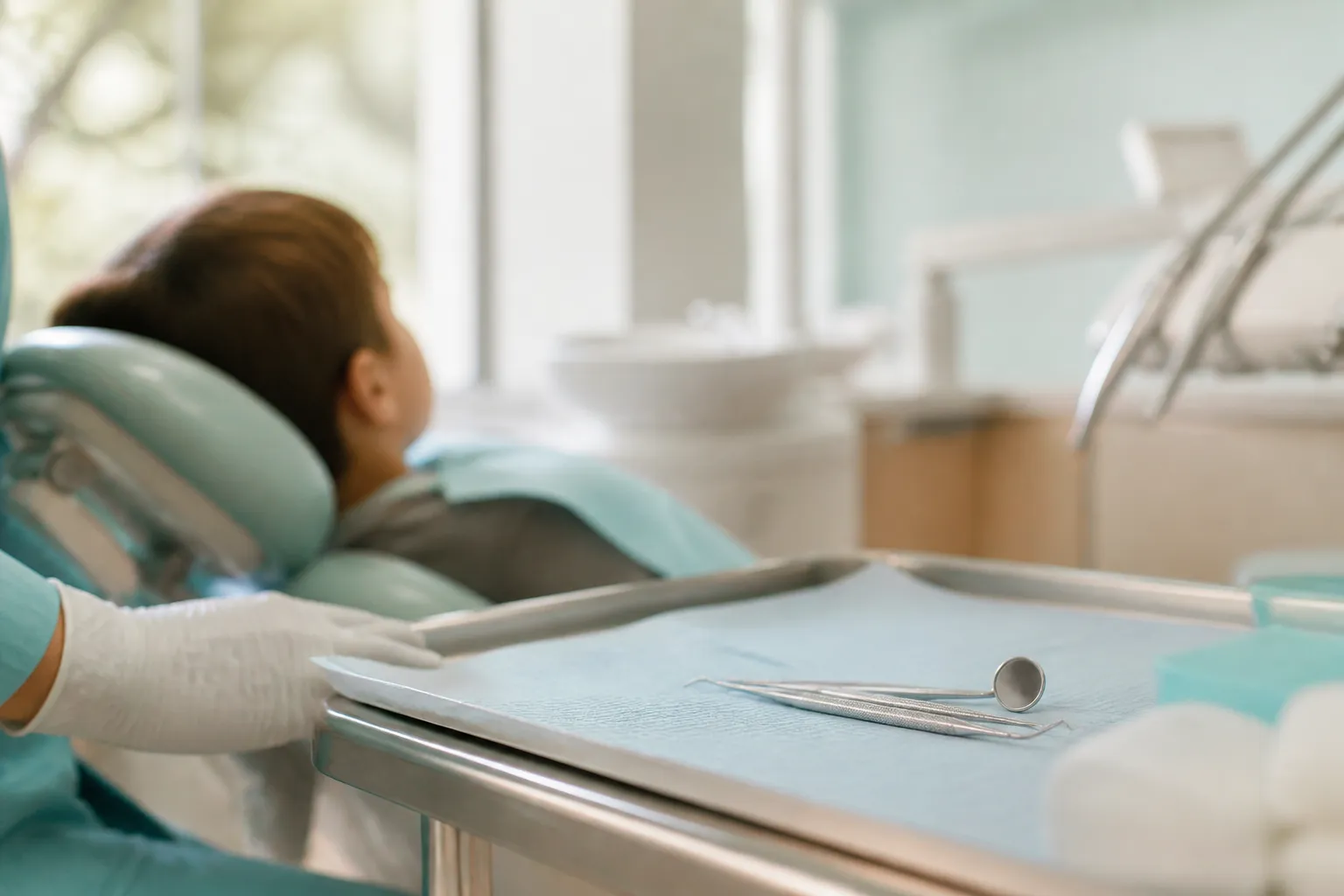
Questions to ask before you agree
Going in with a few questions makes the visit calmer. You might keep these on your phone:
- Does my plan cover sealants, in full or in part, and under which benefit? Preventive is the usual category.
- What is the per-tooth price with and without insurance here?
- Which material is being used, and does it change the cost?
- Do these molars already have decay or fillings? That affects whether a sealant fits.
If your child's school offers a program, confirm that a permission form was signed. Ask too whether you will get a referral if the screening finds something that needs follow-up. A typical program visits for one to three days, with a licensed dental professional screening children, applying sealants where permission is given, and pointing families to a local dentist when needed.
Red flags and information gaps
Do not assume coverage. Sealant benefits differ by plan, and a denial after the fact can be hard to undo. Confirm first.
Be wary of anyone who presents sealants as a replacement for cleanings, home care, or treatment of decay that is already there. Dental sources describe them as one tool within a wider cavity-prevention plan.
Public sources leave some things unclear. They give little on current school-program costs, state-by-state prices, Medicaid or CHIP coverage rules, how to find a local program, what a replacement costs if a sealant comes off, or how often sealants should be rechecked. Your dental office, insurer, or state oral health program can fill in those blanks. For decisions about your own child, a licensed dentist is the best guide.
You can read more at the CDC overview of dental sealants and the CDC page on school sealant programs.
Please seek a professional. This article is general information, not medical advice. Please seek a doctor or other qualified health professional about your own situation. In an emergency, call 911 or your local emergency number.
Sources
- About Dental Sealants | Oral Health | CDC
- School Sealant Programs | Oral Health | CDC
- https://vertexaisearch.cloud.google.com/grounding-api-redirect/AUZIYQHbWQB01IAnS_y7Wvy_4Oo529NruBkx-tjHJ3zS339qXoOVxna6796MJctStdV8FQWPoidkVn9NORwE7JQjT1ojDqiTaAR468xm-qhyDSfANvylR8A0G6mIAnMqyoZEeEfHIvTupf2dXydK2wHi-W0u78usJmYswfcR0oPytiDd0lSheA==
- Dental Sealants | American Dental Association
- https://vertexaisearch.cloud.google.com/grounding-api-redirect/AUZIYQFEzzRPL6Z4J5mg7UdXH2CKZLEITB8dJwb-cOQoIUNyV7xIxD9242gkxJCZtesU4Fl1lw4IyVN6QYE1FkQreskx--rRucj9T7gGUHRFhO40Nt5C0JpWyyybpBY2GKHTc4KeE0V0oVvuCzk-cJlhUdwEtG-3
- Dental Sealants Costs and Coverage | Humana
- Dental Sealants: Cost, Procedure, and Cavity Prevention
- School dental-sealant programs could prevent most cavities, lower treatment costs in vulnerable children | CDC Online Newsroom | CDC
Still have a question?
Related guides
-

Clear Aligners Without the Hype: What to Check Before You Start
Mail-order trays look simple, but the FDA says safe treatment still depends on in-person supervision by a licensed dental professional. By Priya Ranganathan
-

Save the Tooth or Pull It? A Careful Look at the Choice
Root canals and extractions differ in more than the first price you hear, so it helps to compare the full path, the recovery and the questions worth asking your dentist. By Lorraine Whitcombe
-

Dentures or Implants: How to Weigh the Choice
A plain-language guide to how conventional and implant-supported dentures differ in comfort, upkeep and cost, with the questions to bring to your dentist.By Priya Ranganathan