The Stand-In Tooth: What a Temporary Crown or Filling Does, Costs, and Lasts
A temporary restoration holds the tooth steady until the permanent one is ready, but sources are thin on price and lifespan, so ask your dentist directly.
 By Priya Ranganathan ·

Picture a neighbor leaning over the fence, tongue pressed to a tooth that feels oddly smooth and not quite hers. She had a crown started on Tuesday. The permanent one is still being made somewhere else. In the meantime, she is wearing a stand-in, and she wants to know what it cost and how long it can be trusted. Those are fair questions, and the honest answers come with a few gaps.
What a temporary crown or filling is for
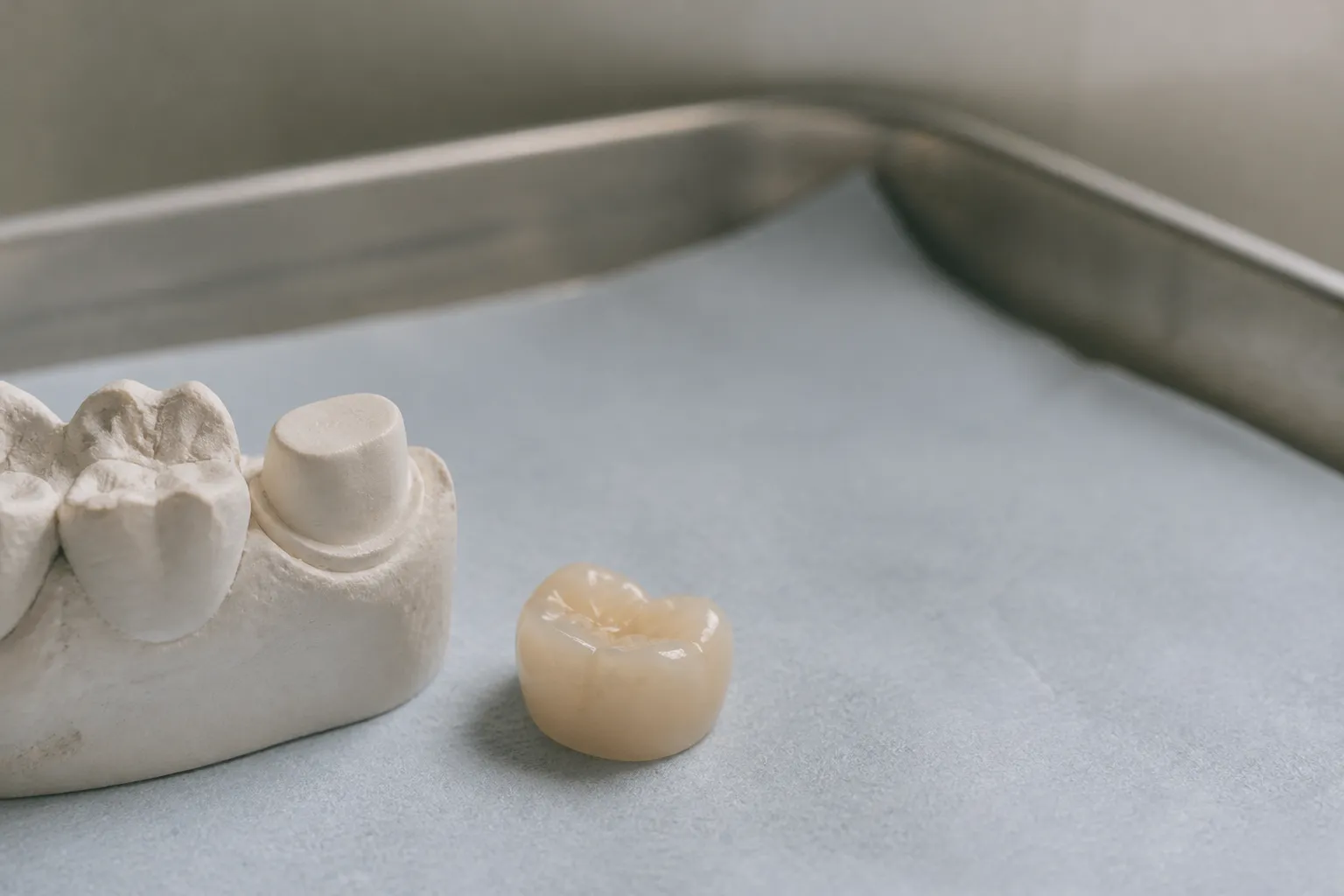
A temporary crown is a tooth-shaped cap that a dentist fixes over a damaged tooth while the permanent crown is being made. It does a few quiet jobs. It acts as a barrier against bacteria. It helps hold the tooth in position so the permanent crown fits when it arrives. And it covers what remains of the visible tooth, so you are not smiling around a stump for a few weeks.
You might get one after a root canal, or when a large filling cannot be held in place. Many dentists can make one right in the office, usually from acrylic or a similar material. It is a practical, humble piece of dentistry.
A temporary filling follows the same idea. It is a short-term material placed in a cavity to seal the tooth until a permanent filling or other treatment can be done. The goal is protection and stability, not durability. One caution: the dental care page I looked at on temporary fillings had almost nothing usable on cost or lifespan, so I will not guess at details it did not give.
What it typically costs in the US
Here is the part that surprised me. Almost no published source lists a price for a temporary crown or a temporary filling on its own. The numbers you will see are for permanent work. One lender-sponsored cost table puts dental crowns at roughly $697 to $1,399 and fillings at roughly $139 to $976, and it notes that real prices vary by location, provider and other factors. Because a lender sponsored that study, I would treat it as a rough reference and not a neutral yardstick.
A temporary is often billed as a smaller piece of the larger crown process, or folded into the crown fee. So it may add little, or it may show up as its own line. I could not verify a dollar range, and I would rather say so than invent one.
What helps is asking for an itemized estimate that lists the temporary and the permanent restoration separately. Prices shift by state and by practice, and cities often cost more than small towns. A complicated case, such as one involving a root canal or heavy tooth preparation, can also change the total. This is general information, not financial advice, so a licensed dental professional and your insurer are the right people to confirm your own numbers.
How long a temporary crown or filling can last
Temporaries are built to last until the permanent work is ready, which is typically a few weeks. They are made of less substantial material, are not cemented as securely as a permanent crown, and may crack or come loose more easily than you would like.
You may read that crowns last five to 15 years. That figure belongs to permanent crowns, depending on material and care. It is not a lifespan for a temporary, and I found no consistent source giving a time limit for temporary crowns or fillings. So ask your dentist how long yours is expected to hold, and what to do if it stops fitting well.
Daily habits matter more than you would think. Hard or sticky foods, tooth grinding and rough cleaning around the area can all loosen it. Follow the instructions you are given on eating and brushing, and the tooth stays steadier while you wait.
Questions to ask and warning signs
A few questions are worth carrying into the chair, or into a phone call beforehand:
- Will I need a temporary, and how long until the permanent one is ready?
- What material is each one made from?
- Is the temporary cemented, or only temporarily fixed, and what could make it come loose?
- What is the total cost for both stages, and what will insurance or financing cover?
Insurance rules for temporary work vary, and the sources I read do not explain them. A direct call to your plan is the only reliable answer. If you are using a financing card, ask what it covers before you sign.
As for warning signs, call the office promptly if the temporary feels loose, cracks, falls off, or brings pain or a change in your bite. A tooth left unprotected can shift, and then the permanent crown may not fit properly, which can mean more treatment. If you have questions about billing or patient rights, your state dental board or a professional dental association is a sensible place to look, though I did not draw on them here. None of this replaces advice from your own licensed dentist, who can see the tooth in question.
Please seek a professional. This article is general information, not medical advice. Please seek a doctor or other qualified health professional about your own situation. In an emergency, call 911 or your local emergency number.
Sources
- Dental Crowns: Types, Procedure & Care
- Caring For Your Temporary Dental Filling | Colgate®
- Temporary crown: Uses, procedure, and cost
- Dental Crowns: Cost, Types, and How Long They Really Last
- How Much Do Dental Crowns Cost? Pricing and Insurance Guide
- Dental Credit Card and Dental Financing Options - CareCredit
Still have a question?
Related guides
-

Clear Aligners Without the Hype: What to Check Before You Start
Mail-order trays look simple, but the FDA says safe treatment still depends on in-person supervision by a licensed dental professional.By Priya Ranganathan
-

Save the Tooth or Pull It? A Careful Look at the Choice
Root canals and extractions differ in more than the first price you hear, so it helps to compare the full path, the recovery and the questions worth asking your dentist. By Lorraine Whitcombe
-

Dentures or Implants: How to Weigh the Choice
A plain-language guide to how conventional and implant-supported dentures differ in comfort, upkeep and cost, with the questions to bring to your dentist.By Priya Ranganathan