What a Dental Cleaning Really Costs Without Insurance
A quote for the cleaning alone can leave out the exam, the X-rays, and any treatment the hygienist finds, so it helps to ask for the whole visit in writing before you book.
 By Priya Ranganathan ·
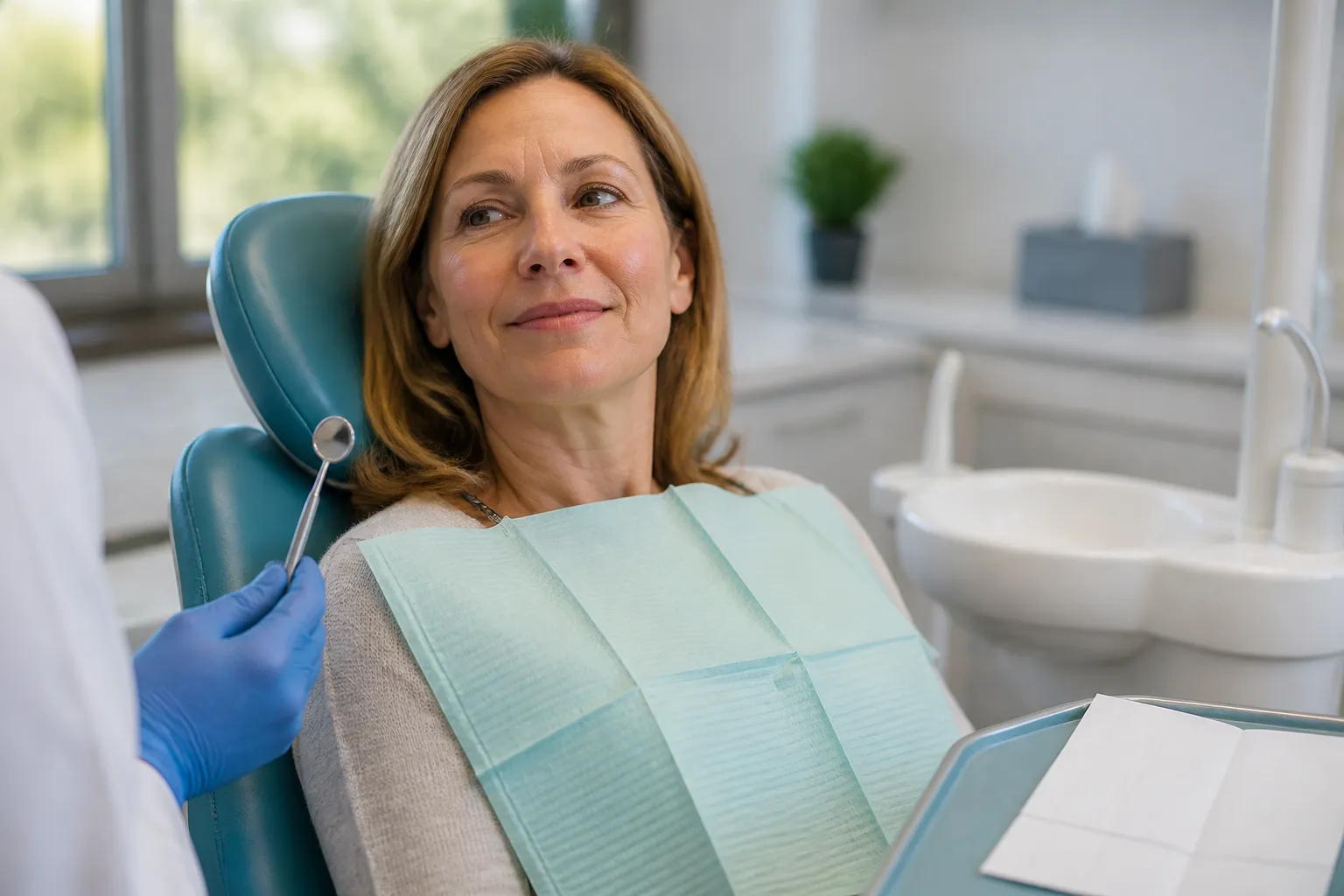
A neighbor of mine put off her dental cleaning for almost three years. Nothing hurt, her insurance had lapsed, and the price felt like a guess she did not want to make. When she finally called around, the first office quoted her a number that sounded fine. The bill that came later was a good deal bigger. Her story is common, and it is mostly a story about what a quote does and does not include.
What a routine cleaning usually costs without insurance
For someone paying out of pocket, a routine cleaning most often lands between $75 and $200. National averages are often cited around $104 to $125. These numbers come mainly from dental practice and consumer websites, not from a government or regulator, so treat them as rough benchmarks. Prices shift by state, by city, and from one office to the next.
The word to know is prophylaxis. That is the formal name for a cleaning meant for someone whose gums are generally healthy. The fee for it may not include the dentist's exam, X-rays, or any treatment if gum disease turns up. So a quote for the cleaning alone may cover only part of the appointment.
Children's cleanings are often priced a little differently, with one commonly cited range of $75 to $150. Adults who have not been in for a long while may be quoted more, depending on how the office handles it.
How the total visit adds up
Once the exam and X-rays are counted, a full routine visit is commonly estimated at $150 to $400. Sources do not agree exactly. Some say $150 to $300, others $150 to $350, and one goes up to $500. Because offices often bill each piece separately, the total is the number that matters most when you are paying yourself.
A standard exam is often listed at $50 to $150. A standard set of bitewing X-rays runs about $25 to $50. Whether you need X-rays at every visit depends on your history and the dentist's judgment. The sources I reviewed did not settle how often they are necessary, so that is a fair question to ask the office.
A typical appointment includes the exam, X-rays if needed, scaling to remove plaque and tartar, polishing, and some coaching on flossing and rinsing. Most take about 30 to 60 minutes, though your own time may be shorter or longer.
Why the price can change during the visit
This is where my neighbor's bill grew. If the hygienist sees signs of gum disease, a routine cleaning may not be enough. Deeper cleaning is priced differently, often $150 to $400 per quadrant. A full-mouth deep cleaning can reach $600 to $1,400 or more, and it may take several visits.
Several things shape the final figure: how long it has been since your last cleaning, the health of your gums, whether you are a new patient, and any add-ons. One practice publishes a price of $265 for a routine cleaning and exam without insurance, with a note that new patient status, specialized cleanings, or X-rays can change it. Even a posted price comes with fine print.
Ways people reduce the cost
There are a few paths worth a phone call. Some offices give uninsured patients 10 to 20 percent off. Some run in-house membership plans, often $200 to $400 per year. Some offer 0 percent financing. The terms were not fully described in the sources, so ask to see them.
Dental schools and community health centers are often named as lower-cost choices, with one source suggesting savings of 30 to 50 percent. Some clinics use income-based fees, but I found no detail on how those are set, so check directly.
Dental savings plans are another option. Some guides describe a 20 to 60 percent discount off the dentist's usual fee. Check the plan's cost, its limits, and whether your dentist accepts it. Note too that at least one guide earns a commission when people enroll, so its pricing is not independent.
What to ask before you book
Start with the simplest question. Is this quote for the cleaning only, or for the cleaning, exam, and X-rays together? Then ask whether a new patient must have an exam, and whether new X-rays are needed or recent ones can be used.
- What would the bill be if the hygienist recommends deeper cleaning or other treatment?
- Is there a self-pay discount, a membership plan, or financing?
- Can I have the terms in writing?
Watch for a few red flags. One is a quote showing only the cleaning fee, with no total for the visit. Another is a price that climbs after the exam because the gums need more than routine care. Gentle caution is fair here, not alarm, since gum disease is a real finding and not a trick.
Sources suggest that skipping routine cleanings can lead to higher costs later, which fits my neighbor's experience. This is general information, not personal medical or financial advice. A licensed dental professional can speak to your own needs.
A simple way to compare offices
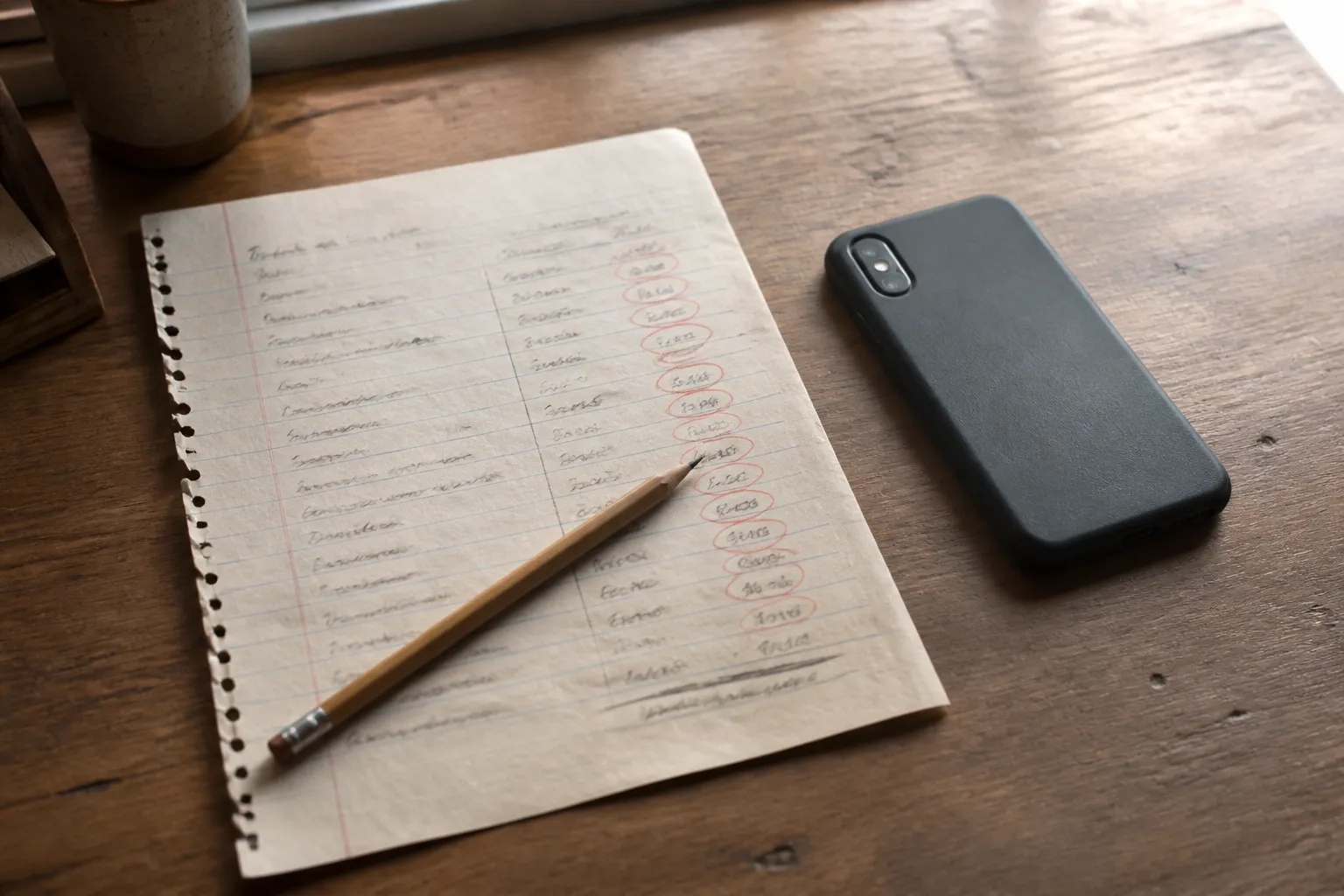
When you call, ask each office for the same thing: the self-pay total for a cleaning, exam, and X-rays. Write the numbers down side by side. Then add any discount, membership, or new-patient special. A membership of a few hundred dollars only makes sense if you expect enough visits to use it, so do that small bit of math before you sign.
My neighbor now keeps a short note by her phone with three prices and the date she called. It is not fancy. But the next time she booked, the bill matched the quote, and she told me that felt like the real savings.
Please seek a professional. This article is general information, not medical advice. Please seek a doctor or other qualified health professional about your own situation. In an emergency, call 911 or your local emergency number.
Sources
- Gerald - Smart Banking for Modern Life
- Professional Teeth Cleaning Cost: A 2026 Price Guide – DentalHealth.com
- How Much Is a Dental Cleaning Without Insurance? 2026 Costs
- How Much Is a Dental Cleaning Cost Without Insurance?
- How Much Does a Dentist Visit Cost Without Insurance? Average 2026 Prices | MySmile Dental Care
- How Much Is a Dental Cleaning Without Insurance? Real Costs and What to Expect in 2026 - Dental Services
- How Much Does Dental Work Cost Without Insurance? (2026 Price Index)
- How much does a routine dental cleaning and exam cost without insurance? | Piedmont Oaks Dental
Still have a question?
Related guides
-

Clear Aligners Without the Hype: What to Check Before You Start
Mail-order trays look simple, but the FDA says safe treatment still depends on in-person supervision by a licensed dental professional.By Priya Ranganathan
-

Save the Tooth or Pull It? A Careful Look at the Choice
Root canals and extractions differ in more than the first price you hear, so it helps to compare the full path, the recovery and the questions worth asking your dentist. By Lorraine Whitcombe
-

Dentures or Implants: How to Weigh the Choice
A plain-language guide to how conventional and implant-supported dentures differ in comfort, upkeep and cost, with the questions to bring to your dentist.By Priya Ranganathan