What a Night Guard Really Costs, and What Your Insurance Might Cover
Prices range from about $15 for a drugstore guard to several hundred dollars from a dentist, and insurance can change the final bill more than most people expect.
 By Priya Ranganathan ·
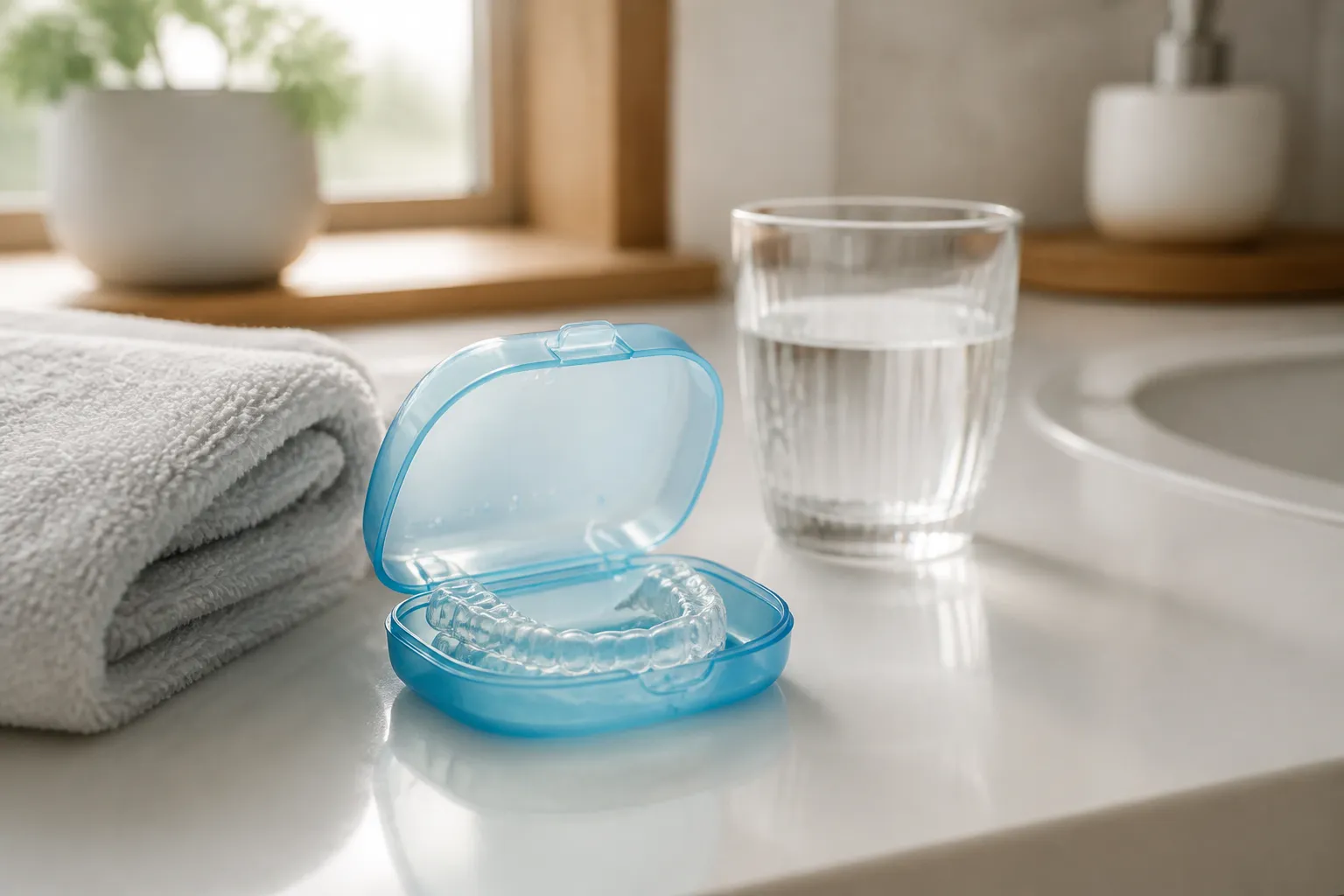
Maybe your partner heard the grinding first. Or maybe you woke up with a sore jaw and a dull ache near your temples, and your dentist noticed flat spots on your back teeth. Either way, a night guard often comes up, and so does the question of what it will cost. Here is a plain look at the numbers, with the usual note that prices vary by state and by practice.
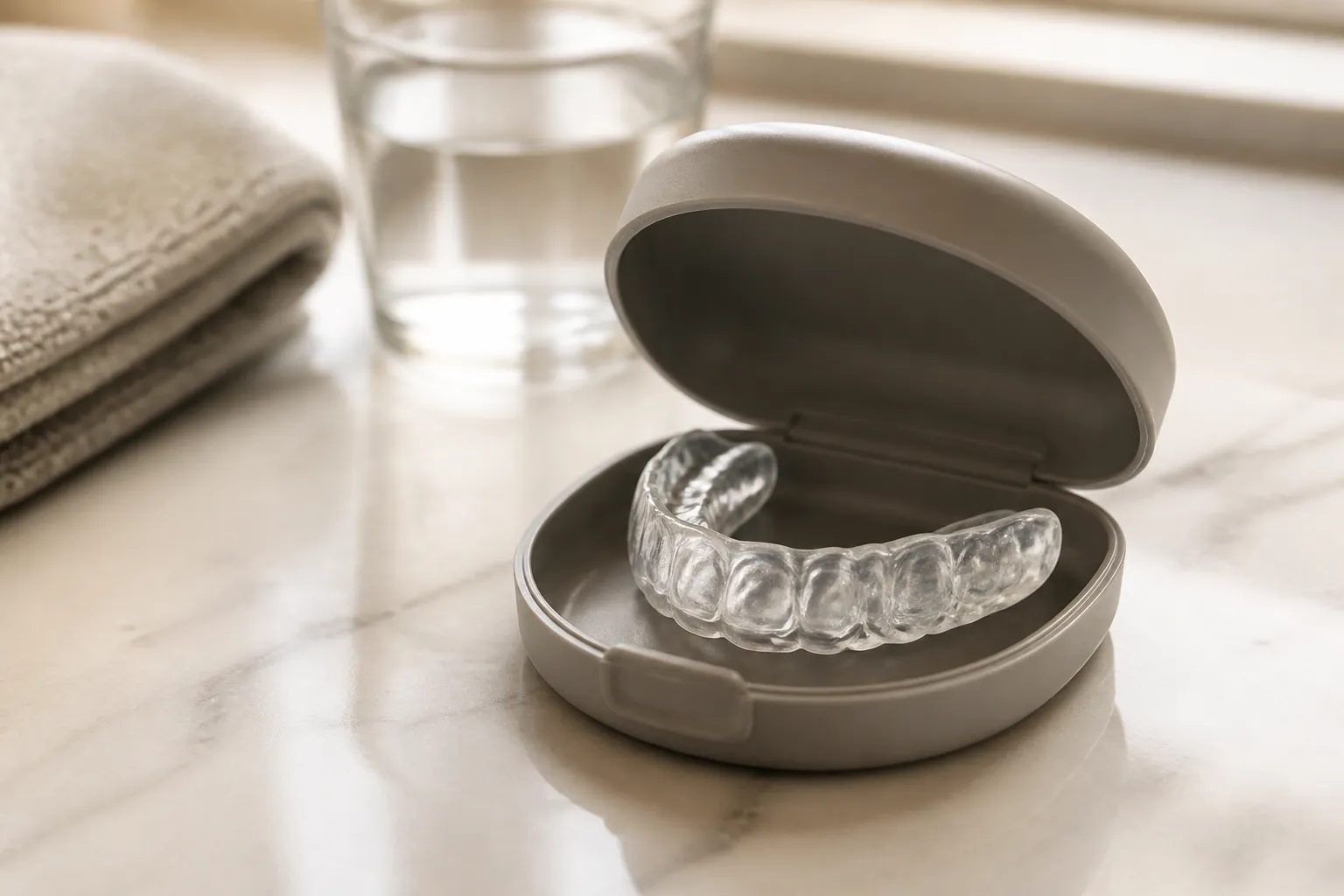
What a night guard is and why people use one
A night guard is a plastic appliance that fits over your upper or lower teeth while you sleep. It keeps the teeth apart so they do not wear each other down when you grind or clench. Most guards fit over the upper teeth, though a dentist may suggest the lower ones instead.
The American Association of Orthodontists says it highly recommends mouthguards for people who grind their teeth at night. Some guards are also used for mild sleep apnea or snoring. In that case, a custom guard can shift the jaw slightly to help keep the airway open. So the reason you need one shapes the type your dentist suggests.
The three types and what each costs
There are three kinds. Stock guards come in small, medium and large, and they are not adjusted to you. Boil-and-bite guards come in one size. You soften them in hot water, let them cool, then bite down so they take the shape of your teeth. Custom guards are made from a mold of your mouth, which can mean a snugger, more comfortable fit.
Drugstore and boil-and-bite guards commonly run about $15 to $50. A custom guard ordered from an online lab often lands around $95 to $235. A dentist-made guard commonly costs $300 to $800 or more. Across all kinds, the AAO puts mouthguard prices anywhere from $20 to $1,000, depending on materials and customization. Most of these figures come from a consumer guide site, so treat them as rough estimates, not quotes.
One caution on the cheapest options. The AAO notes that mass-produced guards may not use sturdy materials. A low price can mean less protection, and a guard that wears out fast may cost more over time.
How dental insurance changes the bill
Some dental plans do cover night guards. A common pattern is about half of the allowed amount after your deductible, with a limit of one guard every one to five years. Others exclude them completely, especially basic plans. It is worth asking before you book.
Even a covered guard can leave you with a real bill. After the deductible, frequency limit and annual maximum, a dentist-made guard may still cost roughly $150 to $400 out of pocket. Night guards are billed under codes D9944, D9945 and D9946, and plans treat them inconsistently. Ask your insurer which code applies to your guard.
If you have an HSA or FSA, a guard for grinding may qualify, whether it comes from a dentist or an online lab. Confirm with your account administrator first.
Choosing between a dentist and an online option
For simple nighttime grinding, an online custom guard is often better value. A dentist-made guard tends to be worth the higher price when there is existing tooth damage, a complicated bite, or a jaw joint (TMJ) condition being treated.
Either way, consider bringing the guard to your appointments. Your dentist can check how it fits and whether it is doing its job. Look it over often, too. Holes, thin spots or cracks mean it is time to talk about a replacement.
Questions to ask before you pay
- Does my plan cover night guards, and what is the frequency limit?
- Which code will be billed, and how does my plan classify it?
- Is this stock, boil-and-bite or custom, and why that type for me?
- Is it meant for grinding, sleep apnea, or both?
- Does the price include fitting visits and adjustments? The sources I read do not say, so get it in writing.
- If I order online, is a prescription or dentist fitting needed first?
This is general information, not medical, legal or financial advice. A licensed dentist can tell you what suits your teeth, and your insurer can tell you what your plan will pay.
Please seek a professional. This article is general information, not medical advice. Please seek a doctor or other qualified health professional about your own situation. In an emergency, call 911 or your local emergency number.
Sources
- How Much Should Mouthguards Cost? | American Association of Orthodontists
- Does Dental Insurance Cover Night Guards? | Humana
- Mouth Guards: Types & Purpose
- Dental Night Guard Cost & Coverage Guide (2026)
- What Are Sports Mouth Guards | Delta Dental
- https://vertexaisearch.cloud.google.com/grounding-api-redirect/AUZIYQHk7vU3VyMuAE5-WnJFrKT5jrFt6gFeogSdEl6oinAnAgq-xs9PDrIBx3ELBKm9T1CERjqM1UorVYgXSC1JW8a57i9PScL8WpfJaEhs9vNSzCOd3iCgFiWXtUF-D6G1HsQegG7c0CjEKSBd-NqHyNSadY0ADOENKzwDFj4qgsAAVkjQkv8RphCpNGXXXdITnq8KNCz-PZw=
Still have a question?
Related guides
-

Clear Aligners Without the Hype: What to Check Before You Start
Mail-order trays look simple, but the FDA says safe treatment still depends on in-person supervision by a licensed dental professional.By Priya Ranganathan
-

Save the Tooth or Pull It? A Careful Look at the Choice
Root canals and extractions differ in more than the first price you hear, so it helps to compare the full path, the recovery and the questions worth asking your dentist. By Lorraine Whitcombe
-

Dentures or Implants: How to Weigh the Choice
A plain-language guide to how conventional and implant-supported dentures differ in comfort, upkeep and cost, with the questions to bring to your dentist.By Priya Ranganathan