Find the Water First: A Practical Guide to Deciding on Mold Testing and Cleanup
Before anyone runs a sample or quotes a job, the moisture source and the size of the visible patch settle most of the decision.
 By Gideon Aldaine ·

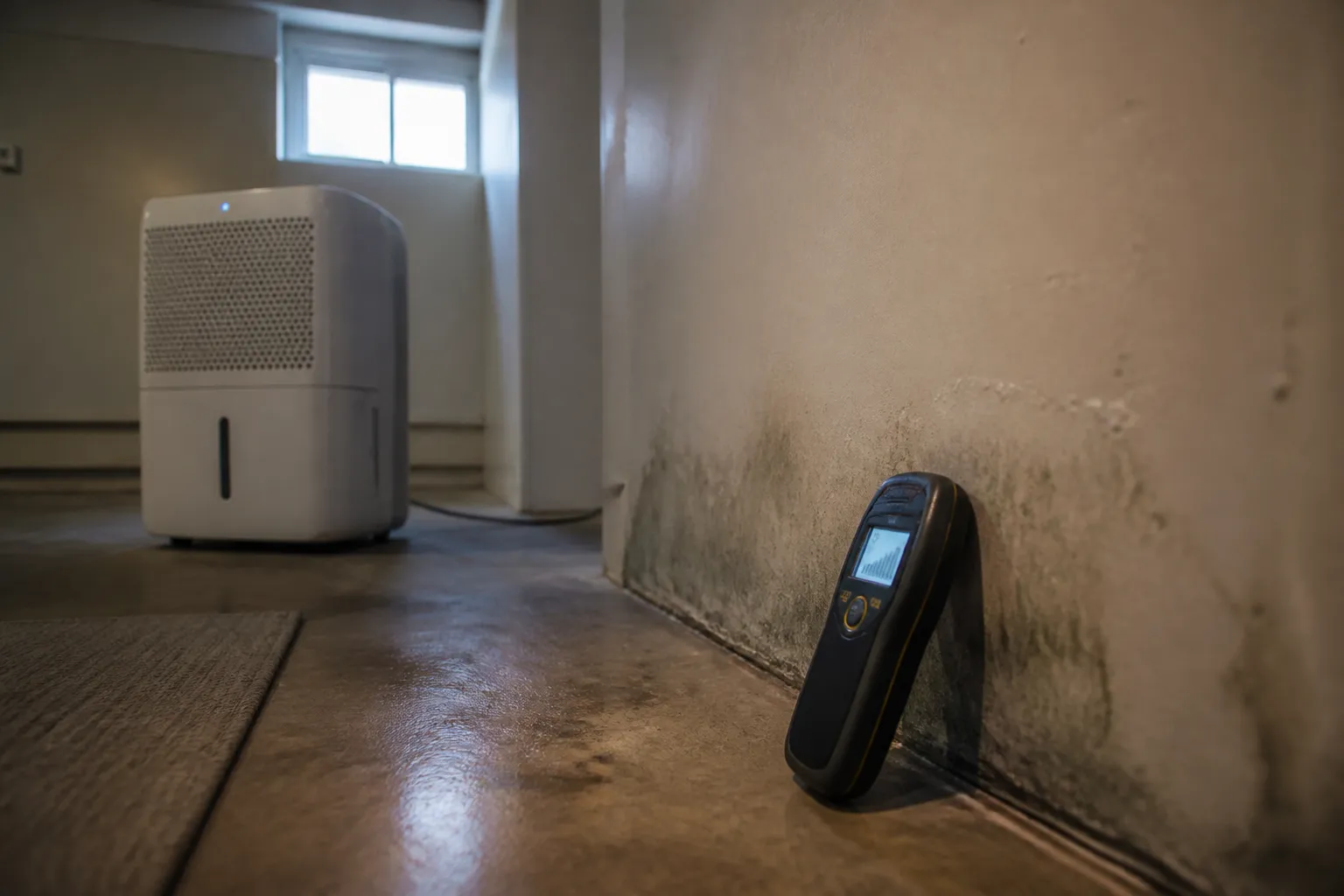
Picture a basement corner. Drywall stained a dull gray-green, a dehumidifier humming nearby, a homeowner with a phone in one hand and three quotes in the other. One quote says test first. One says skip the test. One bundles testing, cleanup, and a coating nobody asked about. That scene plays out a lot, and the first move is usually simpler than the quotes make it look.
Why testing is often unnecessary
EPA guidance says that in most cases, if you can see mold, sampling is not needed. The mold is already the problem. A lab report does not change the plan, it just adds a line on the invoice.
There is another catch. No EPA or other federal limits exist for mold or mold spores. So a sample cannot tell you whether a building meets a federal standard, because there is no standard. There are also no established safe levels to compare against. A test can find mold and still tell you very little.
What matters more is water. Mold grows where moisture sits. Assessment is mostly a visual inspection of spots that have had leaks or water damage, and the key question is where the moisture came from and whether it is still there. Fix the source or the cleanup is just a repeat job waiting to happen.
When sampling can still be useful
Sampling has a place. Surface sampling after cleanup can help show whether an area was adequately cleaned or remediated. That is a specific question about specific work, and a test can speak to it.
Done right, it takes experience. EPA says sampling should be designed and interpreted by professionals who know mold sampling protocols, methods, and how to read results. Analysis should follow methods recommended by bodies like the American Industrial Hygiene Association or the American Conference of Governmental Industrial Hygienists.
Hidden mold calls for care too. Peel wallpaper off a wall and, if mold is growing on the back, you can throw a massive number of spores into the air. Plan the investigation first. Do not just start pulling material off the wall.
Deciding between a do-it-yourself job and professional cleanup
EPA uses a rough size rule. If the moldy patch is under about 10 square feet, roughly 3 feet by 3 feet, most people can handle it themselves. That is a general threshold, not a promise for every house or every person.
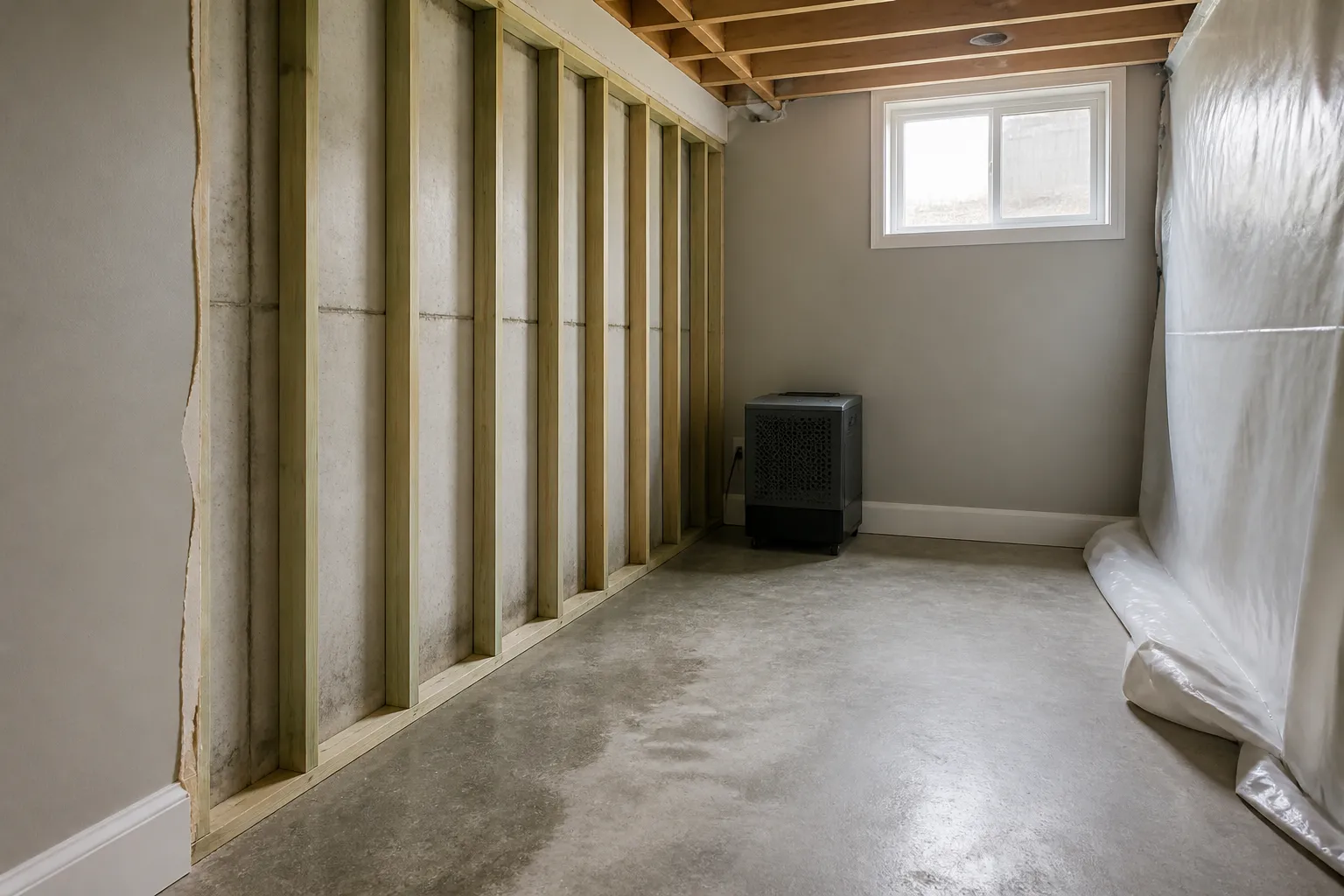
Past that, or after a lot of water damage, EPA points readers to its guide Mold Remediation in Schools and Commercial Buildings. Bigger jobs usually mean a contractor with real mold cleanup experience. Mold also damages what it grows on, and the longer it sits, the more damage it can do. Waiting is not free.
If you suspect the HVAC system is contaminated, stop. Read EPA's guide Should You Have the Air Ducts in Your Home Cleaned? before doing anything else. And do not run the system if you know or suspect contamination, since it can spread mold through the building.
How to choose a qualified professional
Start with what does not exist. EPA does not certify mold inspectors or remediation firms, and it keeps no list of them. Some states do regulate the field, with certification, training, or exams for indoor air quality work. EPA publishes state contacts, so check yours.
Then ask the plain questions. Training, experience with mold specifically, references you can actually call. A certificate on a wall is not a guarantee of good work.
Some water damage inspection companies can help find moisture and know mold. Some radon, lead, or asbestos inspectors also do mold assessment. Multiple services are not a red flag by themselves. Just confirm the person doing the mold work has mold experience.
For cleanup, ask the contractor to follow EPA's Mold Remediation in Schools and Commercial Buildings, or guidelines from ACGIH, the Institute of Inspection, Cleaning and Restoration Certification, or another recognized organization. Get the guideline named in a written plan. Then you have a yardstick for the finished work.
Questions to ask and red flags to watch for
Keep the list short and write the answers down.
- What are your qualifications, training, and experience with mold?
- Will you follow EPA guidance or ACGIH or IICRC guidelines?
- Can I check professional references?
- Which analytical methods do you use for sample analysis?
- Does your sampling plan fit this area and this purpose?
Red flags are just as plain. Be wary of a push to test when mold is already visible. Be wary of any claim that a test proves compliance with federal mold standards, since none exist. Do not treat a state or EPA certification as proof of skill, since EPA certifies no one. And any advice to keep running a possibly contaminated HVAC system is a warning sign.
What it costs, and what these sources do not cover
The EPA sources behind this guide give no dollar figures. Testing and cleanup prices vary widely by state, job size, and how much material has to come out, so any single number you see online should be treated with suspicion. Get several written estimates and compare the scope line by line, not just the bottom number. A cheap quote that skips the moisture source is not cheap.
The sources also do not cover state licensing details, how to check insurance or complaint history, contract terms, how to spot padded add-ons, or whether insurance covers mold damage. For those, check your state contacts and talk with your insurer or a licensed professional. This is general information, not personal medical, legal, or financial advice.
Back in that basement: find the water, see the mold, size the patch. Most of the decision falls out of those three things.
Sources
Still have a question?
Related guides
-

Upgrading to 200 Amps Without the Surprise Bill
Panel costs are only part of the story, so here is what a 200 amp upgrade typically runs, what can get added on, and what to ask before you sign. By Neil Ostrander
-

Tank or Tankless? How to Compare Water Heater Bids on Equal Terms
Learn how tank and tankless units differ, and which details a written plumber's quote should spell out so three bids can be compared fairly. By Renata Okafor
-

When Your Contractor Doesn't Pay, Your House Might Pay Instead
Paying your contractor in full may not close the book on a mechanics lien, so collect the paperwork and confirm the rules in your state before the work starts.By Neil Ostrander