After the Storm, Slow Down Before You Sign
Storm damage draws legitimate repair crews and opportunists alike, so verify licenses, compare written estimates and pay in traceable ways before you hand over money or paperwork.
 By Neil Ostrander ·
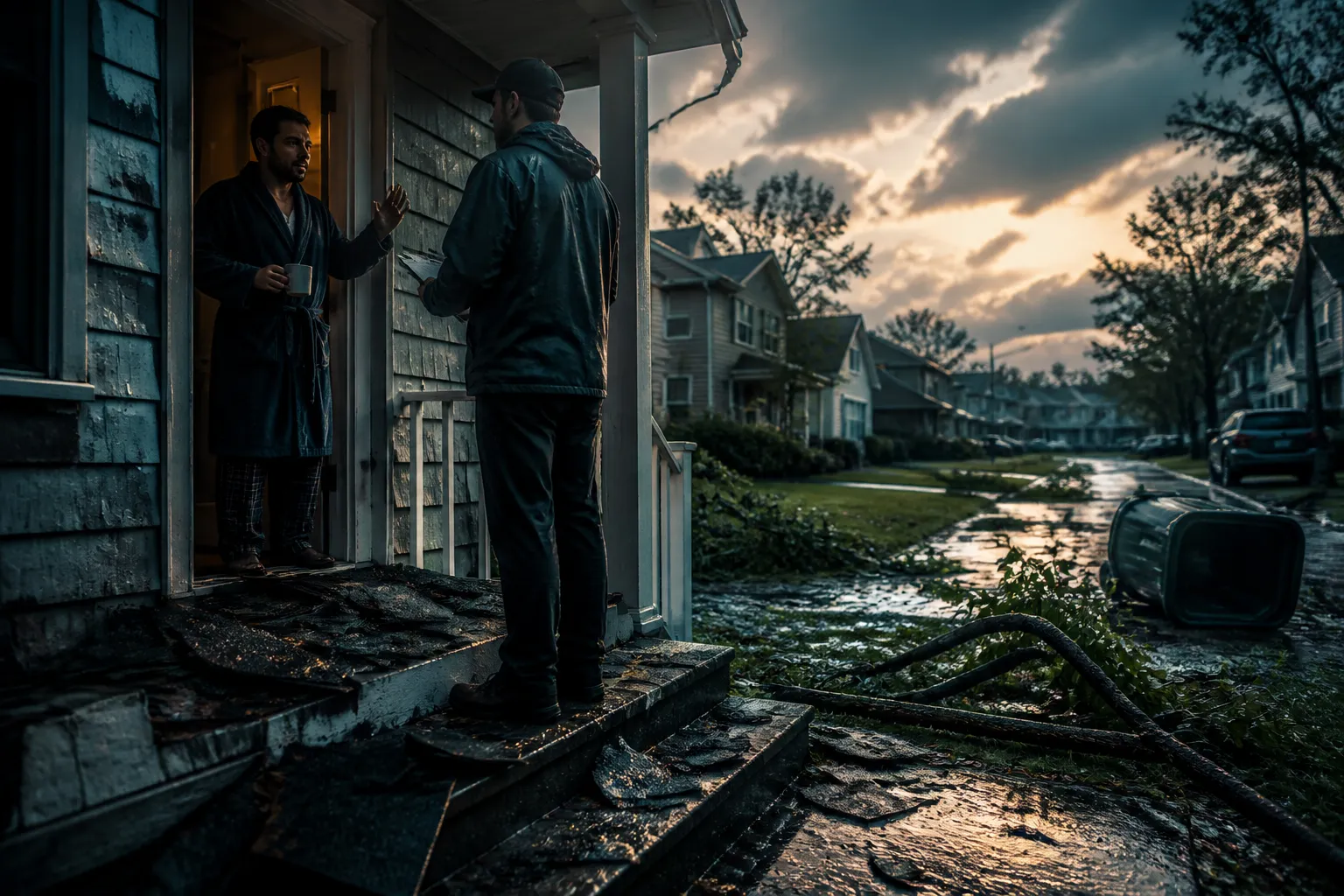
The wind stopped an hour ago. Your yard is full of someone else's shingles, and a stranger is already at the door with a clipboard and a very good deal. Take a breath. You have more time than he says you do.
Why storm damage attracts scams
After severe weather, a lot of people need roof, siding, tree or water damage work at once. They are stressed. Many are watching an insurance deadline. The Federal Trade Commission (FTC) and the Federal Emergency Management Agency (FEMA) both publish warnings about fraud after disasters, because that rush is what dishonest operators count on. Demand spikes, and comparison shopping drops.
Some businesses that appear after a storm are legitimate. Some are not. Showing up fast does not prove anything. Neither does a clean website. The FTC has noted that scammers and dishonest businesses sometimes pay to appear at the top of search results, so a high ranking is not a character reference. You can read the agency's advice on avoiding scams after weather emergencies before you call anyone.
Common red flags to watch for
Keep this list on the fridge, next to the takeout menus you will be using while the kitchen dries out.
- Uninvited door knocks with a hard sell. A contractor who wants a signature or payment right now is telling you something. Honest ones let you read the terms and get other bids.
- Big upfront payments. Be extra wary of cash, gift cards or wire transfers. Many states cap how much a contractor can collect before work starts, so check your state's rule.
- Deductible tricks. Offers to waive your deductible, or to pad the damage on paperwork, can be illegal in many places and can land you in real trouble with your insurer.
- Fuzzy details. No street address, no license number, no proof of insurance, no itemized written estimate. Any one of these is a reason to pause.
None of these proves fraud alone. Two or three together should end the conversation. You are allowed to say "I will call you back" and then not call.
How to hire a repair contractor safely
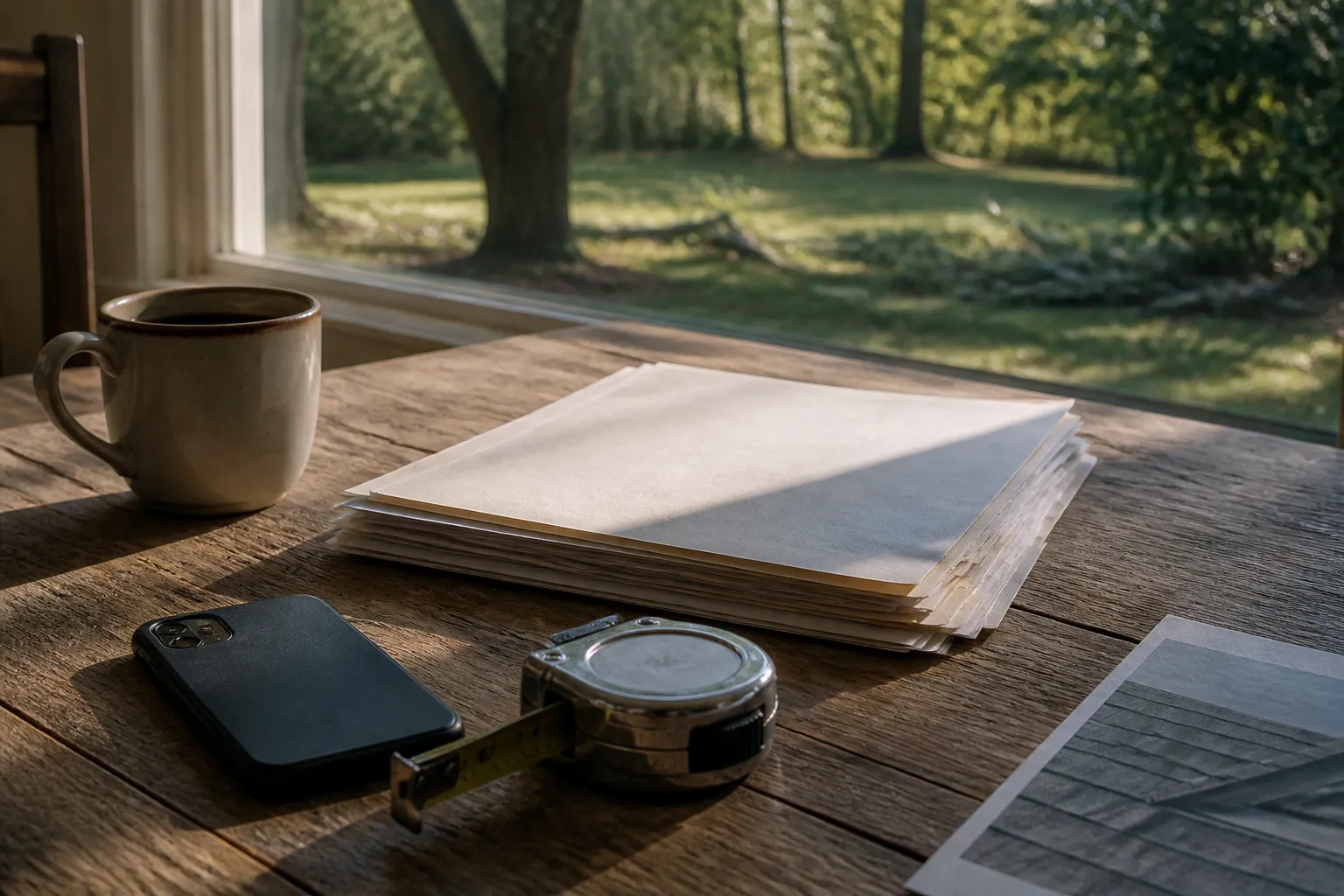
Verify before you sign. Ask for the company's legal name, license number, and proof of liability insurance and workers' compensation coverage. Your state contractor licensing board or consumer protection office can usually tell you whether a license is active and whether complaints are on file. Rules differ by state and by type of work, so look up the ones where your property sits.
Collect more than one written estimate and compare them line by line. A solid contract names the work, the materials, the timeline, the total price, the payment schedule and how changes get handled. Read it. Keep a copy of everything.
Pay in a way that leaves a trail. Skip cash, gift cards and wire transfers. A credit card or other traceable method gives you more room to dispute a charge later. Ask who pulls the permits. Unpermitted work can cause trouble with insurance and with a future sale.
Handling insurance and documentation
Before anyone lifts a hammer, photograph and video the damage with dates. Save receipts, texts, emails and anything you signed. If a job goes sideways, that folder is your memory.
Call your insurer yourself and ask what your policy covers and how claims work. You can generally choose your own contractor. Be cautious of anyone who wants to file the claim for you or hands you papers to sign unread. A licensed insurance professional or your state insurance department can answer questions about your situation.
Costs vary widely by region, by state, by the damage and by the type of work. A small tarp job and a full roof replacement live in different universes, so no single national price is worth quoting. Use several written estimates from licensed businesses instead. If one number is far below the rest, treat it as a question, not a bargain.
Reporting a suspected scam
If you paid for work that never happened, move quickly. Report the business to your state attorney general's consumer protection office, your state contractor licensing board, and the FTC at ReportFraud.ftc.gov. Reports help authorities spot patterns, and they may spare a neighbor.
If you paid by credit card, call the issuer and ask about disputing the charge. If you paid by check or bank transfer, call your bank right away. What can be recovered depends on how you paid and what happened, so do not wait.
FEMA also publishes a fact sheet on avoiding fraud after a disaster, and the FTC has a short alert with four ways to avoid post-disaster scams. This article is general information, not legal, financial or insurance advice. A licensed professional or your state agency can speak to your specific case.
One question to ask every contractor before you shake hands: "Can you show me your license number and proof of insurance right now, so I can check them with the state?" A real one will say yes before you finish the sentence.
Sources
Still have a question?
Related guides
-

Upgrading to 200 Amps Without the Surprise Bill
Panel costs are only part of the story, so here is what a 200 amp upgrade typically runs, what can get added on, and what to ask before you sign.By Neil Ostrander
-

Tank or Tankless? How to Compare Water Heater Bids on Equal Terms
Learn how tank and tankless units differ, and which details a written plumber's quote should spell out so three bids can be compared fairly. By Renata Okafor
-

Find the Water First: A Practical Guide to Deciding on Mold Testing and Cleanup
Before anyone runs a sample or quotes a job, the moisture source and the size of the visible patch settle most of the decision. By Gideon Aldaine